 English
 French
 German
 Italian
 Spanish
 Portuguese
 Japanese
 Korean
 Chinese
 Arabic

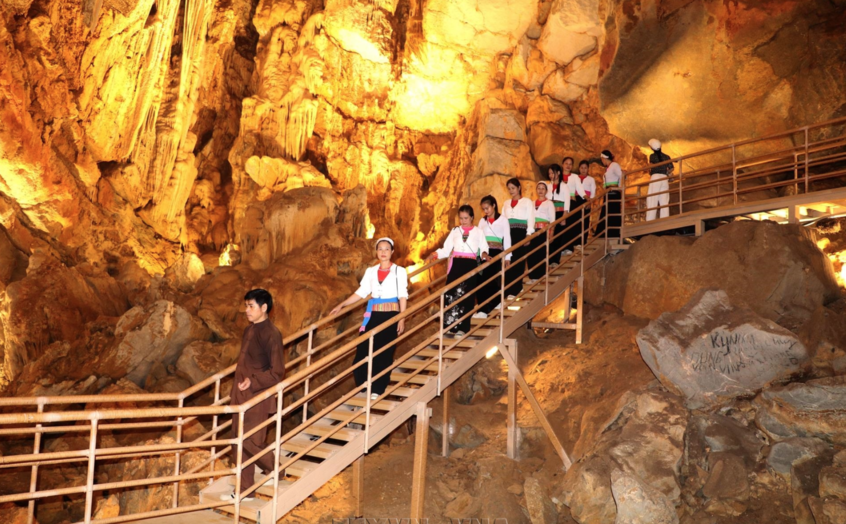
Cultural tourism in Vietnam is moving beyond traditional sightseeing as destinations introduce experiences that connect visitors with history through archaeological discoveries and guided interpretation. In October 2026, Ninh Binh introduced a new archaeological tourism experience at Hang Boi Cave within the Thung Ui Cultural Tourism Area. The site preserves evidence of human habitation dating back more than 12,000 years, offering a different perspective on the UNESCO-listed Trang An landscape.
For international travel agents, this development creates an opportunity to diversify existing Ninh Binh programmes, attract culturally motivated travellers and build more distinctive heritage-focused itineraries.
Ninh Binh Expands Beyond Traditional Heritage Tourism
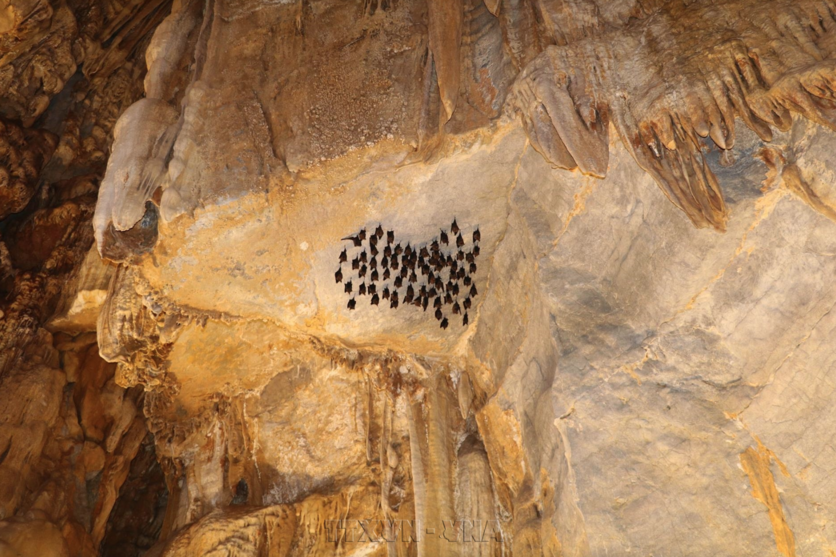
Ninh Binh is already recognised for its limestone landscapes, river excursions and historical landmarks. However, the opening of Hang Boi Cave introduces a new dimension: exploring prehistoric life through archaeological evidence. According to the Vietnam News Agency, Vietnamese and international researchers have studied Hang Boi since 2007, identifying traces of early human settlement, including mollusc shells that provide insights into prehistoric food gathering and environmental adaptation. Rather than simply observing historical structures, visitors can explore the relationship between ancient communities and their natural surroundings.
For travel professionals, this creates an opportunity to position Ninh Binh as a destination for both landscape appreciation and educational heritage experiences.
What the Latest Development Means for Travel Agents
The newly accessible archaeological site provides several concrete indicators of its tourism potential:
-
More than 12,000 years of human history: Creates a compelling historical narrative for specialist cultural programmes.
-
Archaeological research since 2007: Provides a scientific foundation for educational interpretation.
-
Approximately 60–70 metres of cave passages: Offers a focused archaeological experience rather than an extensive cave expedition.
-
Around one kilometre of walking with an ascent exceeding 100 metres: Makes physical suitability an important consideration when selecting clients.
These figures, reported by Vietnam News Agency in October 2026, highlight both the product’s differentiation potential and its operational requirements. Importantly, the development does not yet establish measurable international demand for archaeological tourism. Its commercial potential should therefore be evaluated through appropriate traveller targeting and pilot programmes.
Sources:
https://vietnamnews.vn/life-style/1802263/archaeological-sites-bring-history-to-life-captivating-visitors-and-researchers.html
https://en.vietnamplus.vn/ninh-binh-awakens-archaeological-heritage-through-new-tourism-product-post353683.vnp
https://vietnam.vnanet.vn/english/long-form/ninh-binh-brings-archaeological-heritage-to-life-through-new-tourism-product-472229.html
Matching Archaeological Tourism With Traveller Demand
The Hang Boi experience may appeal particularly to three traveller segments.
- Cultural and heritage travellers: Clients interested in ancient civilisations, archaeology and local history can explore prehistoric settlement evidence alongside Hoa Lu’s later historical heritage.
- Educational and special-interest groups: University groups, cultural associations and archaeology enthusiasts may value expert interpretation and opportunities to understand archaeological research.
- Active cultural travellers: Visitors comfortable with walking and climbing can combine an outdoor experience with historical learning, creating a more substantial alternative to conventional sightseeing.
For agents, the commercial advantage lies in offering experiences selected around specific interests rather than adding attractions indiscriminately.
Operational Considerations for Travel Partners
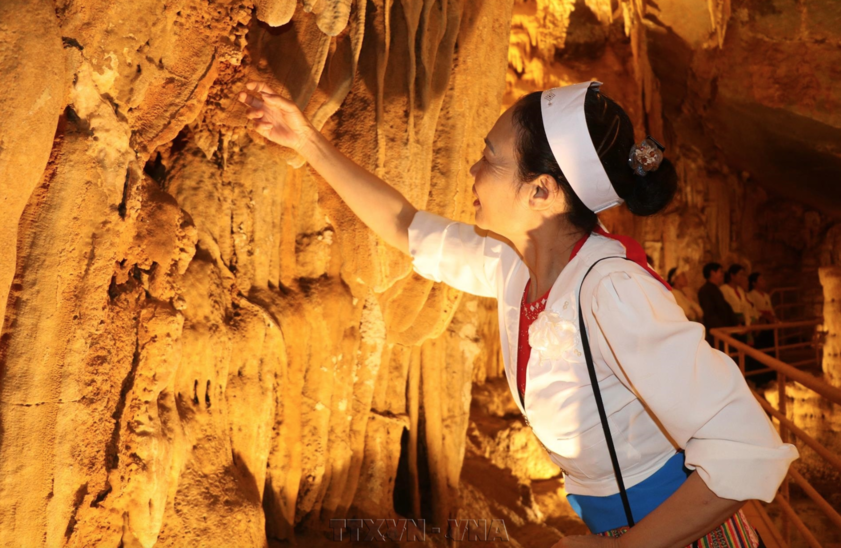
Archaeological tourism requires more careful planning than conventional sightseeing. The route to Hang Boi involves stone steps and a substantial ascent, making it unsuitable for some travellers with limited mobility. Agents should confirm current opening arrangements, visitor capacity, weather conditions, safety procedures and access restrictions before including the cave in a confirmed itinerary.
Ninh Binh archaeological tourism offers international travel agents another way to differentiate Vietnam’s established heritage itineraries. Hang Boi’s value lies not simply in introducing another attraction, but in connecting prehistoric history, landscape exploration and meaningful interpretation.
For travel companies, successful product development will depend on matching these experiences with suitable traveller interests, realistic itineraries and responsible heritage management. As Ninh Binh diversifies its tourism offering, well-designed archaeological experiences could strengthen the destination’s appeal within specialised cultural travel programmes.
#AnvuitTravel #NinhBinhTourism #ArchaeologicalTourism #VietnamHeritage #B2BTravel
🔗 Let’s connect and grow together! Visit us at
Headquarter / Sales Hub: 5th Floor, H&N Building, 329-331 Hoang Quoc Viet Street, Cau Giay District, Hanoi, Vietnam.
Operation Offices: Vietnam (Hanoi, Danang, Ho Chi Minh), Laos (Vientiane), Cambodia (Siem Reap), Myanmar (Yangon), Thailand (Bangkok)
Email: info@anvuitravel.com
Cellphone No. (Hotline): +84 912 683 908 (Whatsapp, Telegram, Viber)
Fanpage: https://www.facebook.com/anvuitravel84/
Tiktok: https://www.tiktok.com/@anvuitravel
Instagram: https://www.instagram.com/anvuitravel/
Linkin: https://www.linkedin.com/company/anvui-travel/about/?viewAsMember=true
Web: https://anvuitravel.com
✨ Together, let’s make travel extraordinary! ✈️