 Korean
  English
  French
  German
  Italian
  Spanish
  Portuguese
  Japanese
  Chinese
  Arabic
Summary:
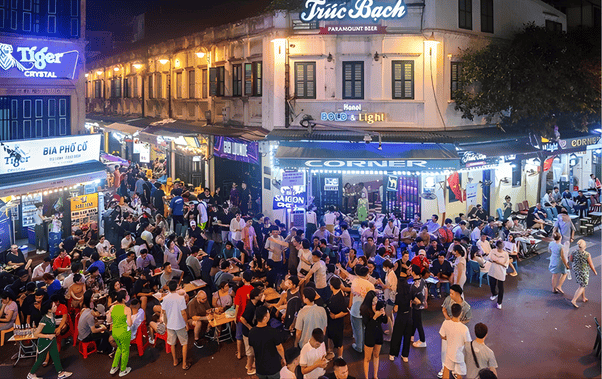
Event tourism is emerging as a key driver of growth in Vietnam’s travel industry in 2026, as travelers increasingly plan trips around festivals, nightlife, and cultural experiences rather than traditional sightseeing. Supported by strong growth in international arrivals and rising tourism revenue, this shift reflects a broader change toward experience-led travel and more intentional planning behavior. A diverse, year-round event calendar—from major celebrations like the Tet Festival to recurring attractions such as the Hoi An Lantern Festival—is helping sustain demand while reducing seasonality. At the same time, event-driven travel is increasing visitor spending and reshaping how destinations like Hoi An are experienced. However, challenges such as overcrowding and uneven regional distribution highlight the need for more balanced and sustainable development as the sector continues to expand.
How Is Event Tourism Reshaping Vietnam’s Travel Market in 2026?
In 2026, Vietnam is witnessing a strong rise in event-led travel, as festivals, nightlife, and cultural experiences increasingly shape how tourists plan their trips. This shift reflects a broader transformation in global travel behavior, where experiences are becoming central to destination choice.
Vietnam’s tourism industry is therefore evolving beyond traditional sightseeing models, with experience-focused travel emerging as a key growth driver. Events are no longer simply complementary attractions but are actively influencing travel timing, destination selection, and spending patterns. Several reports indicate that destinations hosting major festivals experience noticeable spikes in accommodation occupancy, often exceeding 80–90% during peak event periods.
According to the Vietnam National Authority of Tourism, Vietnam welcomed approximately 17.6 million international visitors in 2024, representing a strong year-on-year increase of around 40 percent. This places Vietnam among the fastest-recovering destinations in Southeast Asia, alongside regional leaders such as Thailand and Indonesia. The country is projected to receive between 18 and 20 million visitors annually in the 2025–2026 period.
This growth is also reflected in tourism revenue, which has shown strong recovery and expansion, particularly in categories such as dining, entertainment, and event-related activities.
More importantly, the structure of demand is shifting. Travelers are increasingly planning their trips around time-specific experiences, including festivals, nightlife, and cultural events, rather than relying solely on traditional sightseeing. This trend aligns with broader patterns across Southeast Asia, where event-driven and time-specific travel is becoming dominant.
While exact figures vary by destination, multiple travel reports indicate that visitor volumes and accommodation occupancy rates increase significantly during major festivals and peak event periods. This reinforces the role of events as primary drivers of tourism demand.
Sources:
https://vietnamtourism.gov.vn/en
https://vietnam.travel/media-industry
https://en.vietnamplus.vn/travel/
https://e.vnexpress.net/news/travel
How Does Vietnam’s Event Calendar Support Year-Round Travel Demand?
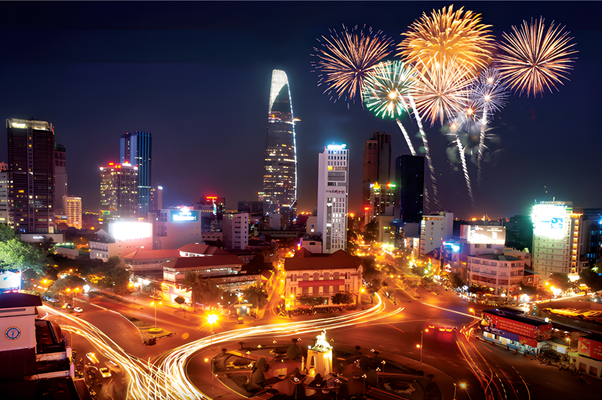
Vietnam’s diverse event calendar plays a crucial role in sustaining tourism activity throughout the year. Instead of concentrating demand into a limited number of peak seasons, the country benefits from a continuous flow of cultural and entertainment events that stimulate travel across different periods.
Major events such as the Tet Festival drive peak demand early in the year, while recurring attractions like the Hoi An Lantern Festival sustain monthly visitor flows, complemented by coastal festivals that diversify travel patterns during the summer.
Monthly recurring events such as the Hoi An Lantern Festival contribute to sustained visitor flows, with peak nights often seeing significantly higher foot traffic compared to regular weekdays.
At the same time, nightlife hubs such as Ta Hien Street provide continuous experiential value, maintaining daily tourism engagement regardless of season.
This layered structure helps reduce seasonality and supports a more balanced distribution of visitor flows across the year, strengthening Vietnam’s position as a year-round destination.
Sources:
https://vietnam.travel/media-industry
https://vietnamtourism.gov.vn/en
How Do Events Directly Impact Tourism Performance?
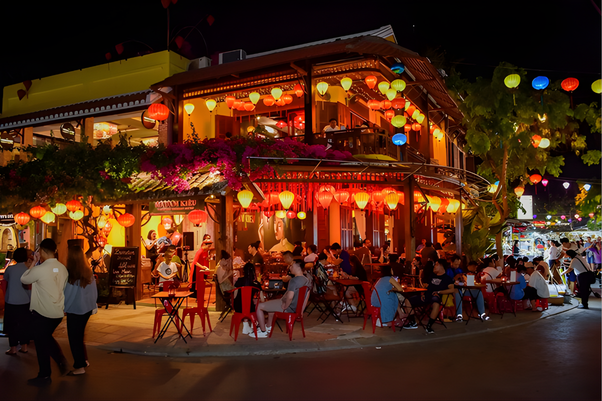
The influence of events on tourism performance can be clearly observed in destinations such as Hoi An. The Hoi An Lantern Festival illustrates how recurring cultural events can significantly affect visitor behavior and local economic activity.
During festival nights, visitor numbers increase noticeably compared to regular days, resulting in higher hotel occupancy rates and more vibrant evening economies. Local businesses in tourism-heavy areas often report revenue spikes during major cultural events, particularly in evening economy sectors. Businesses in food, retail, and experiential services benefit directly from this surge in demand.
Beyond short-term volume increases, events also reshape how destinations are experienced. Rather than being passively visited, places like Hoi An become time-sensitive destinations, encouraging travelers to plan their trips around specific dates and, in many cases, extend their stays.
This dynamic demonstrates how events can convert standard tourism demand into higher-value, experience-oriented consumption patterns.
Sources:
https://vietnamnews.vn/travel
https://en.vietnamplus.vn/travel/
How Is Traveler Behavior Changing in the Event-Driven Era?
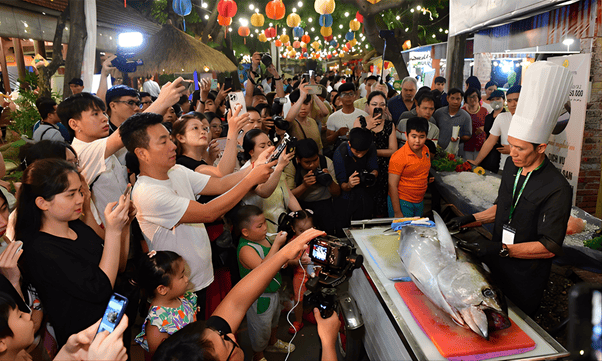
Traveler behavior is undergoing a significant transformation, driven by evolving expectations and the growing influence of digital platforms. Increasingly, travelers prioritize immersive, social, and time-specific experiences over traditional destination-based travel.
Trips are now frequently planned around events and experiences, with travelers showing a greater willingness to spend on activities that provide cultural depth and social engagement. Several key behavioral shifts can be observed:
- Trips are planned around events and time-specific experiences
- Higher willingness to spend on activities and local experiences
- Strong influence from social media and real-time content
Studies on regional tourism behavior show that travelers in Southeast Asia are increasingly prioritizing experiences over traditional sightseeing, with a growing share of trip budgets allocated to activities, dining, and entertainment.
Social media further amplifies this trend by increasing the visibility of events and creating a sense of urgency around participation.
As a result, travel patterns are becoming more intentional and experience-oriented. Visitors may travel for shorter durations, but they engage more intensively with destinations, particularly through festivals, nightlife, and community-based activities.
This reflects a broader shift toward more deliberate and experience-focused travel planning, where value is defined not only by location but by the quality of experiences offered.
Sources:
https://e.vnexpress.net/news/travel
https://en.vietnamplus.vn/travel/
What Challenges Could Affect Event Tourism Growth?
Despite strong growth, event-based tourism in Vietnam may face several challenges that could affect its long-term sustainability. During major festivals and peak periods, overcrowding can place pressure on infrastructure, accommodation capacity, and service quality, potentially impacting visitor experience.
In addition, the concentration of major events in a limited number of destinations may lead to uneven distribution of tourism benefits, with secondary cities receiving less exposure and demand.
Managing these challenges will require better planning, improved infrastructure, and more balanced event development across regions. Ensuring that growth is both scalable and sustainable will be essential to maintaining Vietnam’s competitiveness in the regional tourism market.
Final Insight
Vietnam is no longer just a destination – it is becoming a dynamic, event-driven ecosystem shaping how, when, and why people travel. It is evolving into a dynamic, experience-driven ecosystem, where events play a central role in shaping how, when, and why people travel.
In 2026, event-based tourism is not just an emerging trend. It represents a fundamental shift in demand, positioning Vietnam as one of the most adaptive and experience-oriented markets in the regional tourism landscape.
🔗 Let’s connect and grow together! Visit us at
Headquarter / Sales Hub: Room 702, H&N Building, 329-331 Hoang Quoc Viet Street, Cau Giay District, Hanoi, Vietnam.
운영 사무소: Vietnam (Hanoi, Danang, Ho Chi Minh), Laos (Vientiane), Cambodia (Siem Reap), Myanmar (Yangon), Thailand (Bangkok)
이메일: info@anvuitravel.com
Cellphone No. (Hotline): +84 912 683 908 (Whatsapp, Telegram, Viber)
Fanpage: https://www.facebook.com/anvuitravel84/
Tiktok: https://www.tiktok.com/@anvuitravel
Instagram: https://www.instagram.com/anvuitravel/
Linkin: https://www.linkedin.com/company/anvui-travel/about/?viewAsMember=true
Web: https://anvuitravel.com
✨ Together, let’s make travel extraordinary! ✈️
Hashtag: #anvuitravel #traveltovietnam #tourtovietnam #govietnam #vietnamtour