 Korean
  English
  French
  German
  Italian
  Spanish
  Portuguese
  Japanese
  Chinese
  Arabic

SUMMARY
Vietnam is rapidly becoming one of the top destinations for first-time travelers, thanks to its affordability, diverse experiences, and improving accessibility. However, the country can still feel challenging due to long travel distances, busy urban traffic, and differences in local systems.
To ensure a smooth experience, travelers should focus on planning by region rather than trying to cover the entire country, while also preparing essential elements such as visas, cash, and connectivity in advance. Adapting to local travel habits and making practical day-to-day decisions can significantly improve comfort and confidence.
Ultimately, the key to enjoying Vietnam is not visiting more places, but traveling smarter—with realistic expectations, better planning, and a well-paced itinerary.
Why Is Vietnam Becoming a Popular Destination for First-Time Travelers?
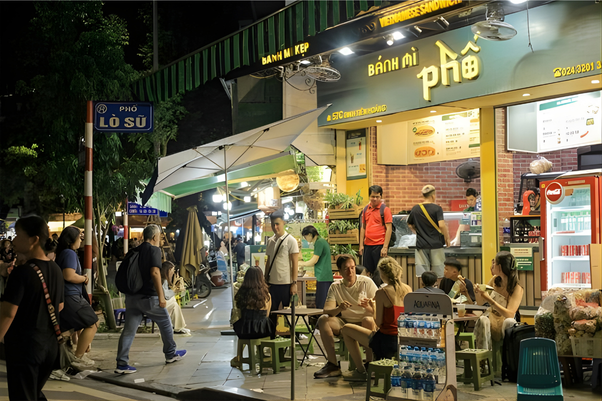
Vietnam has rapidly evolved into one of Asia’s most attractive destinations for first-time travelers. After welcoming approximately 17.6 million international visitors in 2024, the country is projected to reach 18–20 million visitors in 2025, reflecting strong recovery and sustained growth momentum heading into 2026.
What makes Vietnam stand out is the sheer variety of experiences within one destination. Travelers can explore historic cities like Hanoi, cruise through natural wonders such as Ha Long Bay, relax on tropical beaches, and experience one of the world’s most vibrant street food cultures—all within a single trip.
At the same time, Vietnam offers a strong cost-to-experience advantage. Compared to destinations like Japan or Singapore, travelers can enjoy high-quality accommodation, food, and activities at significantly lower prices, making it ideal for first-time visitors to Asia.
Improved visa policies and expanding international flight routes have also made Vietnam more accessible, reducing barriers for new travelers.
Sources:
- https://e.vnexpress.net/news/travel/vietnam-receives-17-6-million-foreign-tourists-in-2024-half-of-thailand-s-total-4836057.html
- https://www.unwto.org/tourism-data
What Challenges Do First-Time Travelers Commonly Face in Vietnam?
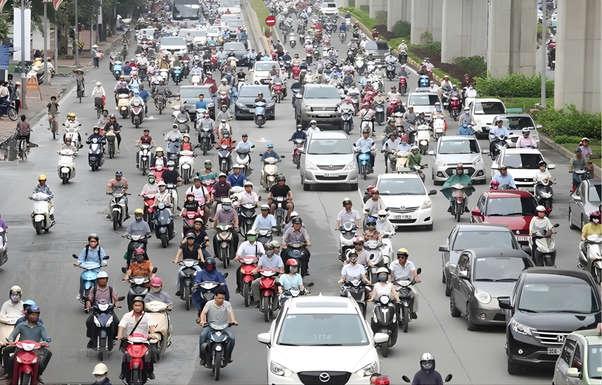
Vietnam offers incredible experiences, but it can also feel challenging for first-time visitors due to differences in geography, infrastructure, and local systems.
One of the biggest challenges is distance. The country stretches over 1,600 km from north to south, and many travelers underestimate travel time between regions. Even short domestic flights can take half a day when including transfers, check-in, and waiting time.
Urban traffic is another common challenge. In cities like Hanoi and Ho Chi Minh City, traffic flows continuously and can feel chaotic at first, especially during peak hours (7–9 AM and 5–7 PM). However, understanding how locals move—such as crossing streets at a steady pace—quickly makes the environment easier to navigate.
Payment habits can also create friction. While modern establishments accept cards, cash remains the primary payment method in many everyday situations, including street food, taxis, and local markets.
Additionally, many first-time travelers try to visit too many destinations in a short period, which often leads to exhaustion and reduces the overall quality of the trip.
Sources:
What Is the Best Time to Visit Vietnam?
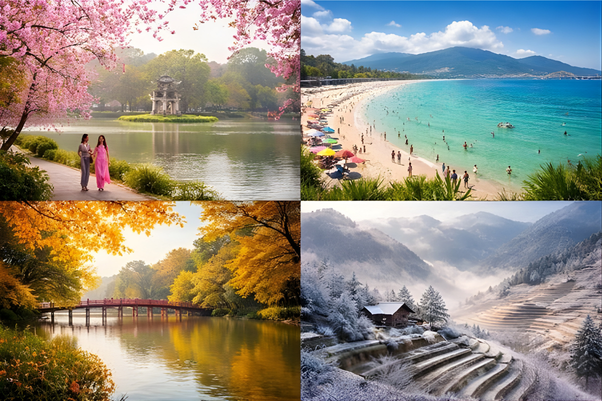
Vietnam’s climate varies significantly by region, making timing an important factor in trip planning.
- The North (Hanoi, Ha Long Bay) is generally best from October to April, with cooler and drier weather
- The Central region (Da Nang, Hoi An) experiences heavy rainfall between September and November
- The South (Ho Chi Minh City, Phu Quoc) remains warm year-round, with a rainy season from May to October
For first-time visitors, choosing the right time based on the region they plan to visit can greatly improve comfort and overall experience. Checking weather conditions before booking is strongly recommended.
Sources:
What Are the Most Effective Travel Tips for First-Time Visitors to Vietnam?
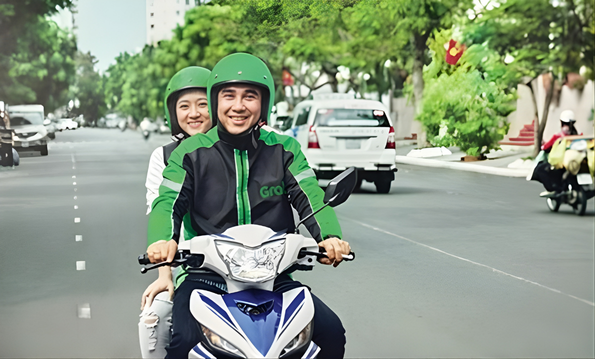
The most effective travel tips are not about doing more—they are about making smarter decisions.
The single most important strategy is to plan by region rather than trying to cover the entire country. Vietnam’s North, Central, and South each offer complete travel experiences, and focusing on one region allows travelers to spend more time exploring instead of moving.
For example, a Hanoi–Ho Chi Minh City flight takes around 2 hours, but the total travel process can easily take half a day. Overland journeys can exceed 30 hours, making them impractical for short trips.
Preparation before arrival is equally important. Applying for an e-visa at least 5–7 days in advance, preparing local currency, and arranging mobile connectivity can significantly reduce travel friction.
On the ground, practical habits such as using ride-hailing apps instead of informal taxis and adapting to local traffic behavior can make everyday travel smoother and more predictable.
Sources:
Quick Travel Essentials for First-Time Visitors
- Plan 7–10 days per region instead of rushing across the country
- Always carry cash for daily transactions
- Avoid peak traffic hours in major cities
- Use ride-hailing apps for safer and more transparent pricing
- Book key transport (flights, trains) in advance
These simple principles can significantly improve both efficiency and comfort throughout the trip.
What Small Local Tips Can Make a Big Difference?
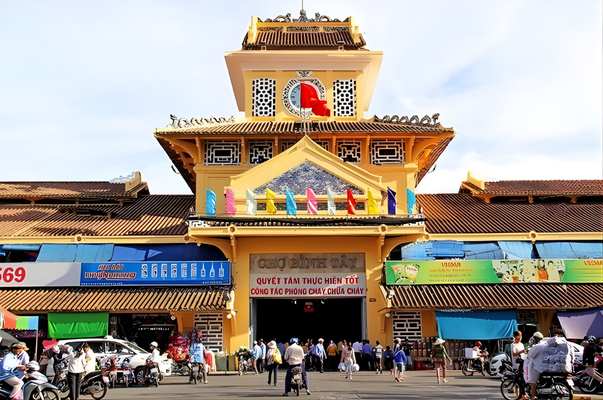
Small details often define the overall travel experience in Vietnam.
Carrying small denominations of cash (100,000–500,000 VND) makes daily transactions easier. Avoiding rush hours can save time and reduce stress when moving around cities.
Connectivity is also essential. Buying a SIM card at the airport ensures immediate access to maps, transportation apps, and communication tools. Mobile data is relatively affordable, often costing under $10 for several gigabytes.
Food choices matter as well. Choosing busy street food stalls with high turnover is generally a safer option. When using traditional taxis, agreeing on the price beforehand helps avoid misunderstandings.
Navigation apps are reliable, but travelers should always allow extra time for traffic delays in urban areas.
Sources:
- https://www.lonelyplanet.com/vietnam
- https://www.tripadvisor.com/Tourism-g293921-Vietnam-Vacations.html
What Should First-Time Travelers Avoid When Visiting Vietnam?
Avoiding common mistakes is key to having a smooth trip.
One of the most frequent issues is overloading the itinerary. Trying to visit multiple regions within a 5–7 day trip often results in excessive travel time and limited meaningful experiences.
Another mistake is assuming that all services are standardized. While Vietnam is developing rapidly, many local businesses still rely on cash and direct communication.
Travelers should also avoid unofficial transportation services, particularly in busy tourist areas, where pricing may not always be transparent.
Being aware of these issues helps travelers focus on enjoying their trip rather than solving avoidable problems.
Sources:
What Should Travelers Prepare Before Arriving in Vietnam?
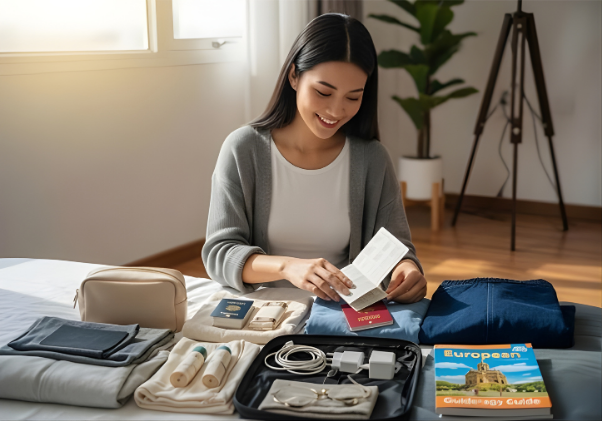
Preparation is one of the most important factors for a successful trip.
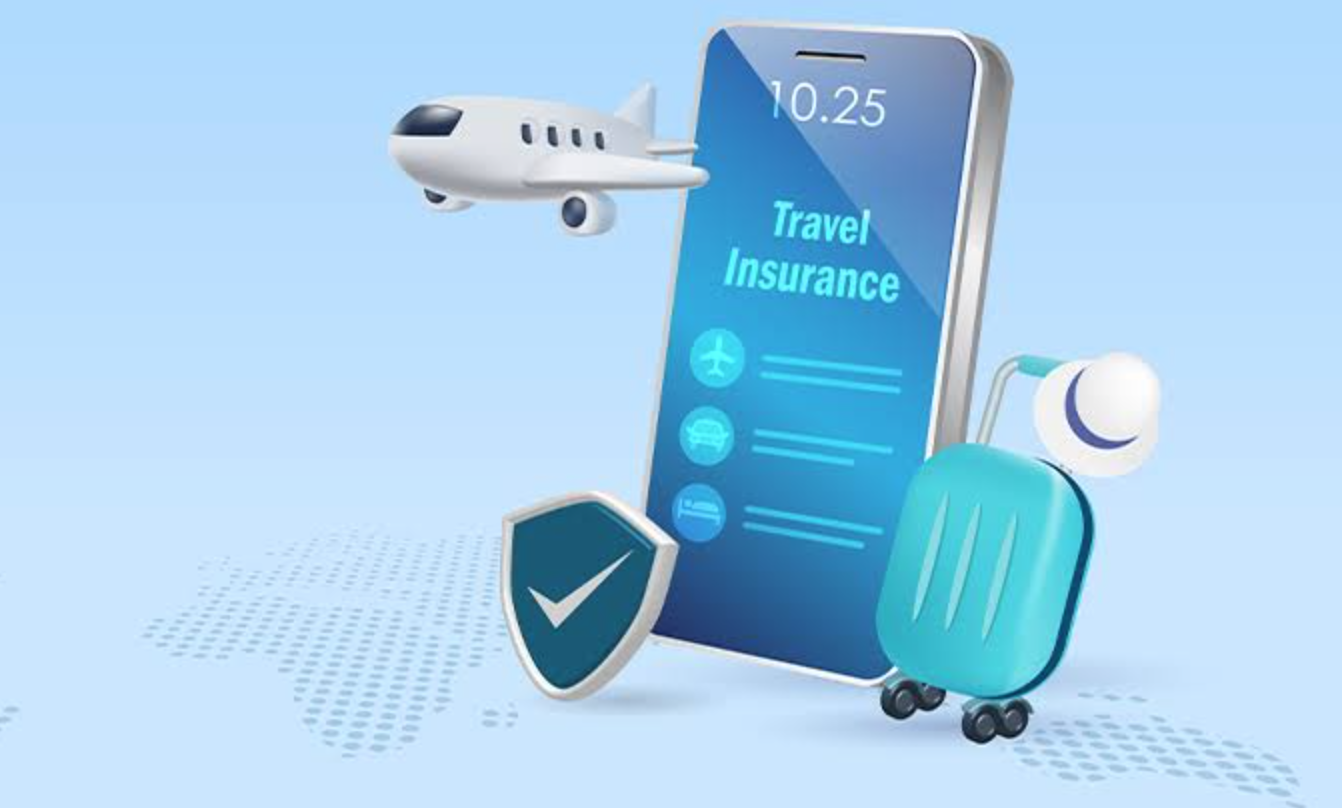
Vietnam’s e-visa system typically processes applications within 3–5 working days, but applying earlier is recommended. Travel insurance provides additional protection and peace of mind.
Financial preparation is equally important. Travelers should bring both cash and cards, and notify their banks before traveling to avoid transaction issues.
A practical checklist includes visa approval, travel insurance, local currency, SIM/eSIM setup, accommodation bookings, and essential travel apps.
With these preparations in place, travelers can arrive with confidence and focus on the experience.
Sources:
How Is First-Time Travel Demand Changing the Way Travel Services Are Designed?
The rise of first-time travelers is reshaping the travel industry toward simplicity and experience.
Travelers increasingly prefer structured itineraries that reduce planning complexity and uncertainty. At the same time, spending is shifting toward experiences such as food tours, cultural activities, and local exploration.
For travelers, this means easier access to well-designed travel options. For service providers, it highlights the importance of delivering seamless, experience-focused journeys.
Sources:
What Is the Key Insight About First-Time Travel in Vietnam?
Vietnam offers everything from historic cities and street food culture to beaches and natural landscapes—but without the right approach, that variety can become overwhelming.
The key insight is simple: travel smarter, not more.
For most first-time visitors, spending 7–10 days in one region provides a far more enjoyable and immersive experience than trying to cover the entire country. Slowing down allows for deeper exploration, better rest, and more meaningful connections with local culture.
With the right preparation, Vietnam can become one of the most rewarding destinations for first-time travelers in Asia.
Sources:
🔗 Let’s connect and grow together! Visit us at
Headquarter / Sales Hub: Room 702, H&N Building, 329-331 Hoang Quoc Viet Street, Cau Giay District, Hanoi, Vietnam.
운영 사무소: Vietnam (Hanoi, Danang, Ho Chi Minh), Laos (Vientiane), Cambodia (Siem Reap), Myanmar (Yangon), Thailand (Bangkok)
이메일: info@anvuitravel.com
Cellphone No. (Hotline): +84 912 683 908 (Whatsapp, Telegram, Viber)
Fanpage: https://www.facebook.com/anvuitravel84/
Tiktok: https://www.tiktok.com/@anvuitravel
Instagram: https://www.instagram.com/anvuitravel/
Linkin: https://www.linkedin.com/company/anvui-travel/about/?viewAsMember=true
Web: https://anvuitravel.com
✨ Together, let’s make travel extraordinary! ✈️
Hashtag: #anvuitravel #traveltovietnam #tourtovietnam #govietnam #vietnamtour