 Italian
  English
  French
  German
  Spanish
  Portuguese
  Japanese
  Korean
  Chinese
  Arabic
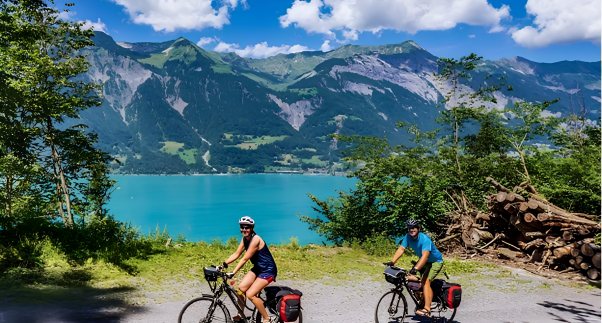
HANOI, Vietnam – Across Europe, travelers are increasingly moving away from fast-paced sightseeing itineraries in favor of journeys centered around movement, immersion, and personal discovery. Instead of focusing mainly on famous landmarks and tightly scheduled tours, many travelers now prefer experiences that allow them to interact more directly with landscapes, local communities, and regional culture.
As a result, active travel including cycling, hiking, trekking, and multi-day overland exploration is emerging as one of the fastest-growing segments within global tourism.
For many travelers, the appeal lies not only in physical activity itself, but in the ability to experience destinations more gradually and meaningfully. Increasingly, travel is shifting away from simply “visiting places” toward “experiencing journeys” where landscapes, cultures, and lifestyles are observed as they naturally evolve along the way.
What is driving the shift away from traditional sightseeing holidays?
Traditional sightseeing has long been structured around efficiency: visiting multiple attractions, cities, and landmarks within a limited timeframe. However, this model is increasingly seen as surface-level and time-compressed.
Across Europe, travelers are showing stronger interest in slower, more participatory forms of exploration that allow deeper engagement with everyday local life. Instead of maximizing the number of destinations, the focus is shifting toward cultural depth, flexibility, and authenticity.
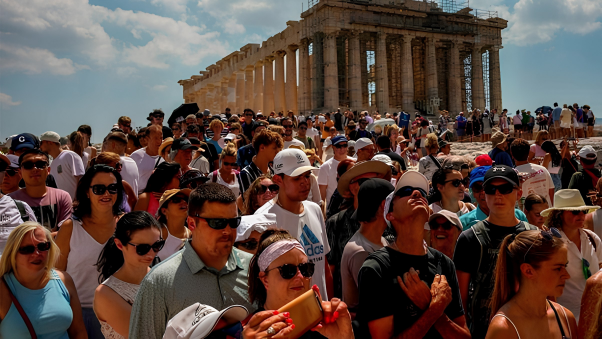
According to reporting on European travel behavior trends, travelers are increasingly prioritizing slower, experience-driven journeys and avoiding overcrowded tourism hotspots in favor of more immersive alternatives.
At the same time, many travelers are redefining what makes a journey memorable. Rather than collecting landmarks or photographs, they are prioritizing emotional connection and lived experience.
For many, travel value is no longer measured by how many places are visited, but by how deeply each place is experienced.
Sources:
https://www.euronews.com/travel/2025/02/11/destination-europe-summit-tackling-overtourism-building-a-sustainable-tourism-economy
https://www.cntraveler.com/story/bright-ideas-in-travel-2025
What is fueling the rapid rise of active travel worldwide?
The growth of active travel is closely linked to broader shifts in global tourism behavior. Travelers are increasingly seeking experiences that combine physical activity, wellness, sustainability, and cultural immersion.
According to the Adventure Travel Trade Association, adventure travel continues to expand globally as travelers prioritize experience-led tourism over traditional sightseeing formats.
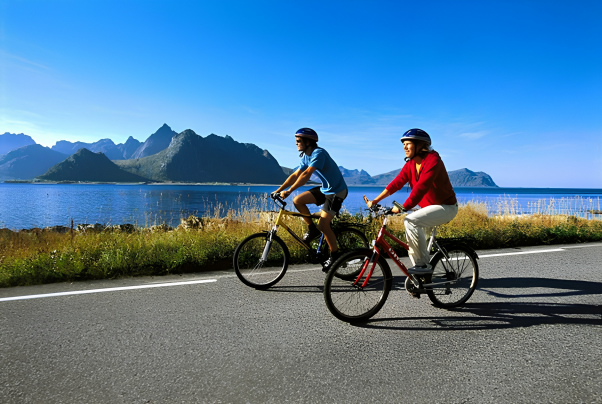
Unlike conventional tourism, active travel allows continuous engagement with destinations. Rather than moving quickly between attractions, travelers experience landscapes gradually as part of the journey itself.
This trend is especially strong among European travelers, where outdoor lifestyles, cycling culture, and wellness-oriented habits are already well established.
The growth of active travel is also tied to sustainability concerns. Travelers are showing increasing interest in tourism models that distribute economic benefits more evenly across local communities rather than concentrating them in major urban centers.
Cycling tourism in particular is widely recognized as a high-value, low-impact form of travel within Europe.
Sources:
https://learn.adventuretravel.biz/research/adventure-travel-market-sizing-2026-europe
https://www.travelpulse.com/news/features/attas-2025-report-reveals-new-trends-and-growth-in-adventure-travel
https://ecf.com/en
How has cycling evolved into a major European travel trend?
Cycling tourism has moved far beyond a niche activity and is now a core part of Europe’s travel economy.
Recent reporting highlights that cycling tourism generates billions of euros annually across Europe and continues to expand through infrastructure investment and cross-border cycling networks.
Governments and tourism bodies are continuing to invest heavily in cycling infrastructure, including dedicated routes and systems such as EuroVelo, which connects long-distance cycling corridors across multiple countries.
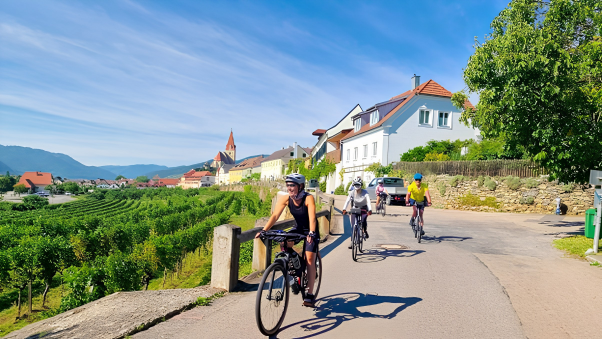
What makes cycling unique is its ability to combine movement with immersion. Travelers move directly through rural landscapes, small towns, and coastal regions that are often bypassed by conventional tourism routes, creating a stronger sense of place and continuity.
Long-distance cycling journeys function like narrative experiences, where changing scenery, culture, and geography unfold progressively over time.
This explains growing interest in multi-day cycling routes across different regions, where travelers experience shifting environments within a single continuous journey.
Cycling also offers a balance between challenge and accessibility, making it suitable for both experienced and casual travelers.
Sources:
https://www.euronews.com/travel/2025/06/03/beyond-the-peloton-cycling-tourism-is-changing-how-we-see-and-spend-in-europe
https://pro.eurovelo.com/news/2026-04-16_cycling-on-eurovelo-grows-in-2025-with-renewed-momentum-and-seasonal-spread
https://www.ecf.com/en/news/cycling-tourism-trends-to-watch-in-2025
What makes slower, immersive travel more appealing today?

One of the most significant shifts in global tourism is the rise of “slow travel.” Instead of maximizing destinations within a short period, travelers are increasingly prioritizing depth over distance.
European tourism reports highlight growing demand for longer stays, outdoor experiences, and culturally immersive journeys as travelers move away from high-intensity itineraries.
Active travel naturally supports this shift by encouraging continuous engagement with the environment rather than isolated stops.
In long-distance journeys, the route itself becomes part of the experience rather than just transportation between destinations. Travelers observe gradual changes in geography, architecture, and culture over time.
Some of the most memorable experiences often come from simple moments: riding through rural areas in the early morning, passing through small villages, or stopping in communities rarely included in conventional tourism itineraries.
Sources:
https://www.euronews.com/2025/02/11/destination-europe-summit-tackling-overtourism-building-a-sustainable-tourism-economy
https://www.cntraveler.com/story/bright-ideas-in-travel-2025
What explains Asia’s growing appeal for European active travelers?
For many European travelers, Asia offers a stronger sense of discovery compared with more familiar regional travel experiences.
Destinations such as Vietnam, Thailand, and Japan are increasingly recognized for long-distance active travel opportunities that combine cultural diversity with dramatic landscape variation.
Asia also offers affordability, accessibility, and environmental diversity. Travelers can experience significant changes in culture, climate, food, and architecture within relatively short distances.
Compared with traditional European routes, many Asian destinations allow for more extensive overland exploration at lower cost, making long-distance active travel more accessible.
Sources:
https://learn.adventuretravel.biz/research/adventure-travel-market-sizing-2026-europe
https://www.travelpulse.com/news/features/attas-2025-report-reveals-new-trends-and-growth-in-adventure-travel
What makes Vietnam increasingly relevant in the active travel landscape?
Vietnam is gaining attention as an active travel destination due to its geographic diversity and strong potential for long-distance overland journeys.
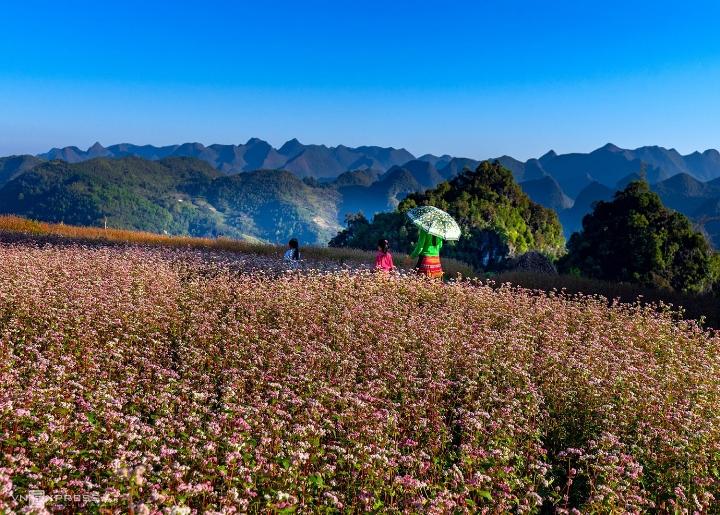
Travelers can move across clearly distinct regions within a single continuous route: from the agricultural landscapes of the north, through central heritage regions, to coastal roads and tropical southern environments.
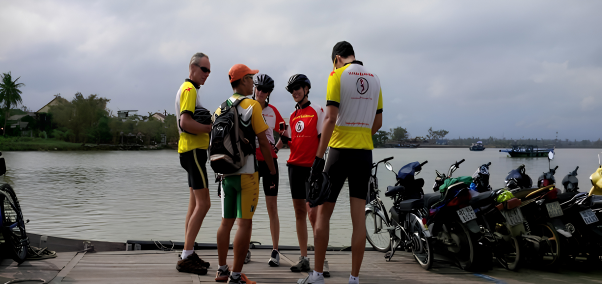
This variation creates a journey that evolves continuously rather than repeating similar scenery. Within this context, operators such as Anvui Travel are developing long-distance cycling experiences across Vietnam that align with the growing demand for immersive, route-based travel. These journeys are designed to reflect the broader shift toward active exploration, where travelers experience destinations as continuous narratives rather than isolated stops.
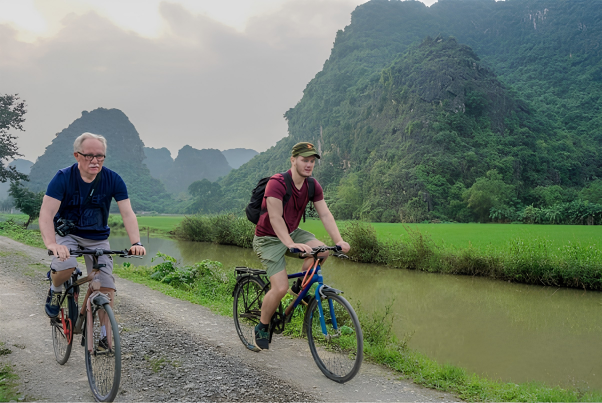
Vietnam’s coastline also provides long stretches suitable for cycling-based exploration, including rural fishing communities and less-developed tourism areas.
At the same time, Vietnam offers affordability and cultural depth that align well with current active travel preferences.
Sources:
https://www.adventuretravel.biz/
https://ecf.com/en/news/cycling-tourism-trends-to-watch-in-2025
How is technology transforming active travel experiences?
Technology is making active travel more accessible to a much wider range of travelers.
The rise of e-bikes has significantly lowered physical barriers, allowing more people to participate in long-distance journeys.
Digital tools such as GPS navigation, route planning apps, and fitness platforms have made active travel easier to organize and track.
Professional support systems, including logistics and guided operations, are also reducing complexity in multi-day travel experiences.
Sources:
https://www.travelpulse.com/news/features/attas-2025-report-reveals-new-trends-and-growth-in-adventure-travel
https://www.strava.com/press/articles/year-in-sport-trend-report-2025
What does this shift suggest about the future of global tourism?
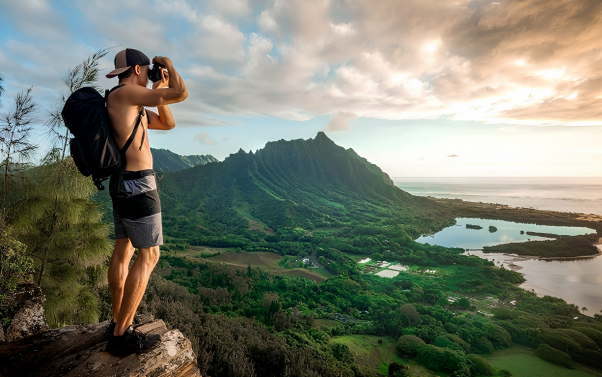
The rise of active travel reflects a broader transformation in how people define meaningful tourism.
Travelers are increasingly prioritizing participation over observation, depth over quantity, and experience over efficiency.
Active travel is no longer a niche category but is becoming a mainstream way of experiencing destinations through movement, connection, and gradual exploration.
Instead of measuring travel by the number of places visited, more travelers are now evaluating journeys by how deeply they engage with environments and communities.
Sources:
https://www.ecf.com/en/news/cycling-tourism-trends-to-watch-in-2025
🔗 Let’s connect and grow together! Visit us at
Headquarter / Sales Hub: Room 702, H&N Building, 329-331 Hoang Quoc Viet Street, Cau Giay District, Hanoi, Vietnam.
Uffici operativi: Vietnam (Hanoi, Danang, Ho Chi Minh), Laos (Vientiane), Cambodia (Siem Reap), Myanmar (Yangon), Thailand (Bangkok)
Email: info@anvuitravel.com
Cellphone No. (Hotline): +84 912 683 908 (Whatsapp, Telegram, Viber)
Fanpage: https://www.facebook.com/anvuitravel84/
Tiktok: https://www.tiktok.com/@anvuitravel
Instagram: https://www.instagram.com/anvuitravel/
Linkin: https://www.linkedin.com/company/anvui-travel/about/?viewAsMember=true
Web: https://anvuitravel.com
✨ Together, let’s make travel extraordinary! ✈️
Hashtag: #anvuitravel #traveltovietnam #tourtovietnam #govietnam