 English
  French
  German
  Italian
  Spanish
  Portuguese
  Japanese
  Korean
  Chinese
  Arabic
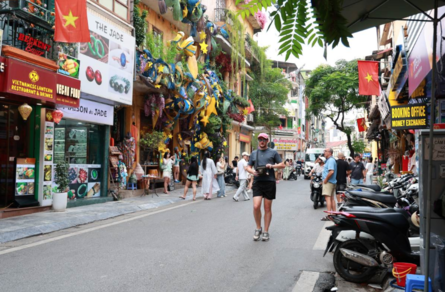
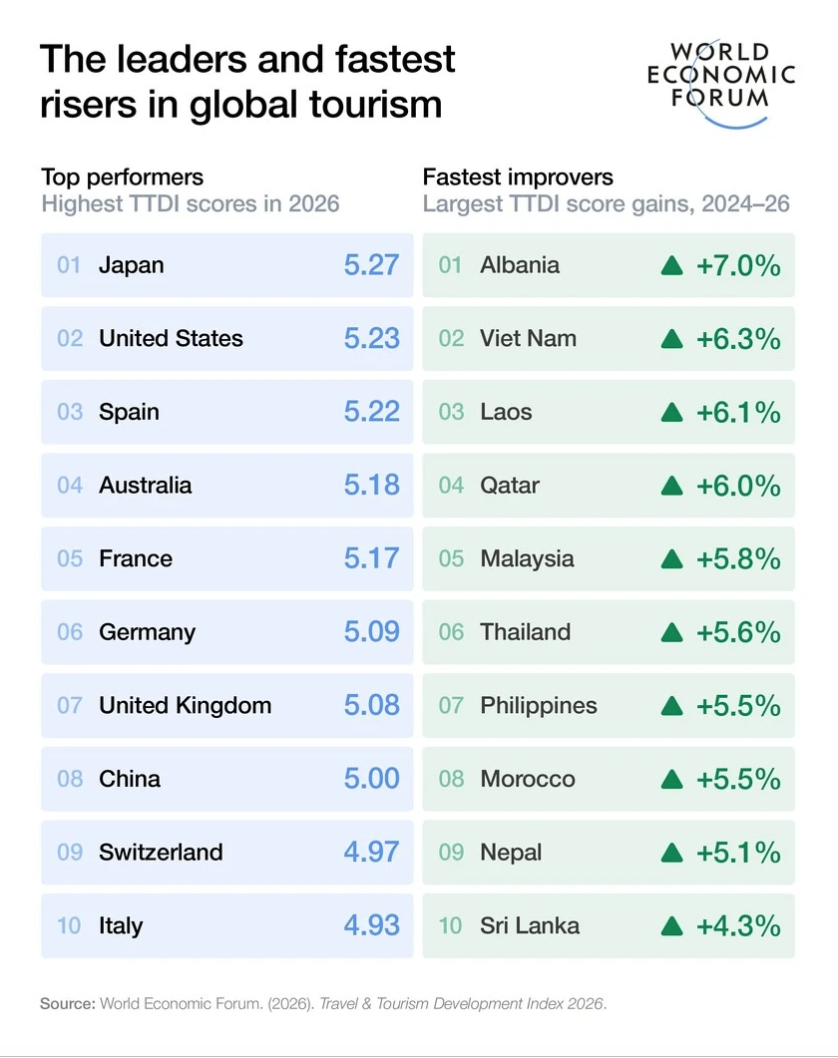
Vietnam has delivered one of Southeast Asia’s strongest improvements in the World Economic Forum Travel & Tourism Development Index 2026, climbing seven places to 52nd among 110 economies.
The country achieved an overall score of 4.15, up 6.1% from 2024. More importantly, Vietnam’s improvement outpaced several established regional tourism economies, including Indonesia, Singapore, Malaysia and Thailand.
For international travel agents and tour operators, the ranking is more than a headline. It provides evidence that the underlying conditions supporting Vietnam’s tourism sector are strengthening at a time when Asia-Pacific and emerging destinations are gaining greater importance in global tourism.
A Seven-Place Rise Signals Stronger Tourism Fundamentals
The WEF index evaluates 17 pillars and 102 indicators, examining the conditions that allow tourism to develop sustainably and resiliently. It looks beyond visitor arrivals and tourism receipts to areas such as infrastructure, enabling conditions, tourism resources, connectivity and sustainability.
Vietnam’s rise from its 2024 position therefore suggests broader progress in the foundations supporting the tourism sector. The scale of that improvement is particularly notable. Vietnam’s TTDI score increased 6.1% between 2024 and 2026, compared with 2.2% for Indonesia, 3.3% for Singapore, and 5.8% for both Malaysia and Thailand.
For travel businesses assessing destination development, this rate of progress matters. Vietnam is not simply benefiting from the wider recovery of international tourism. Its enabling conditions are improving at a relatively rapid pace compared with several key Southeast Asian competitors.
Vietnam’s Competitive Advantages Are Becoming Clearer
The index also highlights where Vietnam already performs strongly.
Vietnam ranked 7th globally for price competitiveness and 9th for safety and security. It also recorded relatively strong performance in natural resources, cultural resources, non-leisure resources, air transport infrastructure and the sustainability of travel and tourism demand.
These strengths create an unusually broad foundation for tourism product development. Natural resources support mountain, coastal and soft-adventure programmes. Cultural resources allow agents to build heritage, food and community-focused journeys. At the same time, competitive pricing gives overseas operators greater flexibility when designing programmes across different price points.
The result is a destination that can support more than the traditional first-time Vietnam circuit. For international partners, the opportunity increasingly lies in diversifying the portfolio: combining established destinations with secondary cities, countryside experiences, active travel, local food, rail journeys and slower regional programmes.
Vietnam Is Part of a Larger Emerging Tourism Growth Story
Vietnam’s improvement also needs to be viewed within a broader global shift. The World Economic Forum identifies Vietnam among the 10 largest non-high-income travel and tourism economies by direct tourism GDP, alongside countries including China, India, Indonesia, Malaysia, Thailand, Türkiye, Mexico and Brazil. Together, these economies currently account for more than 28% of global direct travel and tourism GDP, with their share projected to reach 35% by 2035.
Their tourism development conditions are also improving faster than those of many mature markets. Since 2019, the group increased its average TTDI score by 4.7%, compared with 2.9% across the overall index and 1.9% among the top 20 economies.
Vietnam’s rise therefore fits into a wider rebalancing of global tourism towards large emerging destinations. For international travel companies, this suggests that markets such as Vietnam are becoming increasingly important not simply because they offer competitive pricing, but because their tourism ecosystems are becoming more capable, connected and diversified.
Stronger Connectivity Supports Product Expansion
Air transport is one of the areas highlighted positively in Vietnam’s TTDI performance. This matters because connectivity determines how easily international partners can expand beyond a single gateway or conventional itinerary.
Recent aviation data provides additional context. In OAG’s 2026 Megahubs Index, both Tan Son Nhat International Airport in Ho Chi Minh City and Noi Bai International Airport in Hanoi entered the world’s top 50 most internationally connected airports. Noi Bai served 105 destinations, while Tan Son Nhat connected with 100 destinations.
For product planners, stronger international connectivity can make Vietnam easier to combine with neighbouring Southeast Asian destinations and can support more flexible arrival and departure patterns. It also strengthens the commercial case for open-jaw itineraries, regional extensions and multi-country programmes.
What the Rise Means for International Travel Partners
The most important implication of the ranking is confidence. Vietnam’s improving position provides additional evidence for international travel companies considering whether to expand their Vietnam portfolio, introduce new regions or develop more specialised programmes. Three opportunities stand out.
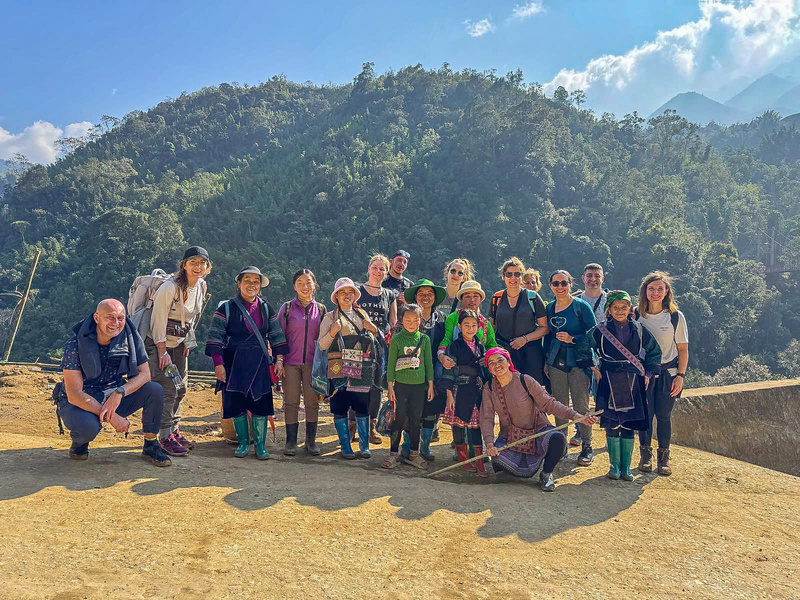
First, agents can move beyond standard programmes based mainly around Hanoi, Ha Long Bay, Hue, Hoi An and Ho Chi Minh City. Vietnam’s strong natural and cultural resources create room for programmes centred on mountains, rural communities, food, active travel and local experiences.
Second, Vietnam’s price competitiveness allows travel companies to add experience rather than simply compete on cost. Budget that might be absorbed by accommodation or transportation in more expensive markets can potentially be directed towards guides, activities, upgraded experiences or longer stays.
Third, stronger tourism fundamentals make Vietnam increasingly suitable for product diversification. Instead of offering one general Vietnam itinerary, international operators can build separate product lines for cultural travellers, active clients, mature travellers, families, special-interest groups or repeat visitors.
Turning Vietnam’s Momentum Into Better Travel Products
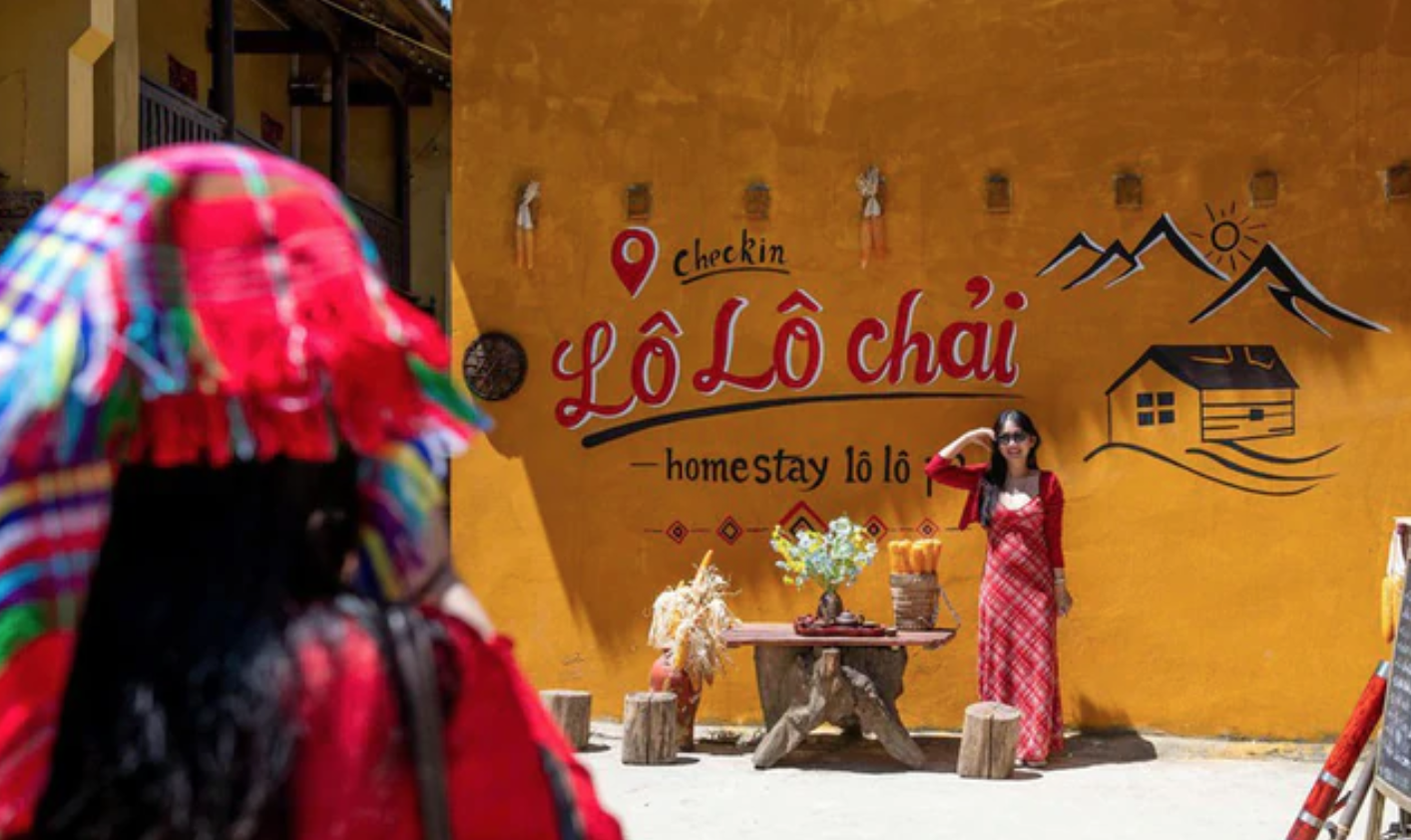
The WEF ranking provides a useful macro-level signal, but travel companies ultimately need to translate that progress into products clients can understand and buy. For example, Vietnam’s cultural and natural resource strengths can support a slower Northern Vietnam programme combining Hanoi with mountain landscapes, local communities and regional cuisine.
Improving connectivity can support more flexible North-to-South journeys or combinations between Vietnam and neighbouring Southeast Asian destinations.
Price competitiveness can also give partners room to build additional experiences into a programme rather than competing purely through lower package prices.
The commercial opportunity is therefore not simply to sell more Vietnam, but to develop more differentiated Vietnam products.
Sources:
https://en.vietnamplus.vn/vietnam-among-10-largest-non-high-income-tt-economies-in-wef-index-post352655.vnp
https://news.tuoitre.vn/vietnam-climbs-7-places-in-global-tourism-development-ranking-103260926120406378.htm
https://www.weforum.org/publications/travel-tourism-development-index-2026/in-full/3-global-performance-trends/?utm_source=chatgpt.com
Where a Local DMC Adds Value
As product possibilities expand, detailed destination knowledge becomes increasingly important. Emerging destinations may require different transport arrangements, accommodation expectations, seasonal planning or suitable group sizes compared with major tourism centres.
A local DMC can help international partners convert destination potential into programmes that remain operationally realistic. At An Vui Travel, this includes supporting international travel partners with routing, transport coordination, local experience sourcing, accommodation arrangements and tailor-made itinerary development across Vietnam and Southeast Asia. The objective is to help partners use Vietnam’s growing tourism strengths while matching each destination and experience to the right traveller profile.
Vietnam’s seven-place rise in the WEF Travel & Tourism Development Index is a positive indicator of how quickly the country’s tourism foundations are developing. Strong price competitiveness, safety, cultural and natural resources and improving connectivity provide international travel companies with increasingly diverse opportunities for product development.
The next opportunity is not simply adding Vietnam to the portfolio. It is using these stronger fundamentals to create more specialised, experience-led and commercially differentiated Vietnam programmes.
#AnVuiTravel #VietnamTourism #B2BTravel #TourismDevelopment #VietnamDMC
🔗 Let’s connect and grow together!
Headquarter / Sales Hub: 5th Floor, H&N Building, 329-331 Hoang Quoc Viet Street, Cau Giay District, Hanoi, Vietnam.
Operation Offices: Vietnam (Hanoi, Danang, Ho Chi Minh), Laos (Vientiane), Cambodia (Siem Reap), Myanmar (Yangon), Thailand (Bangkok)
Email: info@anvuitravel.com
Cellphone No. (Hotline): +84 912 683 908 (Whatsapp, Telegram, Viber)
Fanpage: https://www.facebook.com/anvuitravel84/
Tiktok: https://www.tiktok.com/@anvuitravel
Instagram: https://www.instagram.com/anvuitravel/
Linkin: https://www.linkedin.com/company/anvui-travel/about/?viewAsMember=true
Web: https://anvuitravel.com
✨ Together, let’s make travel extraordinary! ✈️