 Italian
  English
  French
  German
  Spanish
  Portuguese
  Japanese
  Korean
  Chinese
  Arabic
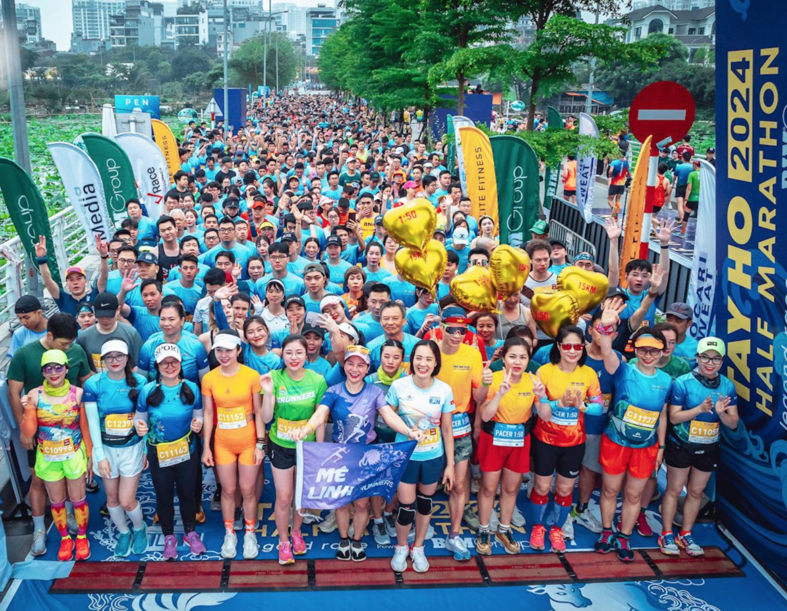
From marathon routes threading through UNESCO heritage streets to triathlons along tropical coastlines, sports tourism has become one of the fastest growing, highest yield segments in global travel, and Vietnam is positioning itself as Southeast Asia’s next major race and recovery destination. For tour operators, DMCs, MICE agencies, and corporate incentive planners, this trend represents more than a niche product line. It is a repeatable, high margin package that combines event logistics, hospitality, and, increasingly, food experiences that travelers actively seek out and pay a premium for.
This report takes a closer, trade focused look at the opportunity: the market numbers behind the boom, the destinations driving demand, and a deep dive into the regional dishes that are becoming a genuine product differentiator for operators building race and recovery packages (no sports itinerary is complete without them). Throughout, we highlight where An Vui Travel’s ground handling and itinerary design capabilities support partners looking to bring these packages to market.
1. The Market Opportunity: Sizing the Sports Tourism Boom
Global sports tourism is no longer a fringe category. According to market research firm Grand View Research, the segment is forecast to grow at a compound annual growth rate (CAGR) of 16.8% between 2026 and 2033, reaching a projected market size of USD 2.776 trillion by 2033. That growth is being driven by a broader shift in traveler behavior: personalized, experience rich, activity based trips are displacing passive sightseeing tours, and events such as marathons, triathlons, cycling races, golf tournaments, and outdoor multi-sport festivals are becoming the anchor around which entire itineraries are built.
Travelers increasingly seek journeys rich in experience and personalization; sports tourism is growing strongly and becoming a defining trend of recent years. (Nhan Dan Newspaper)
For travel agents, this is a demand signal worth acting on now. The operators who build repeatable, well provisioned race weekend products today are best positioned to capture this growth as international sports calendars increasingly route through Vietnam.
2. Vietnam’s Emergence as a Regional Race Destination
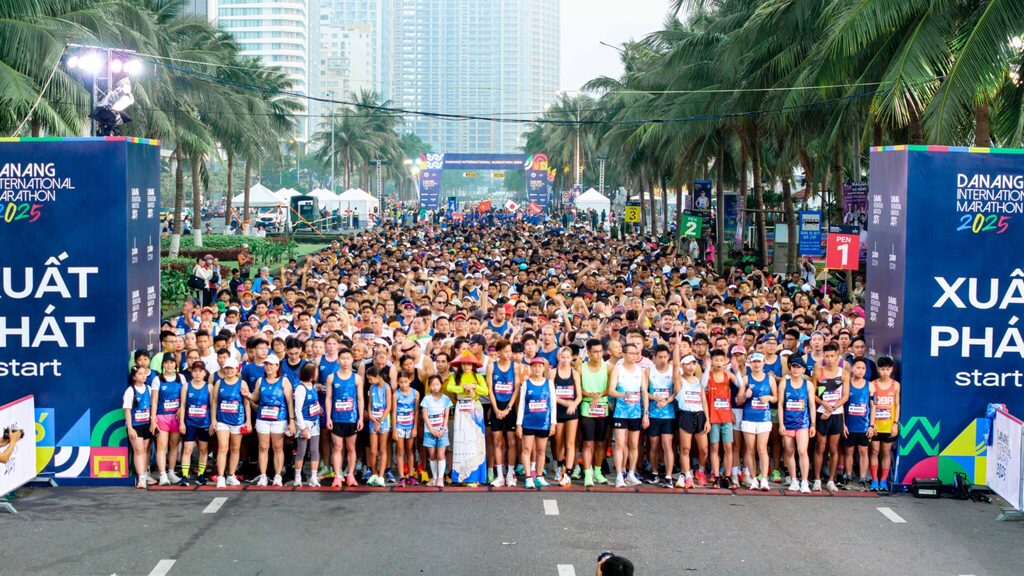
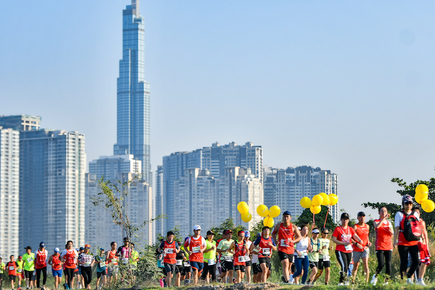
Vietnam offers a rare combination for event based tourism: a 3,260 km coastline, dramatic mountain terrain, temperate highland climates, and heritage cities with dense urban race routes, all within short domestic flight connections. Where local races once drew almost exclusively domestic participants, Vietnam now hosts a year round national calendar spanning Hanoi, Ho Chi Minh City, Da Nang, Hue, Sa Pa, Da Lat, Phu Quoc, and Con Dao.
The commercial impact is measurable. Data from online travel platform Traveloka shows that the Ho Chi Minh City Marathon, held in January 2026, drove a sharp rise in inbound travel search demand: up 206% in South Korea, 109% in Japan, and 107% in Singapore. Separately, a heritage route race through Hanoi’s Old Quarter drew more than 18,000 participants, including nearly 1,300 international runners from 55 countries, pushing hotel occupancy around Hoan Kiem Lake to a 150% year on year increase during race weekend.
- HCMC Marathon (Jan 2026): 206% South Korea, 109% Japan, 107% Singapore growth in travel search demand (Traveloka)
- Hanoi heritage marathon: 18,000+ runners, 1,300+ international athletes from 55 countries; 150% occupancy surge around the Old Quarter
- Quang Tri aquathlon and marathon (July 2026): about 5,000 athletes; high occupancy at Bao Ninh beachfront resorts
- Sports Festival 2026, Lam Dong (August 1 to September 22): about 17,000 athletes and visitors expected, aimed at boosting coastal tourism
Traveloka’s Vietnam country director, Huynh Thi Mai Thy, describes this shift as the emergence of a runcation market, one where Ho Chi Minh City and Vietnam more broadly are being recognized not simply as race hosts, but as full vacation destinations built around the event.
3. The Runcation Economy: Why Sports Travelers Are a Better Customer
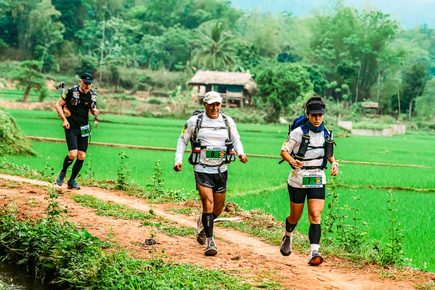
For commercial partners, the appeal of sports tourism lies in its economics. A marathon that lasts a few hours routinely converts into a 3 to 5 day stay, because athletes and their travel companions book flights and accommodation months in advance and then build additional days around the race: before it, to acclimatize and recover from jet lag, and after it, to explore, eat, and unwind.
This behavior compounds across the entire destination ecosystem, producing a longer average length of stay, higher average spend per traveler, and a natural cross-sell into hospitality, retail, wellness, and, critically for this report, food and beverage experiences. Unlike a single day sightseeing tour, a race weekend generates recurring touchpoints (arrival, pre-race carb loading, the event itself, post-race recovery, and departure) that a well designed B2B package can monetize at each stage.
Alongside the race itself, travelers consistently layer in a cluster of companion activities: local dining, sightseeing, shopping, and cultural experiences. This is a pattern reported consistently across Vietnamese travel media covering this segment, and it puts food squarely at the center of the sports tourism value chain rather than as an afterthought.
4. Deeper Dive: Regional Cuisine as a Sports Tourism Product
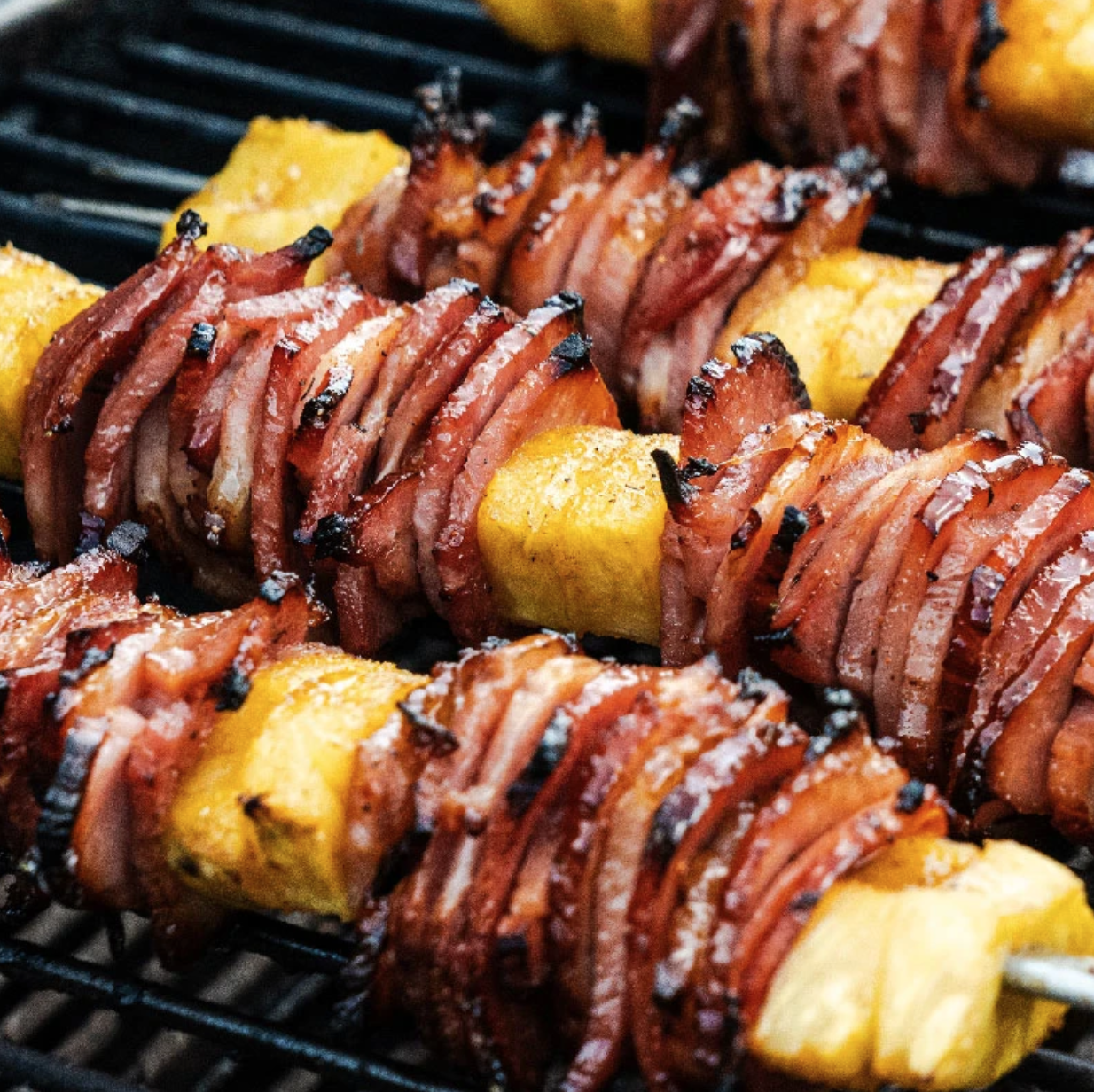
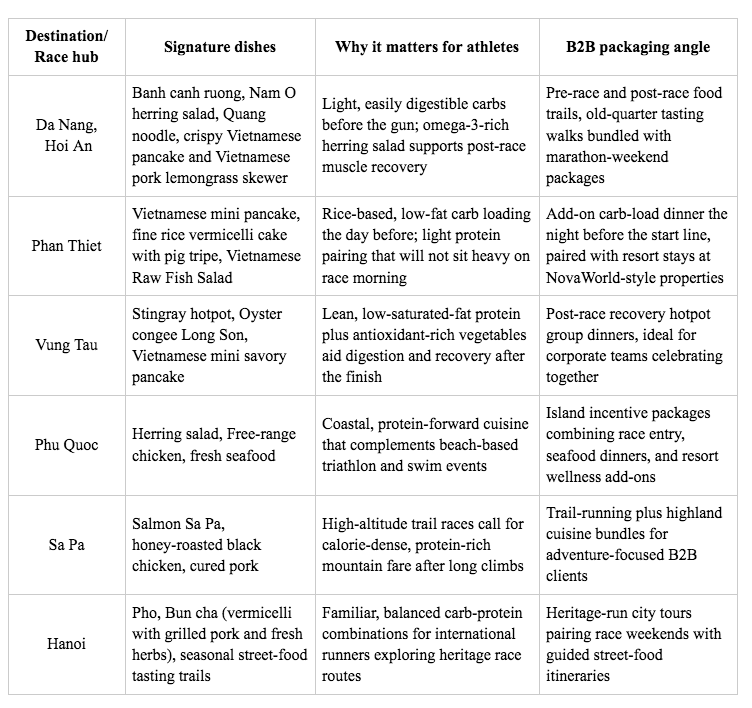
This is where the opportunity gets specific, and where operators can differentiate. Vietnamese sports media covering major marathons have begun publishing destination specific guides on what to eat before and after the race, matched to the nutritional needs of endurance athletes: easily digestible complex carbohydrates the day before an event, and lean protein plus antioxidant rich vegetables for recovery afterward. That editorial trend is itself a signal that race day nutrition and local cuisine are converging into a single, marketable travel product.
The table below summarizes the signature dishes now associated with Vietnam’s leading race hubs, why they matter physiologically to athletes, and how B2B partners can package them into commercial add-ons.
5. Beyond the Race: Culinary Tourism as a Complementary Growth Layer
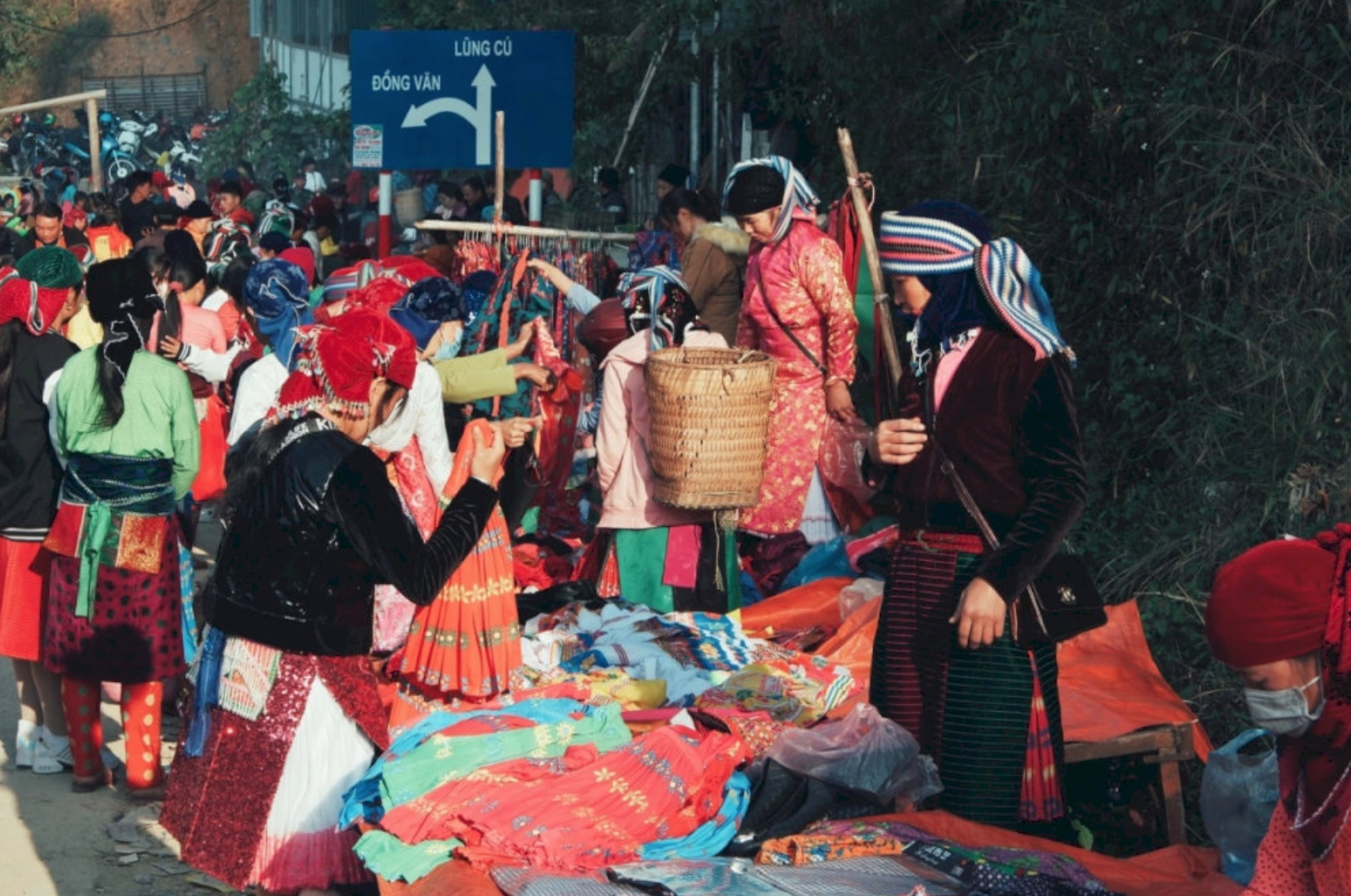
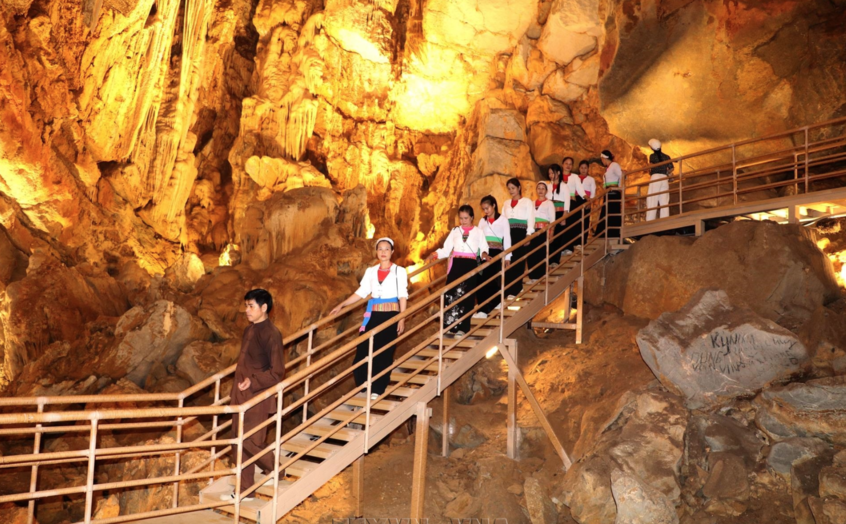
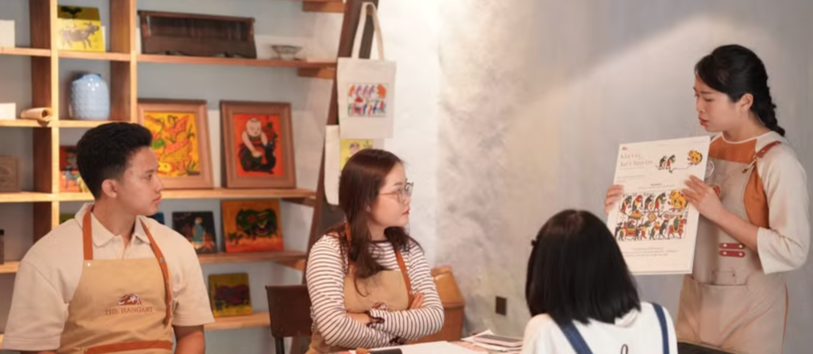
Food tourism in Vietnam is a well established, fast growing category in its own right, and it dovetails naturally with sports itineraries. Vietnamese tourism authorities and destination operators point to a rising preference for hands on culinary experiences: travelers who do not just eat, but shop at local markets, learn to prepare regional dishes, and cook alongside residents. In destinations such as Hoi An, Mai Chau, and Da Lat, guided experiences already let visitors select fresh ingredients at a local market, learn seasoning techniques, and prepare traditional dishes themselves, from cycling to a village market, to pounding rice for com, to grilling fish over charcoal with local families.
For travel agents, this offers a natural upsell layer for multi-day sports packages. A rest day cooking class or market tour slotted between race day and departure extends length of stay, adds a shareable, media friendly experience for corporate incentive groups, and reinforces the destination’s cultural depth beyond the finish line.
Screenshot
6. Filling the Calendar: Sports Tourism as a Shoulder Season Driver
One of the strongest commercial arguments for investment in this segment is seasonality. Early August marks a lull between peak summer travel and the not yet ramped autumn international season, precisely when sports events are stepping in to sustain occupancy. The Quang Tri aquathlon and marathon in late July drove high occupancy at beachfront resorts near Bao Ninh. Sports Festival 2026 in Lam Dong (August 1 to September 22, about 17,000 athletes and visitors) is designed explicitly to extend coastal tourism into a traditionally quieter period.
Deputy Director of Vietnam’s Sports Administration, Le Thi Hoang Yen, frames this as a structural shift in traveler preference. Increasingly, both domestic and international visitors want to stay active on holiday, running lakeside, hiking, cycling, stand up paddleboarding, or playing pickleball, rather than defaulting to passive relaxation. She points to Vietnam’s varied terrain, climate, and local culture as core competitive advantages for this segment regionally.
Officials and industry bodies also caution that an event only fulfils its economic potential when it is embedded in a full tourism ecosystem, with accommodation, sightseeing, dining, and wellness bundled around it, rather than a stand alone competition that starts and ends at the finish line. That is precisely the packaging opportunity B2B partners are positioned to capture.
7. Building the Product: What This Means for Operators and Corporate Partners
Bringing a sports and cuisine product to market requires more than booking a hotel block near a start line. It requires destination specific menu curation, coordination with race organizers on bib collection and transport logistics, group dining reservations timed around race schedules, and, for inbound and MICE clients, multilingual guiding and corporate grade service standards.
An Vui Travel works with suppliers and corporate incentive planners to build exactly this kind of layered itinerary: race weekend logistics (transfers, accommodation blocks, bib and gear support) integrated with destination matched dining, from pre-race carb loading dinners to post-race recovery meals sourced from the regional dishes outlined above, plus optional rest day cultural add-ons such as market visits or cooking experiences. For partners selling into special markets, this combination of race, proven local knowledge, and food forward storytelling is a differentiated product that stands apart from generic sightseeing packages.
- Group logistics: transfers, accommodation blocks, and bib/gear coordination timed to race schedules
- Destination matched F&B: pre-race carb loading dinners and post-race recovery meals drawn from each hub’s signature dishes
- Rest day cultural layers: market visits, cooking experiences, and heritage site tours to extend length of stay
- Corporate and MICE support: multilingual guiding, group dining reservations, and incentive travel grade service standards
- Shoulder season programming: packages built around events scheduled in traditionally quieter months to help partners smooth occupancy across the calendar
Conclusion: A Repeatable, High Margin Product for 2026 and Beyond
Vietnam’s sports tourism sector is no longer an emerging niche. It is a measurable, fast growing demand channel with a clear commercial pattern: athletes and their travel companions plan early, stay longer, and spend more than the average sightseeing traveler. What sets the strongest operators apart is packaging, and regional cuisine has proven to be one of the most effective, story rich differentiators available, turning a single race entry into a multi-day, multi-touchpoint product built around Vietnam’s diverse regional food culture.
An Vui Travel is ready to work with tour operators, DMCs, corporate incentive planners, and event organizers to design, localize, and operate these race and recovery packages end to end. For partnership inquiries, product co-development, or group rate proposals, please reach out to our team.
References
https://vietnamtourism.gov.vn/post/61969
https://nhandan.vn/du-lich-the-thao-phan-khuc-khai-thac-giau-tiem-nang-post978176.html
https://baophapluat.vn/du-lich-the-thao-hut-khach-thoi-diem-giao-mua.html
🔗 Let’s connect and grow together!
Headquarters / Sales Hub: 5th Floor, H&N Building, 329, 331 Hoang Quoc Viet Street, Cau Giay District, Hanoi, Vietnam.
Operation Offices: Vietnam (Hanoi, Danang, Ho Chi Minh), Laos (Vientiane), Cambodia (Siem Reap), Myanmar (Yangon), Thailand (Bangkok).
#AnVuiTravel #SportsTourismVietnam #B2BTravelPartners #VietnamCulinaryTourism #DestinationMarathonVietnam