 Italian
  English
  French
  German
  Spanish
  Portuguese
  Japanese
  Korean
  Chinese
  Arabic
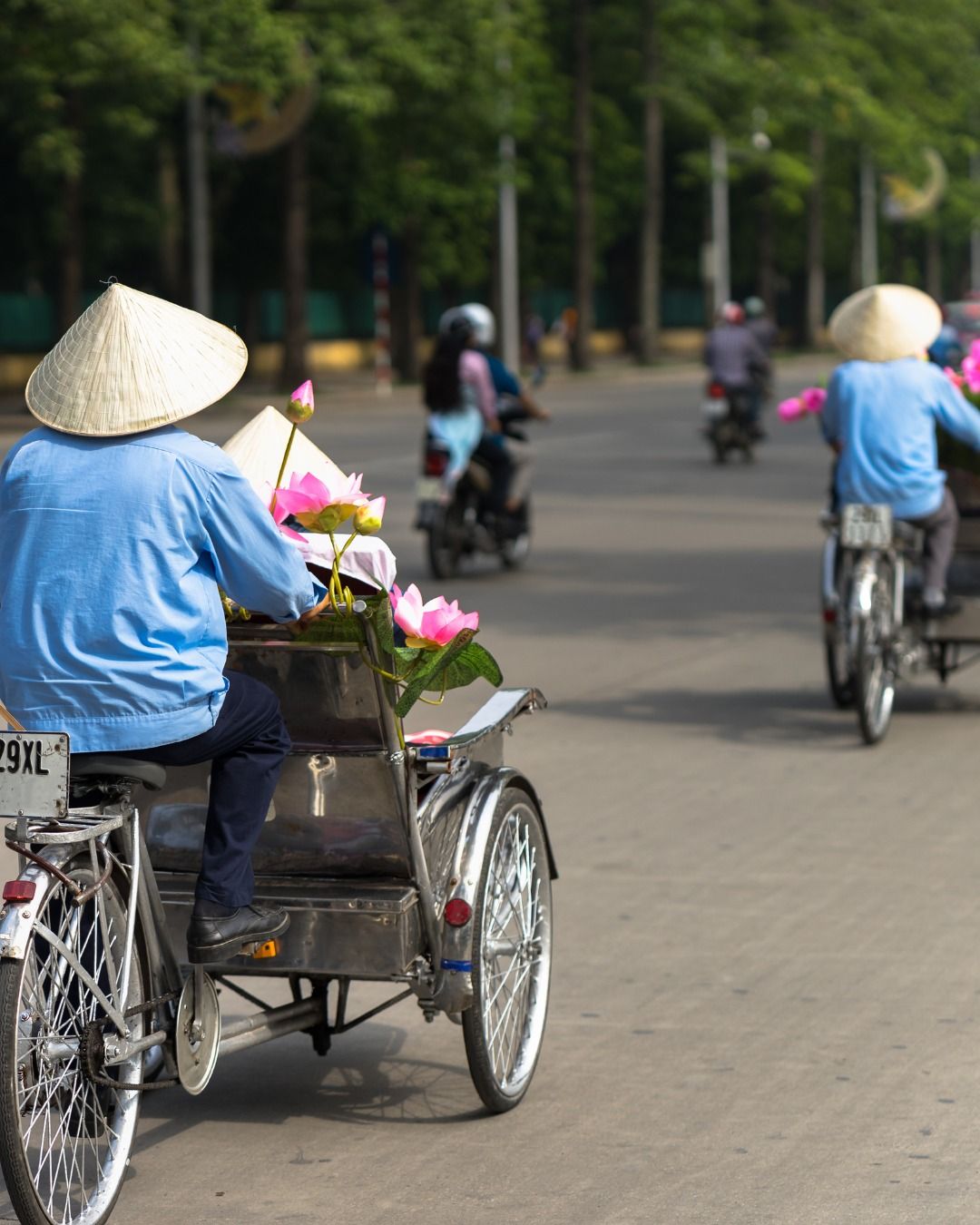
Vietnam is a destination that rewards depth—but its geography requires thoughtful planning. Stretching from Hanoi in the north to Ho Chi Minh City in the south, the country offers remarkable contrasts in landscapes, cultures, cuisine, and local lifestyles. For travel professionals, the challenge is not simply fitting these destinations into one itinerary; it is connecting them in a way that feels comfortable, logical, and enjoyable for clients.
A well-designed Vietnam itinerary should therefore treat transportation as part of the travel experience rather than simply a means of getting from one place to others.
An Vui Travel designed a “Slow Travel, Deep Culture Experience” tour, which demonstrates this approach by combining private road transfers, an overnight train, and a domestic flight to connect the country’s three main regions efficiently.
Designing Around Geography, Not Against It
One of the most important principles when planning a multi-region Vietnam journey is to avoid relying on a single transport mode.
Private vehicles are ideal for shorter regional journeys and sightseeing days because they allow flexibility, direct hotel-to-attraction transfers, and opportunities to experience the countryside along the way. Longer distances, however, require a different strategy.
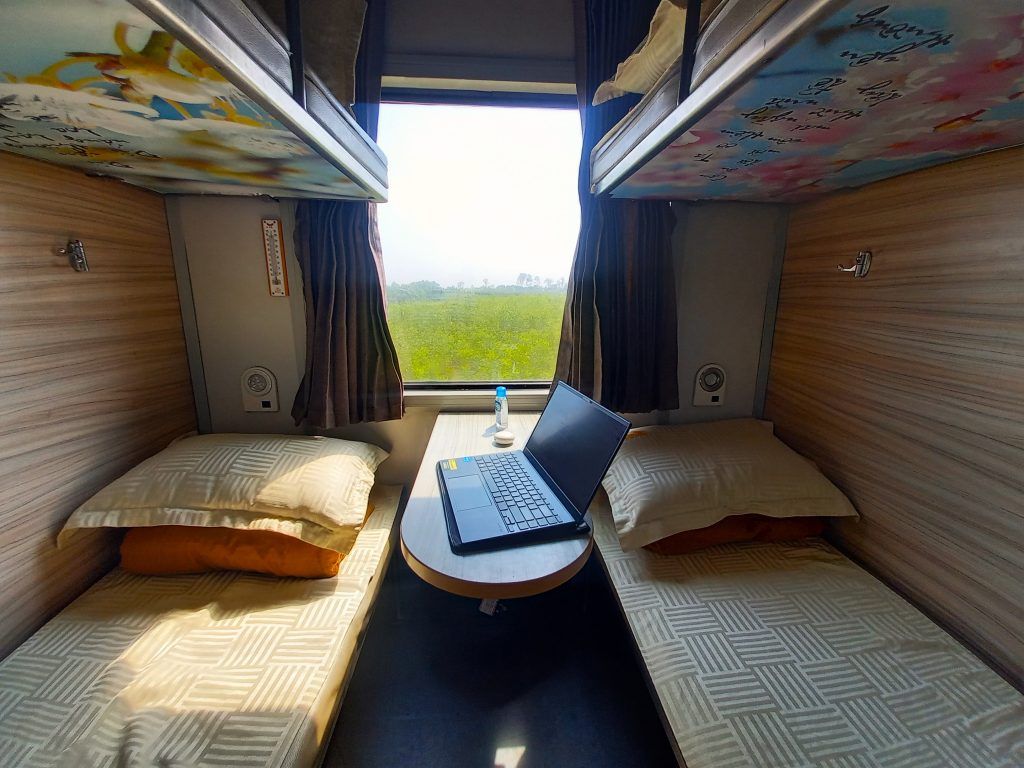
The Hanoi–Hue section is a good example. Instead of using a full daytime journey that could consume valuable sightseeing hours, the itinerary uses an overnight train. After cruising Ha Long Bay and returning to Hanoi, travellers transfer to the railway station for the evening departure to Hue.
This is more than a practical solution. When managed correctly, an overnight train can become a memorable part of the Vietnam experience while allowing the itinerary to preserve daytime for cultural discovery.
Hanoi to Hue: Turning an Overnight Journey into an Experience
For international clients, comfort is the key consideration when introducing rail travel.
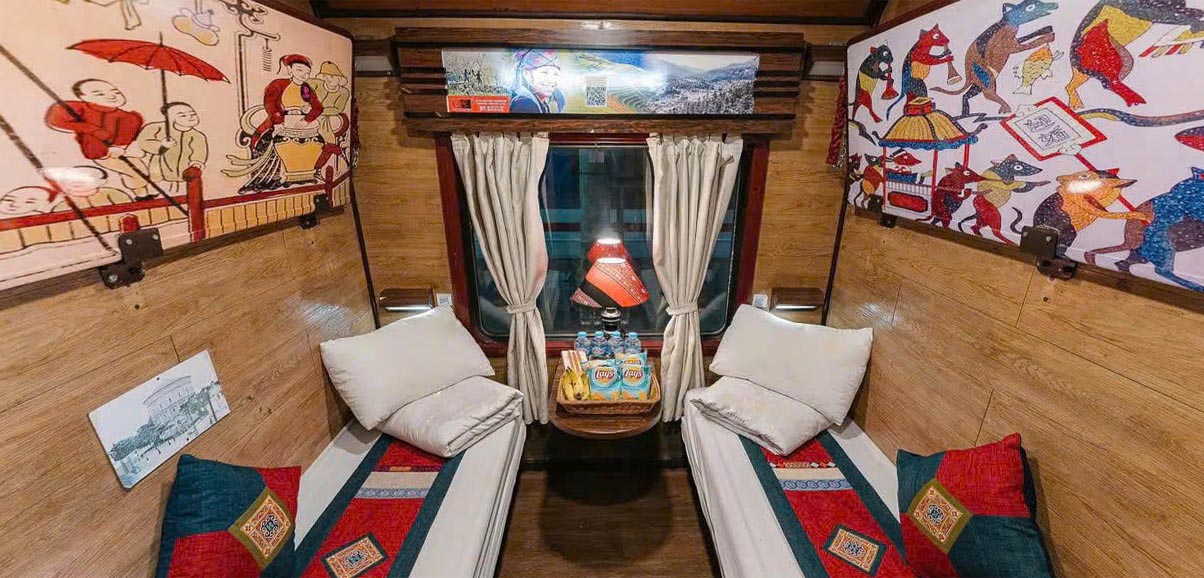
By using a soft-berth cabin with four sharing as its baseline train arrangement, while a private cabin can be selected for travellers who prioritise additional privacy and comfort.
From a product-design perspective, this transportation creates useful flexibility. Travel agents can position the train according to the client’s expectations rather than treating rail travel as a one-size-fits-all experience.
Da Nang to Ho Chi Minh City: Fly Where Distance Matters
Once the itinerary reaches Central Vietnam, the geography changes the logistics again.
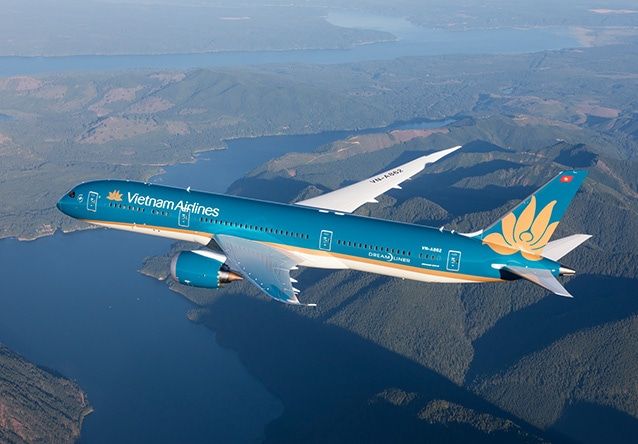
After exploring Hue and Hoi An, the programme uses an early domestic flight from Da Nang to Ho Chi Minh City rather than extending the journey overland. Then, travellers have opportunities to experience the South by walking through the streets or taking a city tour by bus.
This is a strategic use of air travel: use the flight to eliminate a long-distance transfer, then use private ground transportation once the destination has been reached.
For travel designers, the principle is simple: save time where distance is greatest, and slow down where the destination itself is the experience.
That balance allows travellers to spend more time exploring places such as the Cu Chi area and the Mekong Delta instead of spending unnecessary hours on inter-regional road travel.
Comfort Is Built Through Consistency
Transport is only one part of seamless travel. Client satisfaction is also shaped by the standards maintained between journeys.
A reliable Vietnam programme should establish a clear comfort baseline including accommodation with daily breakfast, private air-conditioned vehicles for transfers, regional English-speaking guides, and drinking water per traveller per day.
These may appear to be simple inclusions, but consistency matters enormously when travellers are moving between several regions.
After an overnight train, clients need a smooth arrival and time to refresh before sightseeing. After a domestic flight, they need an organised airport transfer rather than another logistical challenge. During full sightseeing days, access to private air-conditioned transportation and drinking water helps maintain comfort in Vietnam’s climate.
In other words, premium logistics are created through hundreds of small decisions that remove friction from the journey.
The strongest itineraries recognise that each region deserves its own rhythm. Hanoi can be explored through history, local interaction, and countryside experiences. The overnight train can bridge the North and Central regions while adding a distinctive travel memory. Hue and Hoi An can then be explored at a slower pace, before a domestic flight efficiently connects Central Vietnam with the South.
This combination creates a journey that is geographically ambitious without feeling unnecessarily rushed.
For travel agents, the real value lies in experiencing these logistics firsthand. Understanding the cabin configuration, timing, airport transfers, vehicle comfort, hotel standards, and pace of each journey makes it much easier to design and confidently recommend Vietnam programmes to clients.
At An Vui Travel, we help travel partners turn that potential into consistent, reliable revenue. We work directly with local partners and community residents to build Cu Chi experiences that are:
- Operationally smooth — logistics handled, quality controlled, no surprises
- Commercially optimized — structured to maximize value at every price point
- Genuinely memorable — the kind of experience that earns you 5-star reviews and repeat clients
Let’s introduce your customers to the authentic side of Vietnam with AnvuiTravel!
Headquarters / Sales Hub: 5th Floor, H&N Building, 329, 331 Hoang Quoc Viet Street, Cau Giay District, Hanoi, Vietnam.
Operation Offices: Vietnam (Hanoi, Danang, Ho Chi Minh), Laos (Vientiane), Cambodia (Siem Reap), Myanmar (Yangon), Thailand (Bangkok).
#Transportation #NorthtoSouth #Vietnam #AnVuiTravel