 Italian
  English
  French
  German
  Spanish
  Portuguese
  Japanese
  Korean
  Chinese
  Arabic
Summary
Vietnam’s April 2026 holiday travel surge reflects a strong rise in domestic demand, driven by favorable holiday timing, rising urban temperatures, and more mature booking behavior. Search interest is up 81% year-on-year, showing high travel intent ahead of the peak season.
At the same time, Vietnamese travelers are shifting toward cooler and more comfortable destinations, booking earlier, and prioritizing convenience and experience quality over price alone. Longer holiday breaks in April are also increasing travel duration, spending, and demand for packaged trips.
Overall, the market is moving from price-driven travel to more planned, value-focused, and experience-led domestic tourism, where comfort, timing, and perceived quality are becoming key decision factors.
What Is Driving Vietnam’s April 2026 Holiday Travel Surge?
Vietnam’s Hung Kings’ Festival together with the April 30–May 1 holiday period is shaping into one of the most commercially significant domestic travel peaks of early 2026. A favorable public holiday calendar, stronger consumer confidence, rising urban temperatures, and increasingly sophisticated booking behavior are combining to drive strong demand for cooler mountain destinations, coastal resorts, and short haul leisure escapes.
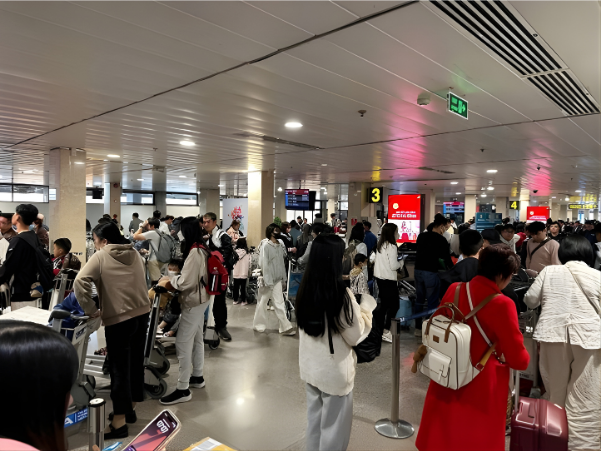
Recent figures reported by VietnamPlus, citing Agoda, showed domestic accommodation searches for the holiday period increased 81% year-on-year, signaling robust intent across Vietnam’s leisure travel market. While search activity does not equal completed bookings, it remains one of the strongest leading indicators of future transaction demand during fixed holiday windows.
More importantly, the market is evolving in quality as well as quantity. Vietnamese travelers are entering the booking cycle earlier, evaluating convenience and comfort more carefully, and demonstrating stronger willingness to pay for better experiences instead of choosing purely on lowest price.
This suggests Vietnam’s domestic tourism sector is moving from volume-led growth toward quality-led monetization, where revenue opportunity increasingly depends on product relevance, service quality, and timing rather than raw demand alone.
How Strong Is Vietnam’s Domestic Travel Market Entering 2026?
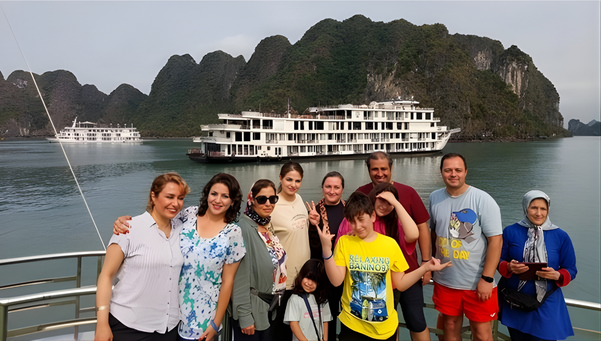
Vietnam’s domestic tourism market entered 2026 from a position of relative strength. Following the post-pandemic recovery years, domestic travel has become more normalized, more frequent, and more integrated into middle-class lifestyle spending. Travel is no longer viewed only as an annual event, but increasingly as a recurring consumption category that includes weekend breaks, family holidays, festival travel, and short recovery trips throughout the year.
This structural shift matters because it changes how holiday peaks perform. Rather than relying only on pent-up demand, the April holiday season now benefits from an already active traveler base accustomed to searching, comparing, and booking leisure products online. The rise of digital booking channels, transparent pricing, and social-media-led destination discovery has made domestic travel more responsive to short-term triggers such as weather, leave patterns, and promotional pricing.
At the same time, Vietnamese consumers remain value conscious. Inflationary pressures and rising transport costs mean travelers are still price aware, but they are increasingly selective rather than purely budget driven. Many are willing to spend more when they perceive genuine convenience, stronger quality, or emotional payoff.
This combination of maturing demand and selective spending creates a healthier commercial environment than a purely discount-led market.
Why Does the April Holiday Window Matter More Than Usual?
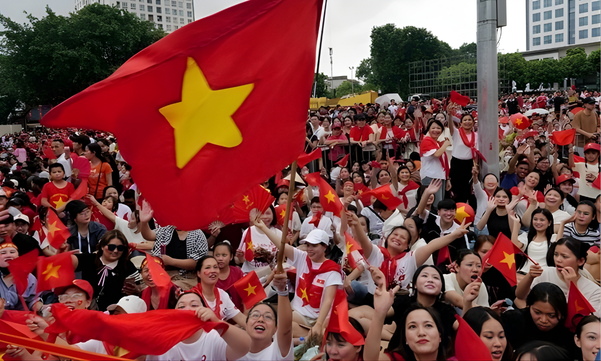
Vietnam’s April holiday season has long been one of the country’s strongest domestic travel periods, but 2026 offers unusually favorable timing. Hung Kings’ Festival falls close to Reunification Day and International Workers’ Day, allowing many travelers to combine public holidays with annual leave and create breaks of three to nine days depending on work flexibility.
Longer travel windows significantly increase consumer options. A two-day holiday may favor nearby road destinations, but a four- or five-day break allows flights, multi-night resort stays, or itineraries involving multiple stops. This expands average spend per traveler and benefits airlines, hotels, restaurants, attractions, and local transport providers simultaneously.
Longer holidays also reduce psychological friction. Travelers feel that taking a trip is “worth it” when enough time is available. This often lifts conversion rates compared with shorter fragmented breaks where effort may outweigh perceived reward.
As a result, April 2026 is not simply another public holiday—it is a highly monetizable travel window with favorable demand mechanics.
Sources:
https://www.timeanddate.com/holidays/vietnam/hung-kings-festival
https://www.timeanddate.com/holidays/vietnam/reunification-day
https://www.timeanddate.com/holidays/vietnam/labor-day
Why Is Climate Becoming a Primary Booking Trigger?
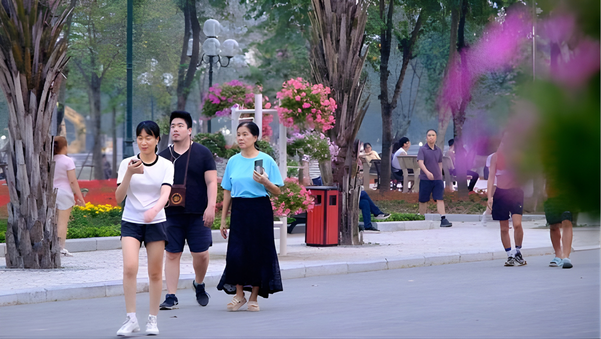
One of the most important changes in Vietnam’s domestic tourism market is the growing role of climate in travel decision-making. Rising temperatures in Hanoi, Ho Chi Minh City, and other urban centers are making thermal comfort a stronger purchase driver than in previous years.
Travelers are increasingly selecting destinations not only for attractions, but for how they expect to feel there. Cooler air, green scenery, outdoor walkability, and lower urban density can materially increase perceived trip value. This is especially relevant during public holidays, when many consumers seek recovery from work stress and city fatigue.
In this context, destinations such as Da Lat and Sa Pa benefit from altitude and cooler weather, while beach destinations such as Da Nang and Nha Trang benefit from sea breezes and resort environments.
Climate, once a secondary consideration, is becoming one of the first filters in destination choice.
What Do Vietnamese Travelers Want in 2026?

The modern Vietnamese traveler is increasingly motivated by a blend of practicality and emotion. Consumers still compare prices carefully, but many are now seeking experiences that feel restorative, convenient, and socially rewarding.
Young professionals are helping drive demand for quick-reset travel: short trips that provide visible lifestyle value, relaxation, and social-media-friendly moments without requiring long planning cycles. Families, by contrast, often prioritize certainty, safety, convenience, and child-friendly infrastructure. Mid-income travelers increasingly seek “smart upgrades,” where modestly higher spending delivers visibly better rooms, smoother logistics, or premium inclusions.
This means the market is no longer split simply by budget tier. It is increasingly segmented by desired outcome: recovery, convenience, family bonding, status expression, or experience depth. Businesses that understand this emotional segmentation are likely to outperform generic price-led sellers.
How Are Search Growth and Booking Behavior Changing?
Reported search growth of 81% year-on-year suggests substantial intent entering the April holiday booking funnel. Search data is valuable because it often appears before confirmed bookings, allowing businesses to anticipate demand patterns earlier than transaction data alone.
Industry reporting also indicates early inquiries rose around 40%, while some outbound products were already 60–70% sold out in advance. Although outbound and domestic demand are different segments, the broader message is clear: consumers are increasingly booking earlier when they anticipate price increases or inventory shortages.
The typical holiday funnel now appears to follow four stages:
- Early inspiration through social media, OTAs, and peer recommendations
- Active comparison of prices, dates, and destination weather
- Early booking of flights and premium room categories
- Final late-stage bookings focused on remaining inventory and convenience markets
This shift increases pricing power earlier in the cycle and reduces the effectiveness of last-minute discounting.
Sources:
https://en.vietnamplus.vn/vietnamese-travellers-prioritise-value-authentic-experiences-for-april-30-holiday-post341205.vnp
https://vietnamnet.vn/en/travelers-book-april-tours-early-phu-quoc-combo-prices-drop-2497180.html
Which Destinations Are Winning and Why?
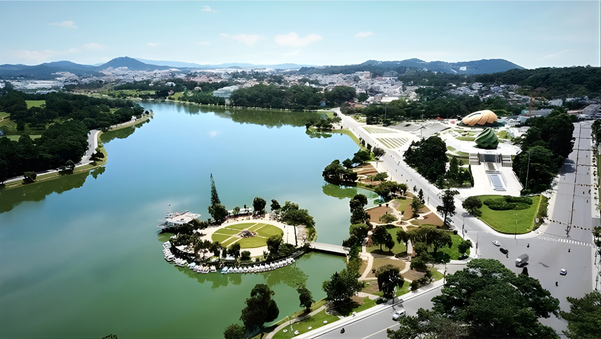
Recent reported search growth showed Vung Tau at +101%, Nha Trang at +96%, Da Nang at +89%, and Da Lat at +45%. These figures show multiple destination models succeeding simultaneously.
Vung Tau is winning because proximity to Ho Chi Minh City minimizes friction. It performs strongly when travelers want a fast and familiar escape.
Da Nang remains one of Vietnam’s most efficient tourism products: beaches, airport access, family appeal, broad hotel supply, and nearby attractions such as Hoi An.
Nha Trang benefits from classic resort familiarity. In peak seasons, certainty often converts better than novelty.
Da Lat wins through climate contrast, café culture, romance appeal, and repeat visitation loyalty.
Sa Pa competes through experiential depth: scenery, trekking, and cultural identity.
This demonstrates that demand is not concentrated around one trend, but diversified across convenience, beach, and recovery segments.
How Are Pricing Trends Affecting Revenue Opportunities?
As holiday demand rises, pricing pressure typically emerges first in airfares, premium room categories, and highly rated centrally located properties. Travelers who delay decisions often face either higher prices or reduced quality choice sets.
For suppliers, this creates opportunities for yield optimization rather than blanket price increases. Smart operators can raise average order value through bundled services such as airport transfers, breakfast packages, attraction tickets, or flexible cancellation add-ons.
Importantly, modern consumers are often willing to pay more when the value proposition is visible. A cleaner room, smoother airport transfer, better cancellation terms, or shorter travel time may justify higher pricing more effectively than generic discounts justify lower pricing.
This suggests monetization quality increasingly matters more than occupancy volume alone.
Source:
https://vietnamnet.vn/en/travelers-book-april-tours-early-phu-quoc-combo-prices-drop-2497180.html
What Risks Should the Market Watch?
Despite strong momentum, several risks remain. Overcrowding may reduce customer satisfaction in top destinations. Transport congestion can erode short-break value by increasing travel stress. Aggressive pricing may push price-sensitive consumers into cheaper substitutes or no-trip decisions.
There is also reputational risk. Poor service quality during peak periods can create negative reviews that influence future booking cycles. In a digitally transparent market, one holiday weekend can generate months of perception effects.
Labor shortages and operational strain may also affect hotels and service providers if staffing does not scale with demand.
The destinations that perform best long term are likely to be those that protect service quality while monetizing peak demand responsibly.
What Does This Mean for Travel Businesses?
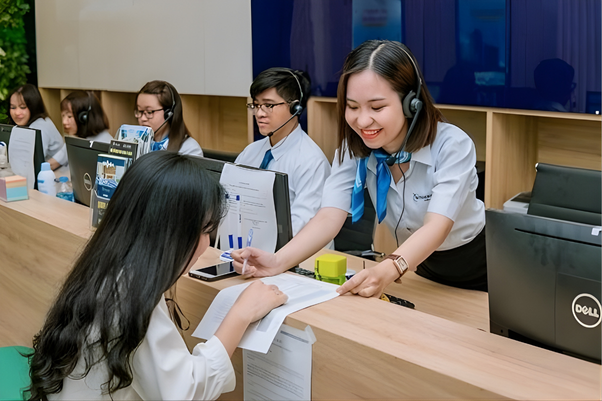
For travel agents, hotels, tour operators, airlines, and booking platforms, the April holiday period represents a high-value commercial moment. But success increasingly depends on precision rather than broad discounting.
Winning strategies are likely to include:
- Early-launch campaigns targeting high-intent travelers
- Dynamic flight-plus-hotel packaging
- Family-ready offers with convenience messaging
- Premium upgrades framed around comfort and time-saving
- Flexible booking terms to reduce purchase hesitation
- Short-break products tailored to nearby urban markets
Most importantly, messaging should focus on outcomes: cooler weather, easier travel, better rest, family quality time, or stress-free planning. Consumers buy benefits more readily than features.
Source:
https://www.agoda.com/press/
What Does the Strategic Outlook Look Like?
Vietnam’s domestic tourism market is entering a more mature phase where consumers are increasingly informed, selective, and segmented by lifestyle need rather than only income level.
That means future winners may not be the cheapest suppliers or the most famous destinations. Instead, they are likely to be the businesses and markets that combine accessibility, emotional relevance, reliable execution, and clear value communication.
The April holiday surge therefore matters beyond one season. It offers a live snapshot of how Vietnam’s next-stage domestic travel economy may function.
Conclusion
Vietnam’s April 2026 holiday period is more than a seasonal travel spike. It reflects a structural shift in how domestic consumers evaluate travel: climate comfort, convenience, emotional recovery, and quality experiences are becoming more influential than price alone.
Search growth, earlier booking behavior, and diversified destination demand all indicate a healthier and more sophisticated domestic tourism market. Consumers are not merely traveling more—they are traveling with clearer intent and higher expectations.
For the travel industry, the implication is clear: the future of growth in Vietnam may depend less on selling more rooms or seats, and more on creating smarter, higher-value experiences that align with what travelers now truly want.
🔗 Let’s connect and grow together! Visit us at
Headquarter / Sales Hub: Room 702, H&N Building, 329-331 Hoang Quoc Viet Street, Cau Giay District, Hanoi, Vietnam.
Uffici operativi: Vietnam (Hanoi, Danang, Ho Chi Minh), Laos (Vientiane), Cambodia (Siem Reap), Myanmar (Yangon), Thailand (Bangkok)
Email: info@anvuitravel.com
Cellphone No. (Hotline): +84 912 683 908 (Whatsapp, Telegram, Viber)
Fanpage: https://www.facebook.com/anvuitravel84/
Tiktok: https://www.tiktok.com/@anvuitravel
Instagram: https://www.instagram.com/anvuitravel/
Linkin: https://www.linkedin.com/company/anvui-travel/about/?viewAsMember=true
Web: https://anvuitravel.com
✨ Together, let’s make travel extraordinary! ✈️
Hashtag: #anvuitravel #traveltovietnam #tourtovietnam #govietnam #vietnamtour