 French
  English
  German
  Italian
  Spanish
  Portuguese
  Japanese
  Korean
  Chinese
  Arabic
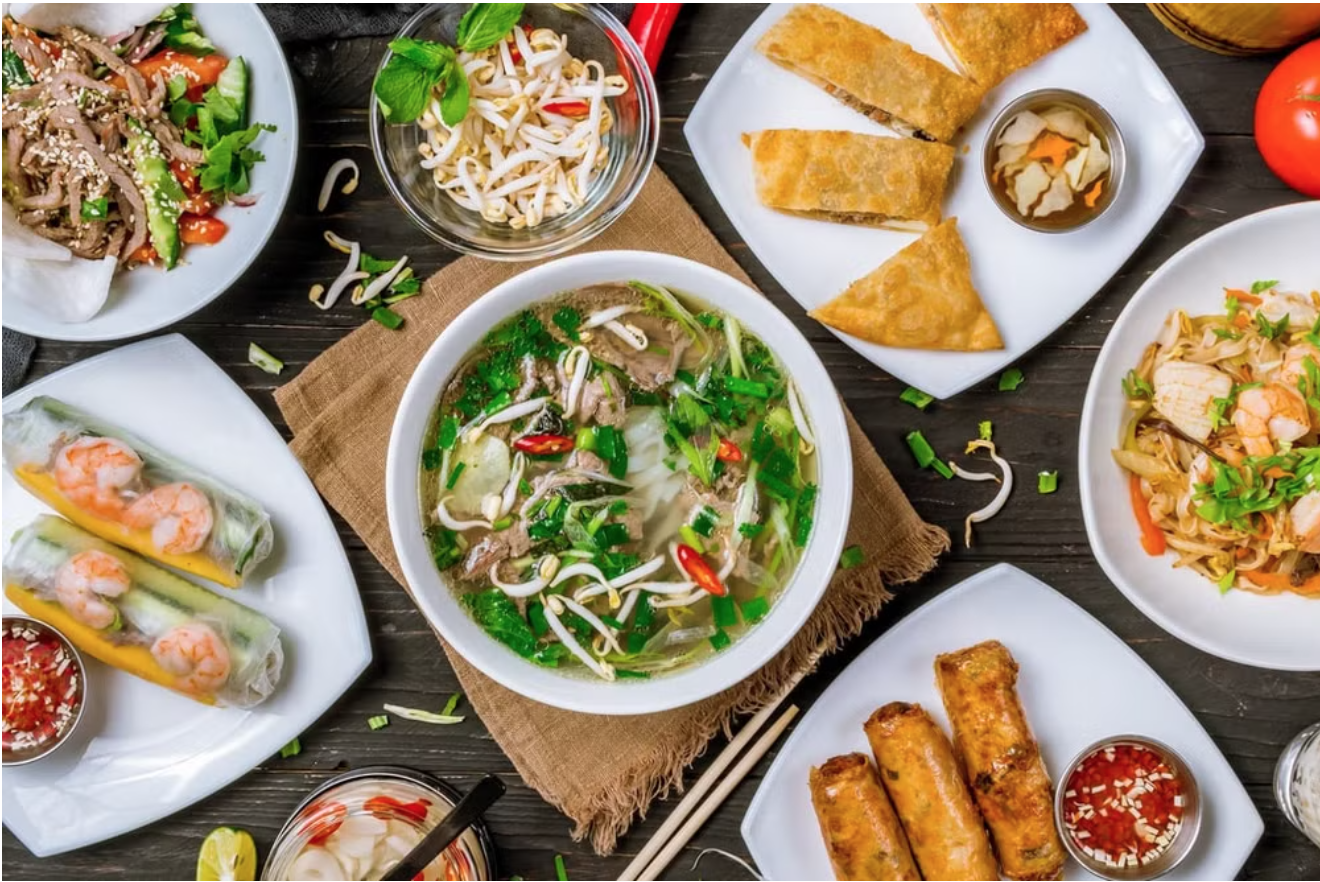
For today’s discerning travellers, seeing Vietnam is no longer enough. They want to feel it, taste it, and participate in it.
For international travel agents designing journeys for European and Middle Eastern clients, this shift creates an important opportunity: transforming conventional sightseeing into meaningful, interactive experiences that guests remember long after they return home.
The difference may be as simple as changing “visit a village” into “learn how local families live and create something with them.” Or replacing a standard meal with an opportunity to discover the ingredients, techniques, and stories behind Vietnamese cuisine.
When thoughtfully designed, culinary and hands-on experiences can turn a well-planned itinerary into a premium travel product with stronger emotional value, higher guest satisfaction, and greater potential for recommendations and repeat business.
From Seeing Vietnam to Experiencing Vietnam
Traditional sightseeing remains an essential part of any Vietnam itinerary. However, monuments, landscapes, and attractions can sometimes become passive experiences: guests observe, photograph, and move on.
Interactive activities create another layer.
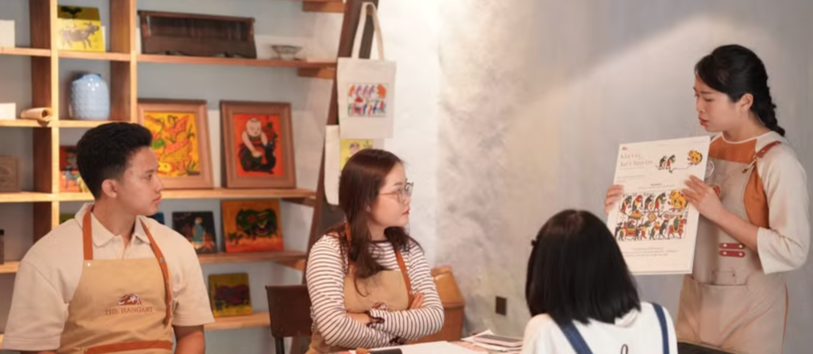
A cooking class, pottery workshop, or local boat journey allows travellers to become participants rather than spectators. They engage directly with the destination and create memories through their senses.
This is particularly relevant for premium travellers, who increasingly value authenticity, personal connection, and depth over simply accumulating attractions.
For travel agents, these experiences also provide a more compelling story to communicate to clients. Instead of selling a destination based only on what guests will see, the itinerary can be built around what they will do, learn, taste, and remember.
Culinary Experiences: Connecting Food with Culture
Vietnamese cuisine is one of the country’s strongest cultural assets, but a premium culinary experience goes beyond simply eating at a good restaurant.
Around Hoi An, for example, a visit to Tra Que Vegetable Village can become a hands-on journey into the relationship between farming and Vietnamese cuisine. 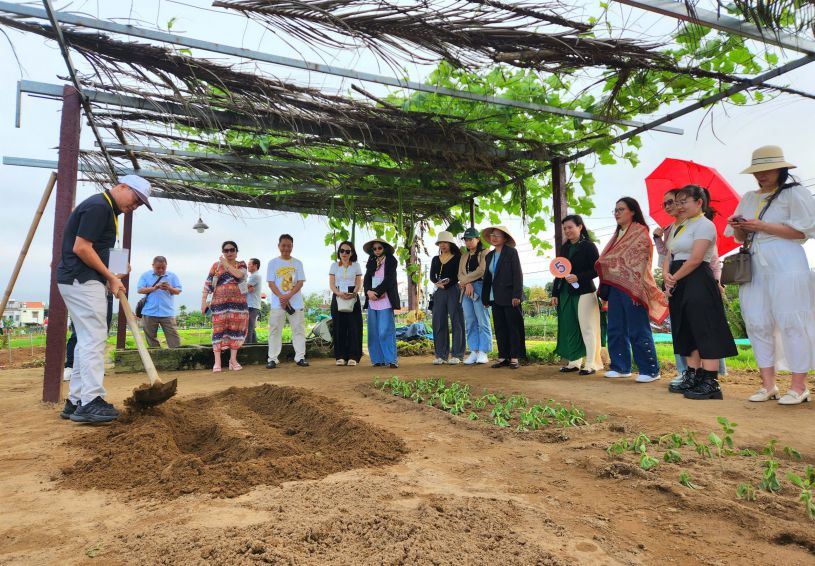
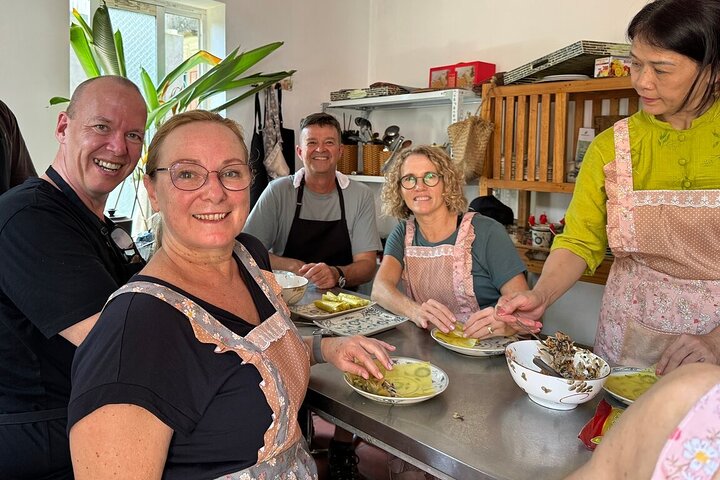
Travellers can participate in farming activities before joining a cooking class, discovering how local ingredients move from the soil to the kitchen. They can then learn to prepare dishes such as Tam Huu, Cao Lau, and Banh Xeo.
The value lies not only in the meal itself. Guests understand the ingredients, techniques, and traditions behind it. They leave with knowledge they can recreate at home—and, more importantly, a personal story connected to Hoi An.
For European and Middle Eastern markets, this type of experience can be particularly effective when positioned as an intimate cultural encounter rather than simply another cooking activity.
It also creates natural moments for interaction, photography, conversation, and sharing—elements that contribute significantly to how travellers remember a trip.
Hands-on Activities Create Deeper Cultural Connections
The same principle applies beyond food.
In Thanh Ha Village, travellers can try their hand at traditional pottery making. Rather than simply walking through a craft village and observing artisans at work, guests become involved in the creative process.
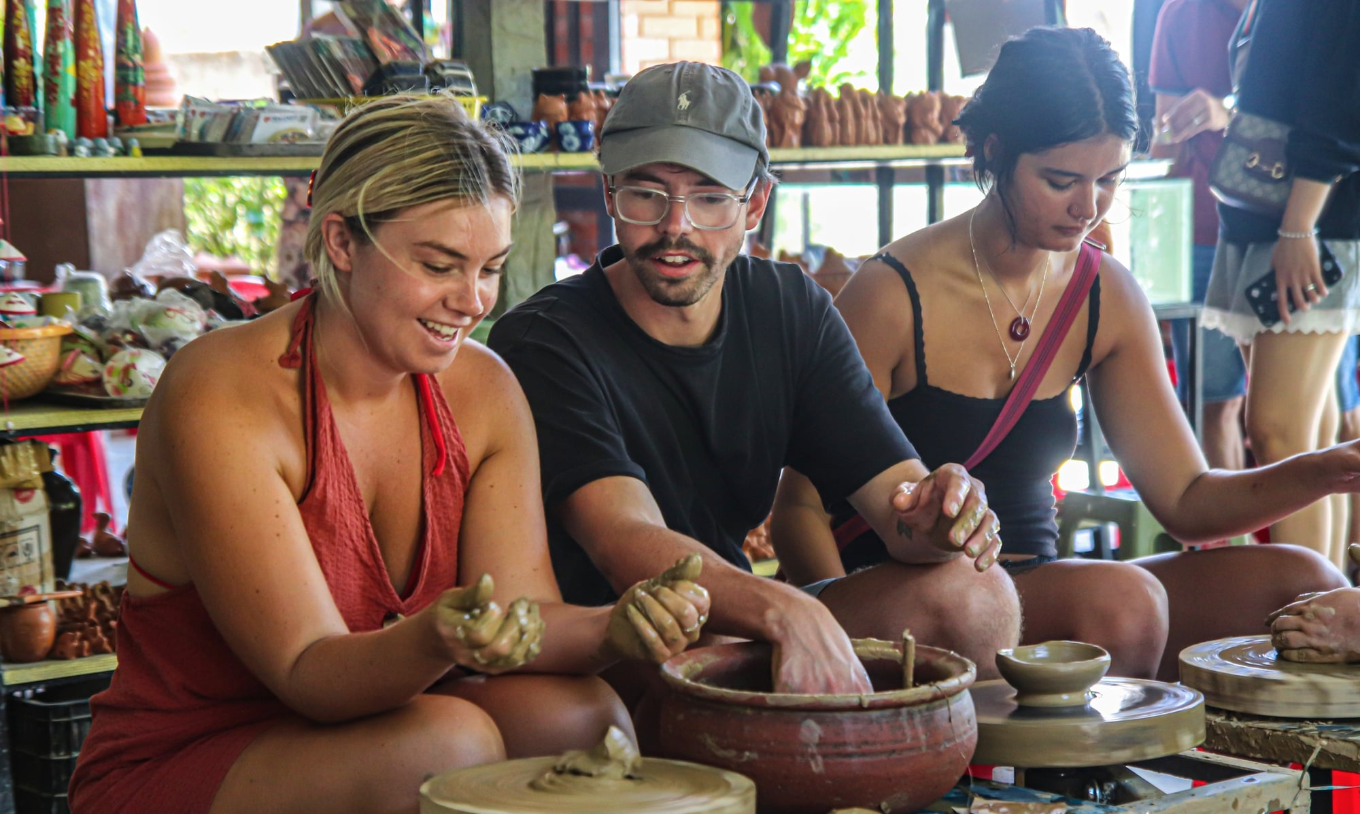
The result may not be perfect—and that is precisely the point.
Hands-on activities create an element of discovery and spontaneity that cannot be replicated through conventional sightseeing. Guests can meet local artisans, understand the patience and skill involved in traditional craftsmanship, and create something tangible to take away.
For a travel agent, this also adds variety to the itinerary. A journey combining heritage sites, landscapes, cuisine, and creative workshops feels more balanced and experiential than a schedule built entirely around guided visits.
The Mekong Delta: Turning a Destination into a Journey
The Mekong Delta offers another excellent example of how layered experiences can elevate an itinerary.
Rather than treating the Delta simply as a day trip by road and boat, the journey can unfold through a series of authentic local encounters.
A visit to a fruit orchard introduces travellers to the agricultural character of the region. At a local bee farm, guests can learn about honey production while enjoying honey tea. Later, travelling by rowing sampan through the water coconut creeks provides an entirely different perspective of the Delta.
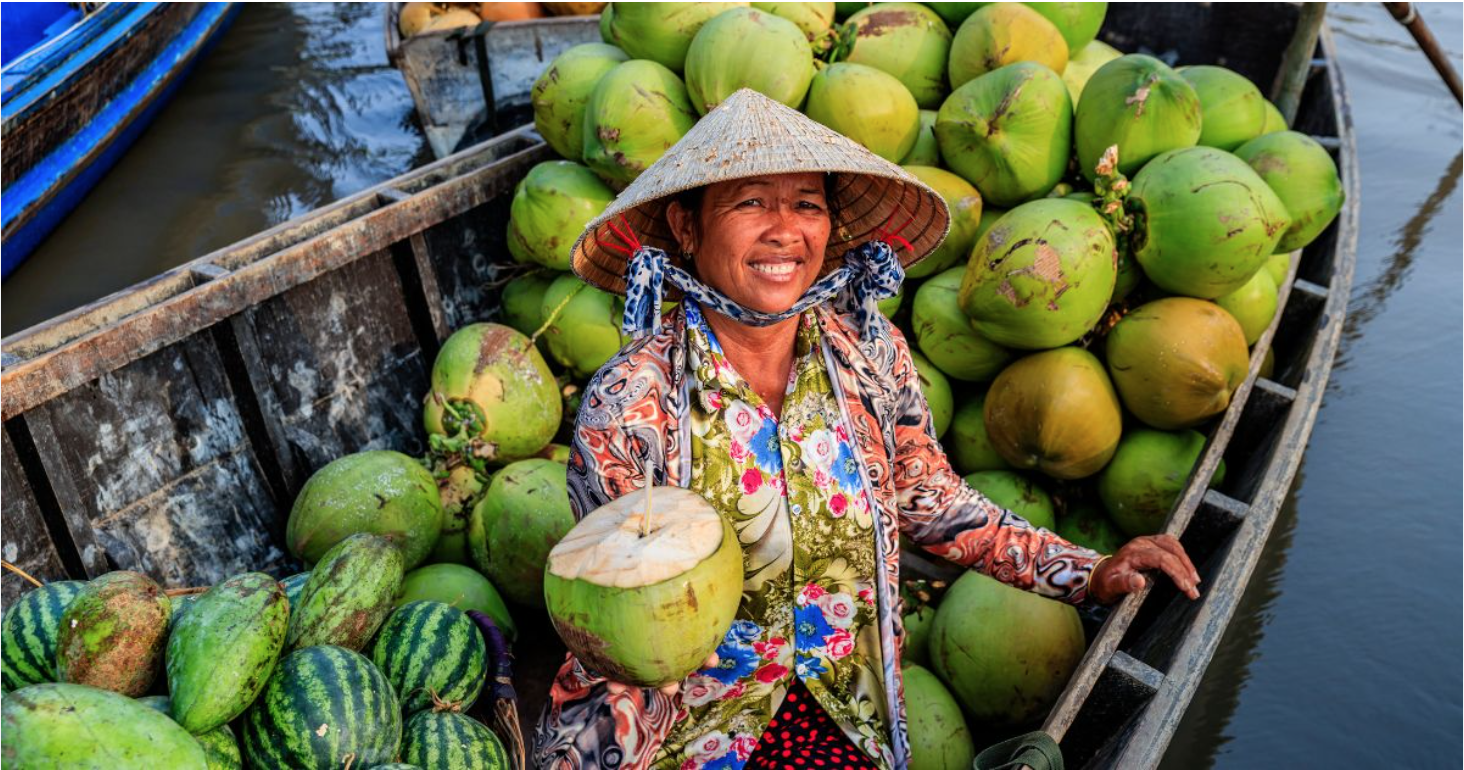
Individually, each activity is relatively simple. Together, they tell a much richer story.
Travellers experience how people live, work, farm, produce food, and navigate the waterways. The destination becomes more than a landscape viewed from a vehicle—it becomes a living environment that guests actively explore.
This approach is especially valuable when designing premium itineraries where the goal is not to maximise the number of attractions, but to maximise the quality and emotional impact of each experience.
Designing Experiences That Generate Referrals
Memorable experiences have an important commercial benefit for travel agents: they give travellers something worth talking about. Clients are more likely to share a story about making Banh Xeo with local ingredients, shaping their own pottery, or rowing quietly through Mekong water coconut creeks than simply recounting that they “visited another village.” These stories become natural referral drivers.
However, experiential travel requires careful product design. Timing, transportation, local hosts, language support, weather considerations, group size, meal arrangements, and contingency planning all need to work seamlessly behind the scenes.
The more authentic an experience appears to the guest, the more complex it can be operationally.
For international travel agents, the objective is not to manage every local supplier themselves. It is to have a trusted destination partner capable of coordinating the many details required to deliver authentic experiences consistently and professionally. A reliable DMC such as An Vui Travel can help connect international agents with carefully selected local experiences while coordinating transportation, guides, timing, suppliers, and on-the-ground logistics.
The ultimate goal is simple: the traveller should experience spontaneity and authenticity, while the travel agent experiences reliability and control. When culinary encounters, traditional crafts, local communities, and immersive transportation are thoughtfully connected, a Vietnam itinerary becomes more than a collection of sightseeing stops. It becomes a journey with texture, personality, and stories—exactly the kind of journey that guests remember, recommend, and talk about long after they return home.
🔗 Let’s connect and grow together!
Headquarters / Sales Hub: 5th Floor, H&N Building, 329, 331 Hoang Quoc Viet Street, Cau Giay District, Hanoi, Vietnam.
Operation Offices: Vietnam (Hanoi, Danang, Ho Chi Minh), Laos (Vientiane), Cambodia (Siem Reap), Myanmar (Yangon), Thailand (Bangkok).