 French
  English
  German
  Italian
  Spanish
  Portuguese
  Japanese
  Korean
  Chinese
  Arabic
How Is Traveler Behavior Changing in 2026?
Traveler behavior in 2026 is undergoing a structural shift, shaped by tourism recovery, digital influence, and evolving expectations. According to the Vietnam National Authority of Tourism, Vietnam recorded approximately 17.5 million international visitors in 2025, representing strong year-on-year growth, while domestic travel reached around 135 million trips, continuing to act as a key driver of the industry.
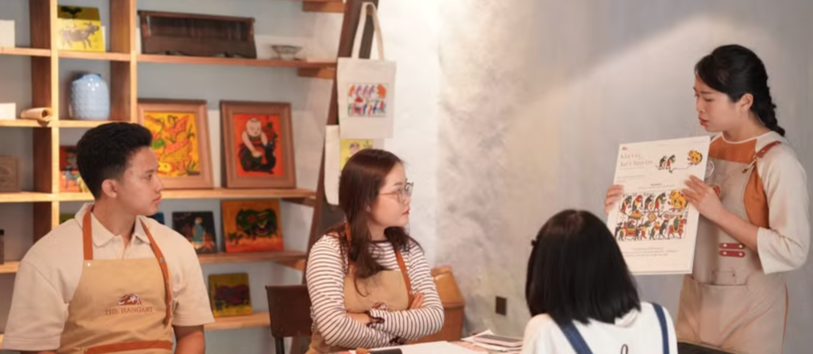
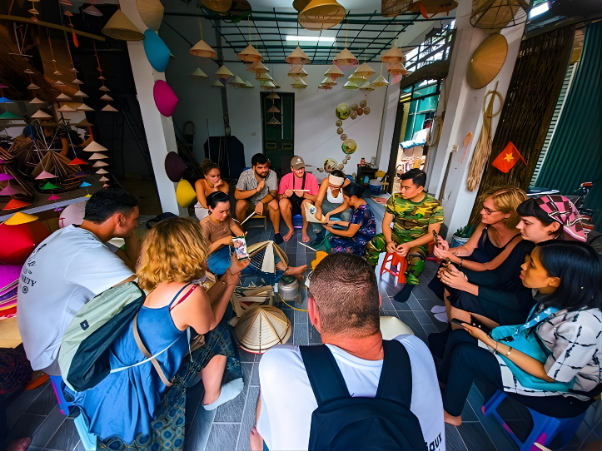
A clear shift toward experience-driven travel is redefining how journeys are planned and consumed. Rather than focusing on visiting multiple attractions within a limited timeframe, travelers now prioritize depth, including culinary exploration, cultural immersion, and local interaction. This shift is driven by a broader change in consumer mindset, where travel is increasingly seen as a form of personal enrichment and self-expression rather than simply a leisure activity.
Booking behavior is also evolving, with travelers showing a tendency toward shorter booking windows and more flexible travel planning. This reflects a desire for spontaneity and adaptability, particularly among younger segments.
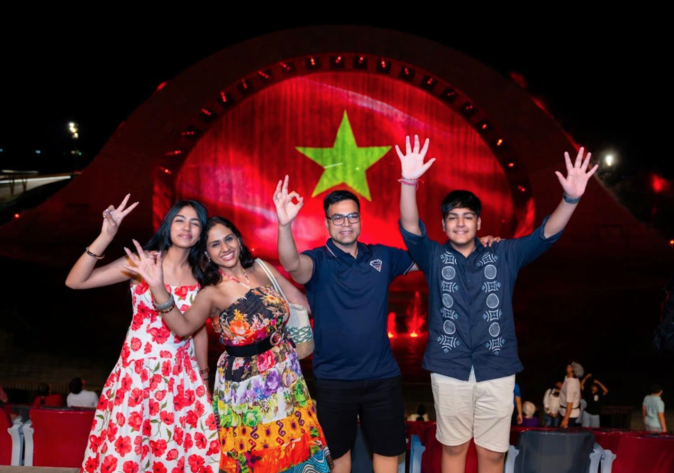
Different traveler segments are contributing to this shift in distinct ways. Gen Z travelers prioritize flexibility, unique experiences, and shareable content, while families tend to focus on convenience and safety. Premium travelers, on the other hand, are increasingly seeking exclusivity and highly personalized services.
Another notable trend is the growing preference for emerging and less crowded destinations. Travelers are actively seeking alternatives to mass tourism hotspots, favoring authenticity, natural environments, and a slower pace. These changes are not only influencing where people travel, but also how travel products are designed and delivered.
Sources:
- https://vietnamtourism.gov.vn/en
- https://vietnamnews.vn/travel
- https://en.vietnamplus.vn/travel/
- https://vietnam.travel/media-industry
What Do Modern Travelers Really Want?
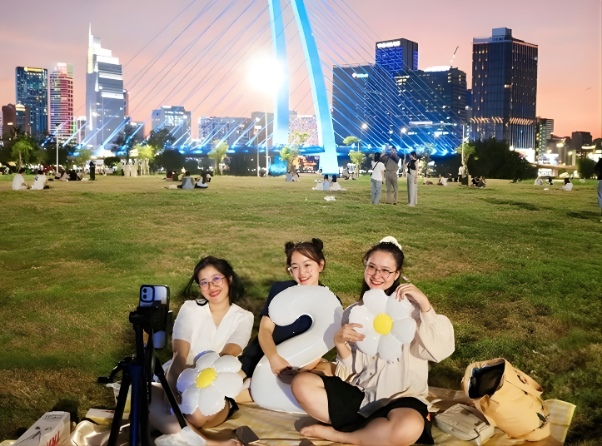
Modern travelers are no longer satisfied with simply visiting destinations; they are increasingly seeking meaningful and personalized experiences. Travel has become a way for individuals to express identity, create memorable moments, and share their journeys through digital platforms. This is particularly evident among younger travelers, who value authenticity and social connection over traditional sightseeing.
At the same time, the abundance of travel options available online has made decision-making more complex. Many travelers feel overwhelmed by the number of choices, leading to a growing demand for curated and trustworthy travel solutions. Concerns about overcrowding and inauthentic experiences are also pushing travelers toward less touristy destinations and more locally immersive activities.
These evolving expectations highlight the importance of understanding not just how travelers behave, but why they make those decisions.
How Is Technology Reshaping Traveler Behavior?
Technology is playing an increasingly central role in shaping traveler behavior, transforming how trips are discovered, planned, and booked. Digital platforms are no longer just sources of information but key drivers of travel inspiration and decision-making. Travelers now rely heavily on online content to evaluate destinations, compare experiences, and make purchasing decisions.
Short-form video platforms such as TikTok are significantly influencing travel discovery, with visually engaging content driving destination awareness and demand. At the same time, online reviews and booking platforms play a critical role in building trust and guiding final decisions.
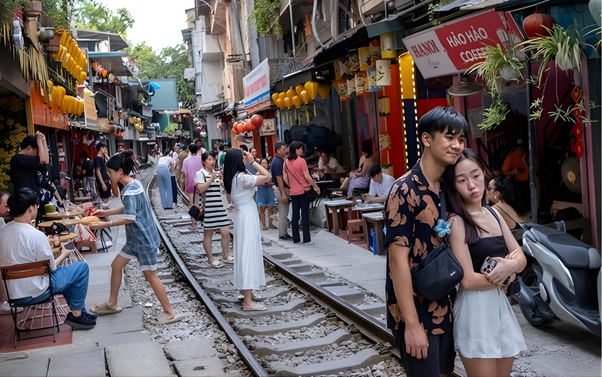
In addition, data-driven personalization is becoming increasingly important. Travelers expect recommendations that match their preferences, behavior, and travel history. This shift toward personalized and digital-first experiences requires travel agents to integrate technology into both marketing strategies and product design in order to remain competitive.
Sources:
- https://e.vnexpress.net/news/travel
- https://vietnam.travel/media-industry
- https://vietnamnews.vn/travel
What Benefits Can Travel Agents Gain from These Trends?
The evolution of traveler behavior creates clear commercial opportunities for travel agents. As demand shifts toward experience-based travel, agents can introduce products such as food tours, cultural activities, and local experiences, which allow greater pricing flexibility and improved margins. In many cases, these offerings generate 15–30% higher revenue per booking compared to traditional packages, directly improving return on investment (ROI).
At the same time, travelers are demonstrating a higher willingness to spend on unique and memorable experiences, even when overall travel budgets remain controlled. Experience-related spending is becoming a larger share of total travel expenditure, creating favorable conditions for upselling and cross-selling strategies.
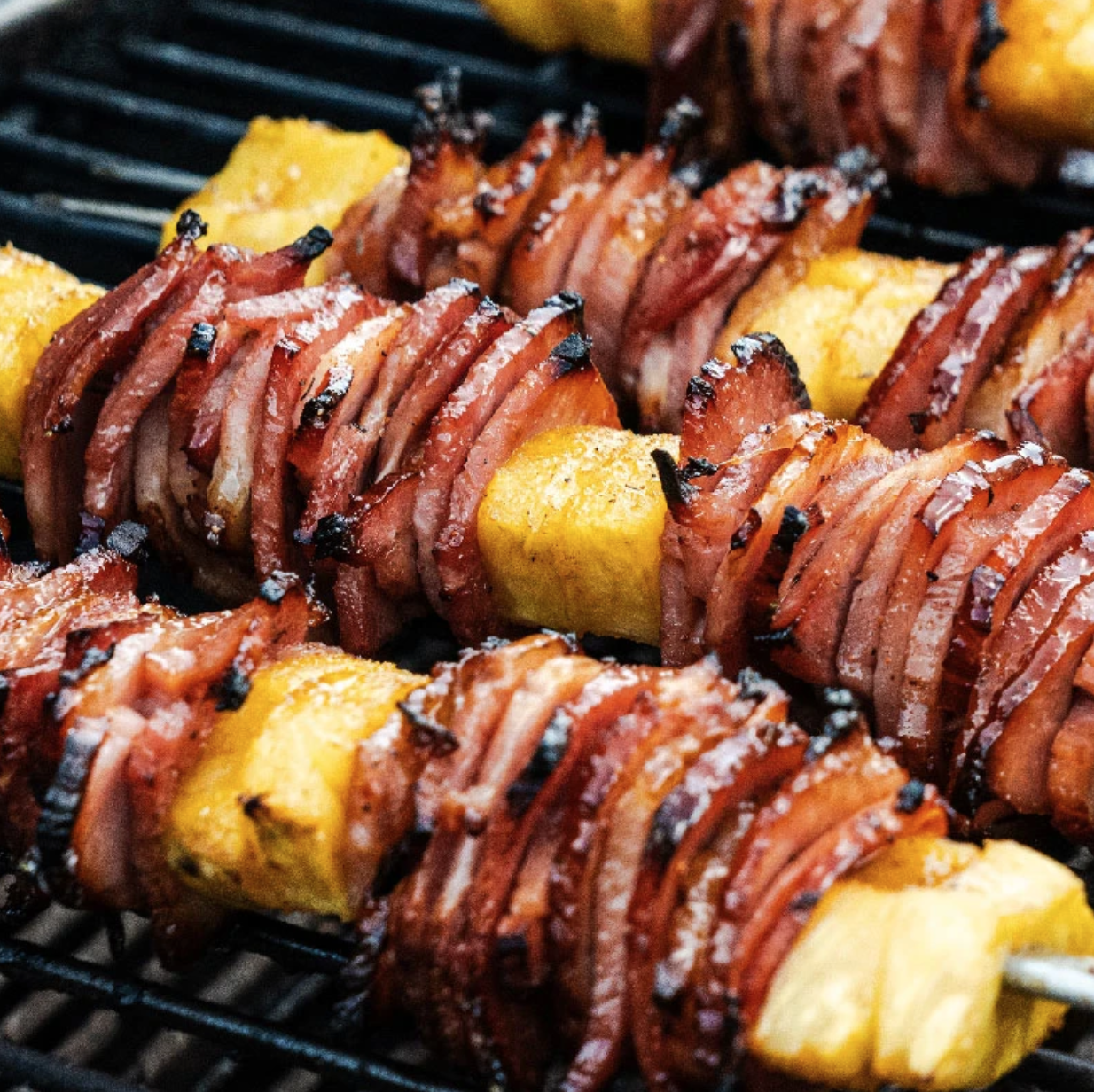
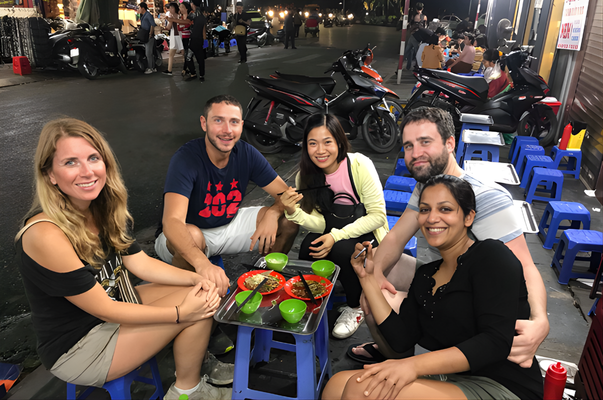
For example, food tours in cities like Hanoi are seeing growing demand, as travelers increasingly choose to explore destinations through cuisine rather than traditional sightseeing.
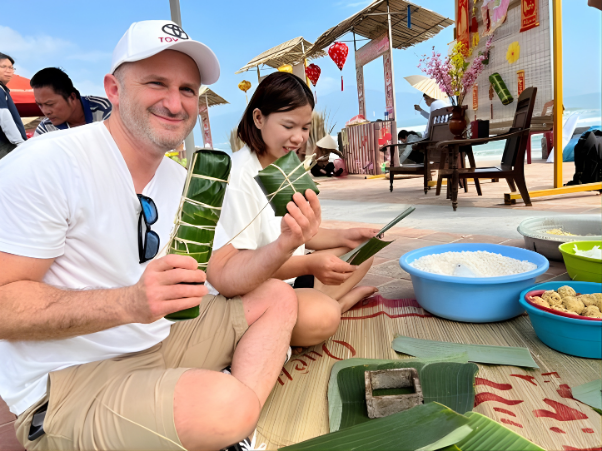
In addition, personalization significantly enhances customer satisfaction and long-term loyalty. Travelers who receive tailored experiences are more likely to leave positive reviews, recommend services, and return for future bookings. Conversely, agents that fail to adapt risk losing relevance in an increasingly competitive and experience-driven market.
Sources:
- https://vietnamtimes.org.vn/travel
- https://vietnamtourism.gov.vn/en
- https://vietnam.travel/media-industry
What Challenges Should Travel Agents Be Aware Of?
While these trends create new opportunities, they also introduce operational and strategic challenges. The growing demand for personalization requires greater flexibility in product development and service delivery, which can increase complexity and resource requirements.
At the same time, competition is intensifying as more travel companies shift toward experience-based offerings, making differentiation more difficult. Rapidly changing consumer preferences, driven by digital platforms, also create uncertainty in demand patterns and require continuous adaptation.
To remain competitive, travel agents must balance innovation with operational efficiency while maintaining consistent service quality.
Why Is Anvui the Right Partner to Capture These Trends?
Anvui is strategically positioned to support travel agents in responding to these shifts through its operational model and strong local expertise. As a direct operator, the company provides competitive pricing and flexibility in product development, enabling partners to adapt quickly to changing market demands.
With in-depth knowledge of local destinations, Anvui develops experience-based itineraries that align closely with current traveler preferences, including culinary, cultural, and community-driven experiences. This positioning allows partners to respond more effectively to the growing demand for personalized and experience-driven travel.
In addition, the company offers customizable solutions tailored to different customer segments, from Gen Z travelers to premium clients. Continuous operational support ensures consistency in service delivery and responsiveness throughout the customer journey, allowing partners to scale efficiently while maintaining quality.
How Should Travel Agents Adapt Their Strategy in 2026?
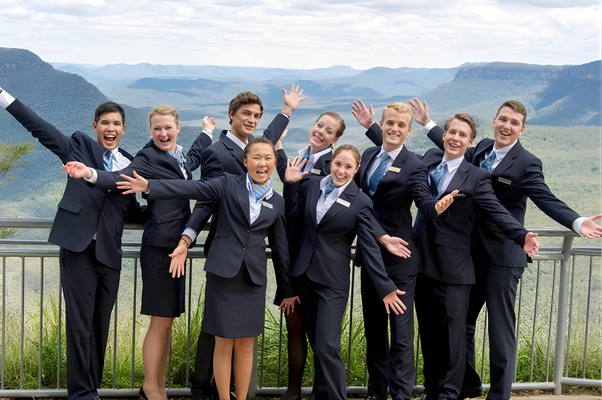
To remain competitive in 2026, travel agents must shift from a product-focused approach to a more flexible, experience-oriented strategy. Traditional fixed tour packages may no longer be sufficient to meet evolving expectations, requiring agents to redesign their product structures and pricing models.
Instead, agents should develop modular travel programs that allow personalization and customization, enabling them to better meet diverse customer needs. At the same time, digital platforms play a central role in influencing travel decisions, particularly among younger audiences. Showcasing real and engaging experiences through platforms such as TikTok can significantly improve customer engagement and trust.
Focusing on emerging destinations and integrating local experiences into product offerings can also help diversify portfolios and reduce reliance on saturated markets. Leveraging customer data to understand preferences and behavior enables more targeted and relevant travel solutions. This requires a shift not only in product design, but also in mindset—from selling tours to curating experiences.
Sources:
- https://vietnamnews.vn/travel
- https://e.vnexpress.net/news/travel
- https://vietnam.travel/media-industry
Which Travel Packages Align with These New Trends?
To align with evolving traveler behavior, travel agents should prioritize experience-driven packages that emphasize authenticity, flexibility, and personalization. Food-focused itineraries in major cities remain highly attractive, while multi-destination journeys that combine cultural, natural, and experiential elements provide a more comprehensive experience.
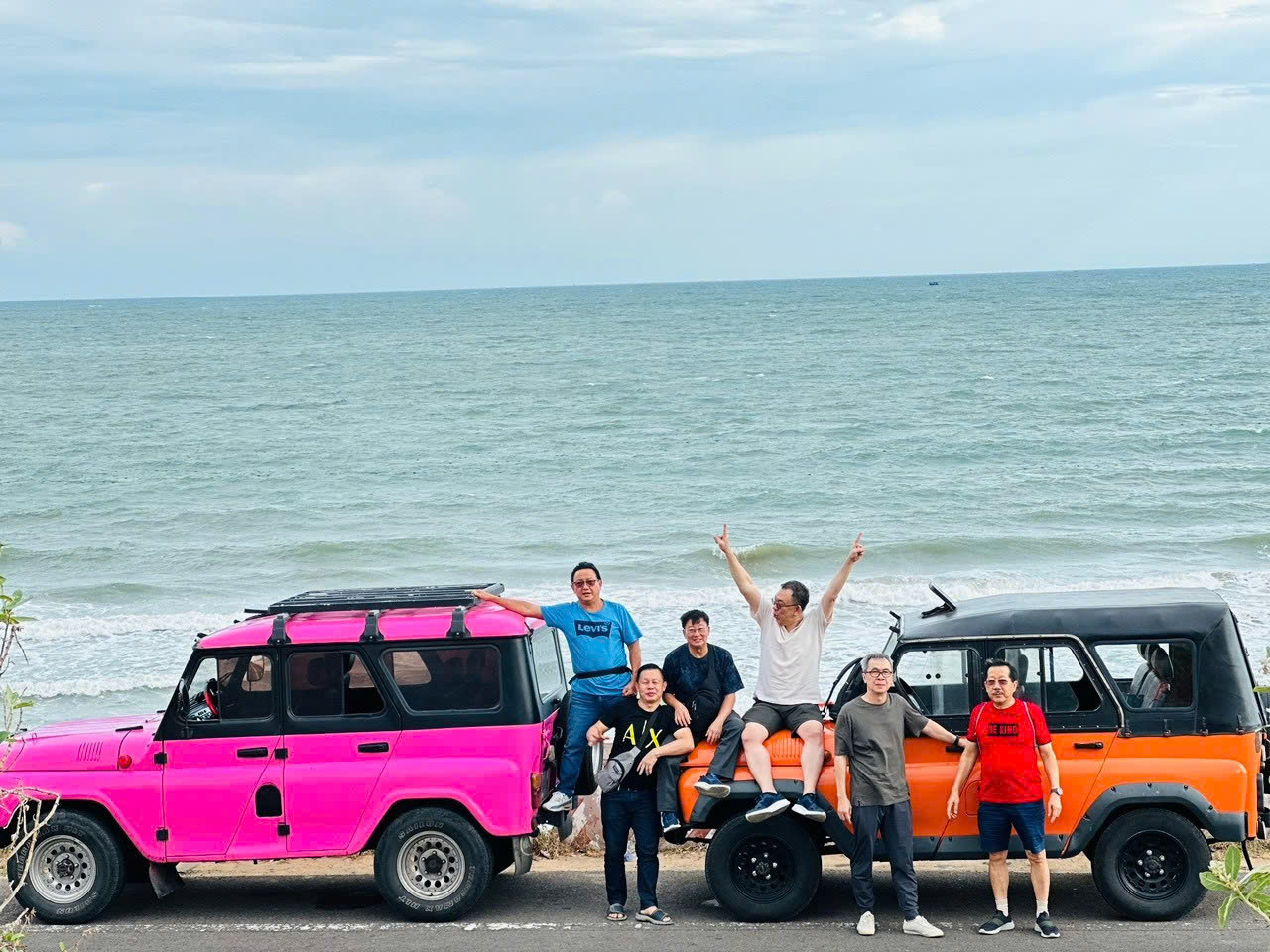
Customized itineraries are becoming a standard expectation, reflecting the growing demand for tailored travel experiences. At the same time, emerging destinations such as Mui Ne or the Mekong Delta are gaining attention due to their authenticity and lower crowd density, positioning them as strong alternatives to traditional tourist hotspots.
How Can Partners Start Leveraging These Opportunities?
To effectively leverage these trends, travel agents should begin by reviewing their existing product portfolio and identifying opportunities to integrate more experience-based elements. This may involve redesigning itineraries, enhancing flexibility, and incorporating local activities that add value to the overall travel experience.
At the same time, strengthening internal capabilities, particularly in sales and marketing, is essential. By adopting a more customer-centric and personalized approach, agents can improve conversion rates and build stronger relationships with their clients. As traveler expectations continue to evolve, the ability to adapt quickly and deliver meaningful, experience-driven products will become a key competitive advantage in an increasingly competitive and rapidly evolving market.
🔗 Let’s connect and grow together! Visit us at
Headquarter / Sales Hub: Room 702, H&N Building, 329-331 Hoang Quoc Viet Street, Cau Giay District, Hanoi, Vietnam.
Bureaux d'opération: Vietnam (Hanoi, Danang, Ho Chi Minh), Laos (Vientiane), Cambodia (Siem Reap), Myanmar (Yangon), Thailand (Bangkok)
E-mail: info@anvuitravel.com
Cellphone No. (Hotline): +84 912 683 908 (Whatsapp, Telegram, Viber)
Fanpage: https://www.facebook.com/anvuitravel84/
Tiktok: https://www.tiktok.com/@anvuitravel
Instagram: https://www.instagram.com/anvuitravel/
Linkin: https://www.linkedin.com/company/anvui-travel/about/?viewAsMember=true
Web: https://anvuitravel.com
✨ Together, let’s make travel extraordinary! ✈️
Hashtag: #anvuitravel #traveltovietnam #tourtovietnam #govietnam #vietnamtour #vietnamvisa