 Spanish
  English
  French
  German
  Italian
  Portuguese
  Japanese
  Korean
  Chinese
  Arabic
Summary:
Vietnam is increasingly becoming one of Asia’s most exciting culinary destinations in 2026, as its food culture continues to surprise and impress international travelers. While many visitors initially expect only a few iconic dishes, they quickly discover a diverse, regional, and deeply rooted culinary tradition that reflects daily life, culture, and history. From morning bowls of pho and vibrant street food scenes to a growing fine dining landscape and unique coffee culture, Vietnam offers a balance of authenticity, creativity, and exceptional value. Combined with strong food tourism trends and experience-driven travel demand, Vietnamese cuisine is not only shaping how visitors experience the country but also becoming a key reason why many choose to return.
Why Does Food in Vietnam Surprise So Many International Travelers?
For many first-time visitors, Vietnam is the place where expectations about food are completely rewritten.
Many foreign visitors arrive expecting only a few globally known dishes such as pho, banh mi, or fresh spring rolls. What surprises them is how quickly they discover Vietnamese cuisine is far deeper, more regional, and more memorable than expected.
This gap between expectation and reality is what makes Vietnam’s food experience particularly powerful. Travelers do not just discover new dishes they discover an entirely different way of eating, socializing, and experiencing daily life.
In Vietnam, food is not simply something travelers consume between attractions, it is often one of the main reasons they fall in love with the country. From sunrise noodle breakfasts on busy sidewalks to seafood dinners by the coast, eating here feels closely tied to everyday life, community, and place.
Vietnam’s culinary reputation continues to rise internationally. The Michelin Guide has expanded its Vietnam selections, while global travel media increasingly highlight the country as one of Asia’s most exciting food destinations.
For many visitors, Vietnam becomes the trip where they expected to remember the sights but ended up talking most about the meals.
Sources:
https://www.nationalgeographic.com/travel/article/taste-of-vietnam-tuey-diem-pham
https://guide.michelin.com/vn/en
https://www.nationalgeographic.com/travel/article/pho-soup-history-vietnam
Why Are Foreigners Surprised That Pho Is Often Breakfast?
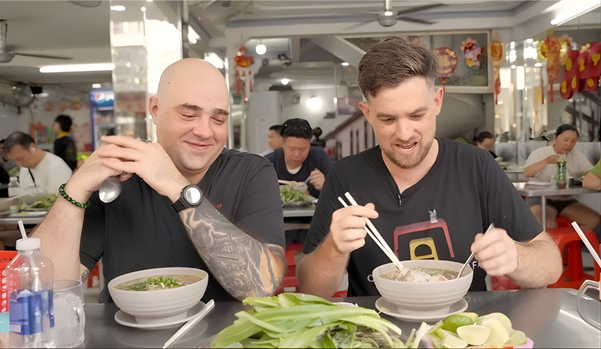
One of the earliest surprises for many visitors is learning that pho is commonly eaten in the morning.
While many international travelers associate noodle soup with lunch or dinner, Vietnamese locals often begin the day with pho, bun, or other hot noodle dishes. Clear broth, fresh herbs, rice noodles, and sliced meat create a meal that feels comforting yet light enough for breakfast.
This habit is closely tied to Vietnam’s daily rhythm and climate. A hot, broth-based breakfast provides hydration, warmth, and energy without heaviness, making it well-suited to humid conditions and early working hours. For many travelers, this is the first realization that Vietnamese food culture is shaped as much by environment as by taste.
Sitting on a small stool in the early morning, eating a steaming bowl while the city wakes up, often becomes one of the most memorable moments of a Vietnam trip.
Sources:
https://edition.cnn.com/travel/article/vietnam-street-food/index.html
https://www.eater.com/2016/2/16/10982834/pho-history-vietnam
Why Does Vietnamese Food Feel So Fresh and Balanced?
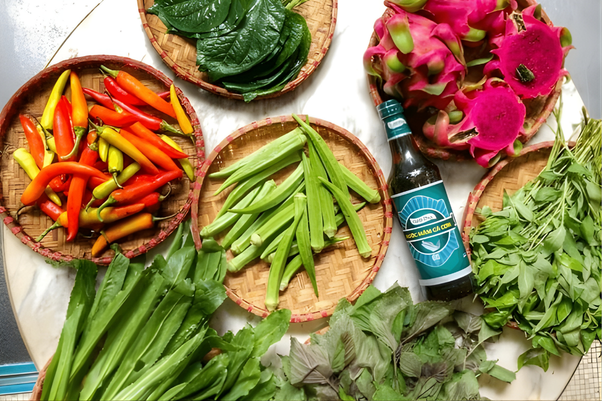
Many foreigners are impressed by how satisfying Vietnamese food can be without feeling overly heavy.
Rather than relying heavily on butter, cream, or rich sauces, Vietnamese cuisine often builds flavor through herbs, lime, garlic, fish sauce, broths, grilled meats, pickled vegetables, and contrasting textures. Sweet, sour, salty, spicy, and umami notes often appear in the same meal.
Fresh herbs are another pleasant surprise. Basil, mint, coriander, lettuce, perilla, and local greens are commonly served generously, allowing diners to customize flavor and texture.
This balance reflects a broader culinary philosophy in Vietnam, where meals are designed to harmonize texture, temperature, and nutrition. Instead of focusing on one dominant flavor, Vietnamese cuisine often creates equilibrium across the dining experience.
The result is food that feels vibrant rather than heavy—one reason travelers frequently find themselves eating multiple times a day while still feeling comfortable and energized.
Source:
https://www.timeout.com/vietnam/restaurants/best-vietnamese-food
Why Are Meals in Vietnam So Affordable Compared With Expectations?
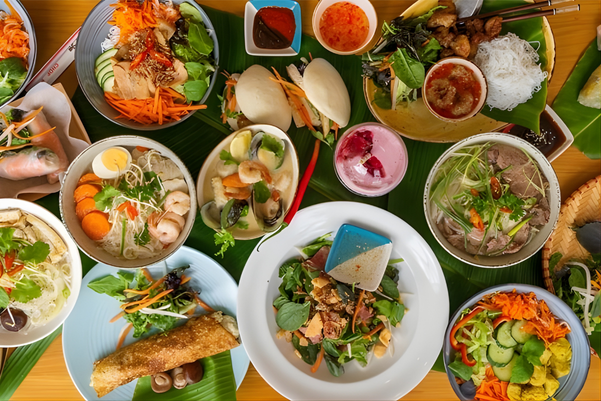
Another major surprise is how much quality travelers can enjoy for relatively modest spending.
In many destinations, visitors expect tourist-zone pricing or average meals sold at premium rates. In Vietnam, travelers often find that flavorful noodle dishes, grilled seafood, fresh coffee, desserts, and authentic local meals remain highly accessible. In many cities, a bowl of pho can still cost around US$2–4, while local coffee often remains under US$2, giving travelers unusually high everyday value.
This affordability is supported by strong local supply chains, widespread access to fresh ingredients, and a dining culture that prioritizes turnover and volume rather than high margins per customer.
Even upscale restaurants, rooftop dining, and chef-led tasting menus can often cost significantly less than equivalent experiences in cities such as Singapore, Tokyo, or Sydney.
Vietnam also continues to maintain competitive living and dining costs relative to many regional travel hubs, reinforcing its appeal as a high-value destination.
This creates one of Vietnam’s strongest travel advantages: guests can try more, eat more often, and explore more freely without feeling financially restricted.
Source:
https://www.worldbank.org/en/country/vietnam/overview
Why Does Vietnam’s Street Food Impress Visitors So Much?
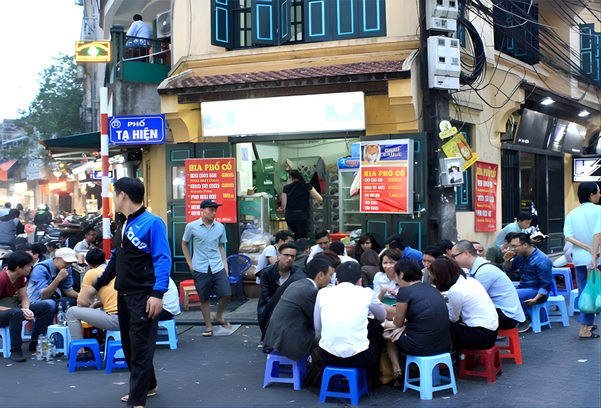
Many travelers are surprised that some of their best meals in Vietnam happen on sidewalks rather than inside expensive restaurants.
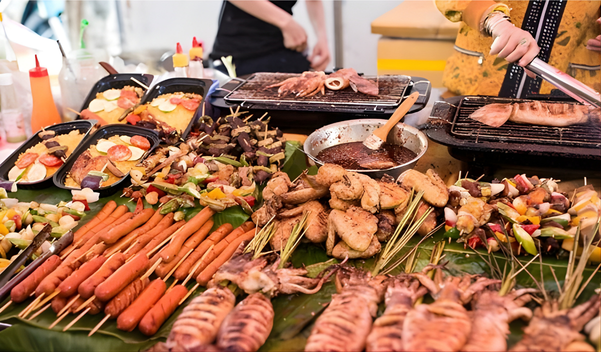
Street food in Vietnam is not simply a tourist attraction—it is part of everyday life. Morning pho stalls, lunchtime rice shops, banh mi carts, grilled seafood stands, and late-night noodle vendors serve locals daily.
Visitors are often impressed by the speed, confidence, and consistency of vendors who may focus on only one or two dishes perfected over many years.
For many first-time visitors, the idea that some of the best meals are found on sidewalks challenges deeply held assumptions about hygiene, quality, and dining standards. Yet this contrast often becomes one of the most memorable parts of the journey.
The atmosphere also matters. Plastic stools, open-air kitchens, fast service, and the sound of city life create a dining experience that feels immediate and authentic.
For many travelers, their best meal in Vietnam does not come from a reservation—but from a plastic stool on a busy street corner.
Why Is Coffee Culture in Vietnam Such a Big Surprise?
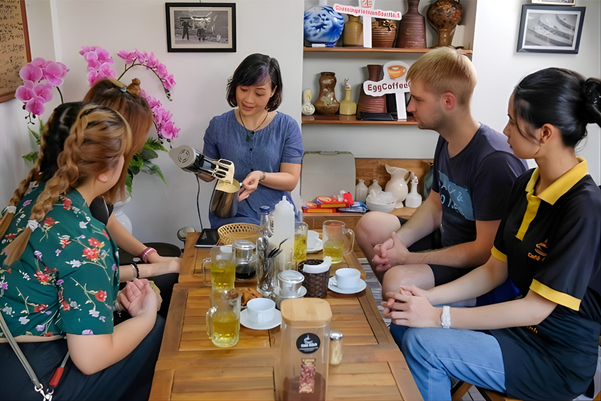
Many visitors arrive expecting strong coffee but leave amazed by how creative and culturally important Vietnam’s café scene has become.
Vietnam is the world’s second-largest coffee exporter by volume, helping shape a coffee culture that is both globally significant and locally distinctive. Over time, local coffee culture has evolved into something highly distinctive. Egg coffee, coconut coffee, yogurt coffee, salted coffee, bạc xỉu, and slow-drip iced coffee are just a few examples that surprise first-time visitors.
Cities such as Hanoi, Ho Chi Minh City, and Da Nang now offer heritage cafés, hidden alley cafés, specialty roasters, rooftop lounges, and design-led social spaces.
Unlike in many countries where coffee is consumed quickly, Vietnam’s café culture encourages slowing down. Cafés function as social hubs, workspaces, meeting points, and creative environments, making them an integral part of urban life rather than just a stop for caffeine.
For many younger travelers, café-hopping becomes as important as sightseeing.
Why Are Travelers Shocked That Every Region Tastes Different?
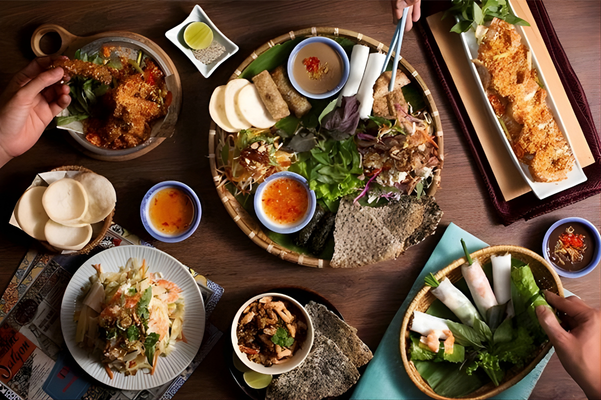
Another discovery for many visitors is how dramatically flavors can change across the country.
Northern Vietnam often favors cleaner, more delicate flavors and clearer broths. Central Vietnam is known for bolder seasoning, chili heat, and imperial culinary traditions. Southern Vietnam often features sweeter notes, tropical ingredients, and abundant produce.
These differences are shaped by history, geography, and cultural influences. Northern cuisine reflects subtlety and restraint, central cuisine carries traces of royal heritage, while southern cuisine is influenced by fertile land and trade, resulting in richer and more varied ingredients.
This means pho in Hanoi can feel entirely different from pho in Ho Chi Minh City. Banh xeo, bun bo, or even dipping sauces can also vary noticeably from one region to another.
For travelers moving from north to south, eating in Vietnam can feel like discovering multiple cuisines within one country.
Source:
https://guide.michelin.com/vn/en/article/features/vietnam-101-regional-cuisine-in-vietnam-explained
Why Are Foreigners Surprised That Vietnam Now Has Fine Dining Too?
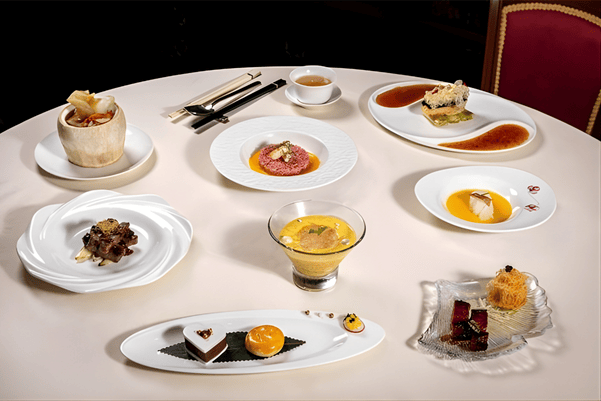
Many travelers still associate Vietnam mainly with street food. They are often surprised to discover a fast-growing fine dining scene as well.
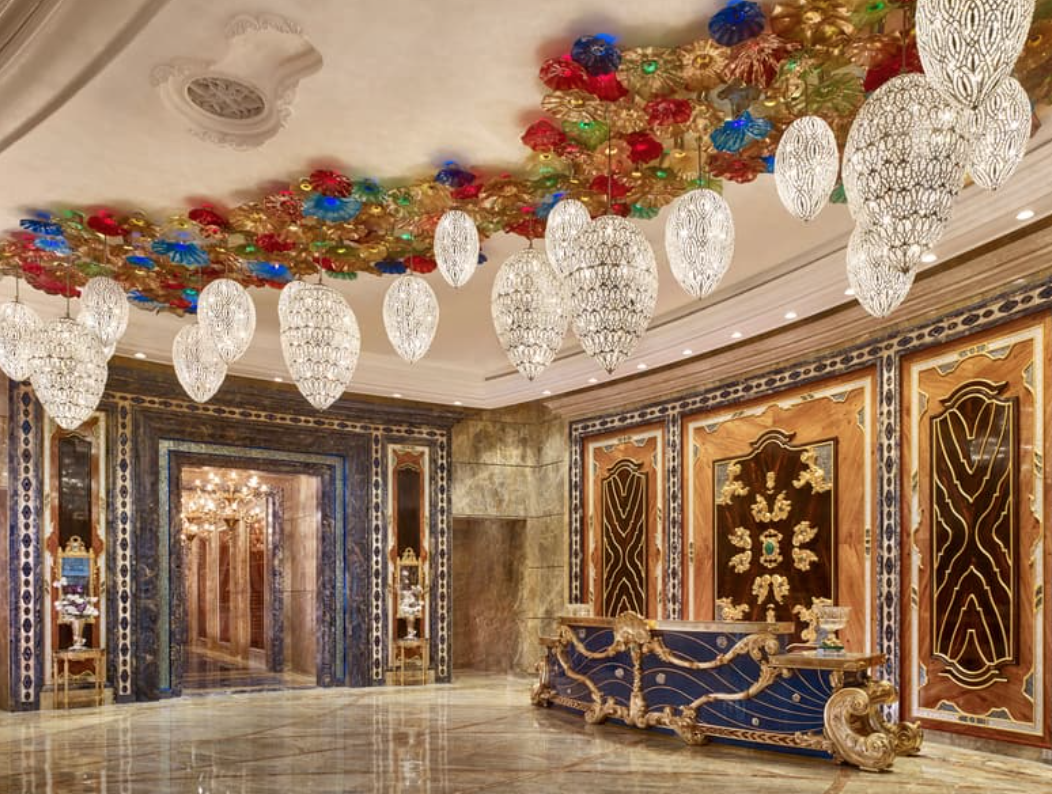
Hanoi and Ho Chi Minh City now feature chef-led tasting menus, cocktail bars, design restaurants, luxury hotel dining, and Michelin-recognized venues that combine Vietnamese ingredients with modern techniques and global presentation standards.
The emergence of fine dining signals a broader transformation—from a street-food-dominated perception to a more complete culinary ecosystem. This allows Vietnam to appeal to a wider range of travelers, from backpackers to high-end luxury guests.
Travelers can enjoy banh mi on the street for lunch, then experience a sophisticated multi-course dinner the same evening an experience few destinations can match.
As Michelin recognition expands and culinary talent grows, Vietnam’s premium dining reputation is likely to strengthen further.
Source:
Why Is Food Helping Vietnam Win More International Tourists?
Globally, travelers increasingly choose destinations based on experiences rather than landmarks alone. Food has become one of the strongest motivators in travel decisions.
Research from Booking.com shows many travelers are prioritizing experience-led trips, where culture, authenticity, and interaction matter more than traditional sightseeing.
Vietnam welcomed 17.6 million international visitors in 2025, according to official tourism figures, marking a strong recovery and reinforcing rising demand for experience-led travel across the country.
Globally, food tourism remains one of the fastest-growing segments of the travel industry, and Vietnam aligns naturally with this trend.
Cooking classes, market tours, café culture, night markets, chef tables, seafood feasts, and regional tastings all create emotional and memorable travel experiences.
For many visitors, food becomes the reason to return not just something they happened to enjoy.
Why Does Eating in Vietnam Feel Different From Anywhere Else?
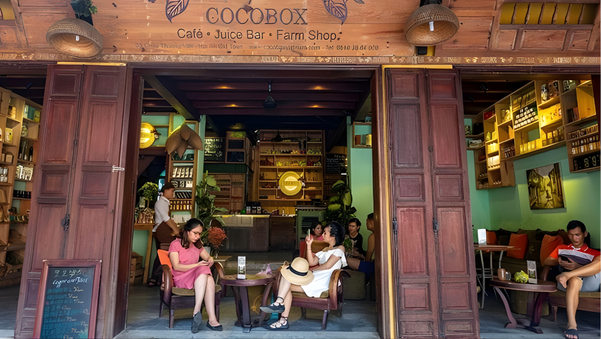
Many countries offer good food. Vietnam stands out because food is woven into daily life at every level.
Breakfast on sidewalks, fresh markets, midday noodle shops, afternoon café culture, family-style dinners, and late-night snacks all exist within the same daily rhythm.
In Vietnam, food is not simply consumed – it is experienced, shared, and remembered. It reflects the country’s rhythm, culture, and identity.
That is why what begins as surprise often turns into attachment, and why many travelers return not just for the destination, but for the flavors that define it.
In 2026, Vietnam is not only one of Asia’s most exciting places to visit – it is one of the most rewarding places to eat.
🔗 Let’s connect and grow together! Visit us at
Headquarter / Sales Hub: Room 702, H&N Building, 329-331 Hoang Quoc Viet Street, Cau Giay District, Hanoi, Vietnam.
Oficinas de operaciones: Vietnam (Hanoi, Danang, Ho Chi Minh), Laos (Vientiane), Cambodia (Siem Reap), Myanmar (Yangon), Thailand (Bangkok)
Email: info@anvuitravel.com
Cellphone No. (Hotline): +84 912 683 908 (Whatsapp, Telegram, Viber)
Fanpage: https://www.facebook.com/anvuitravel84/
Tiktok: https://www.tiktok.com/@anvuitravel
Instagram: https://www.instagram.com/anvuitravel/
Linkin: https://www.linkedin.com/company/anvui-travel/about/?viewAsMember=true
Web: https://anvuitravel.com
✨ Together, let’s make travel extraordinary! ✈️
Hashtag: #anvuitravel #traveltovietnam #tourtovietnam #govietnam #vietnamtour