 Spanish
  English
  French
  German
  Italian
  Portuguese
  Japanese
  Korean
  Chinese
  Arabic
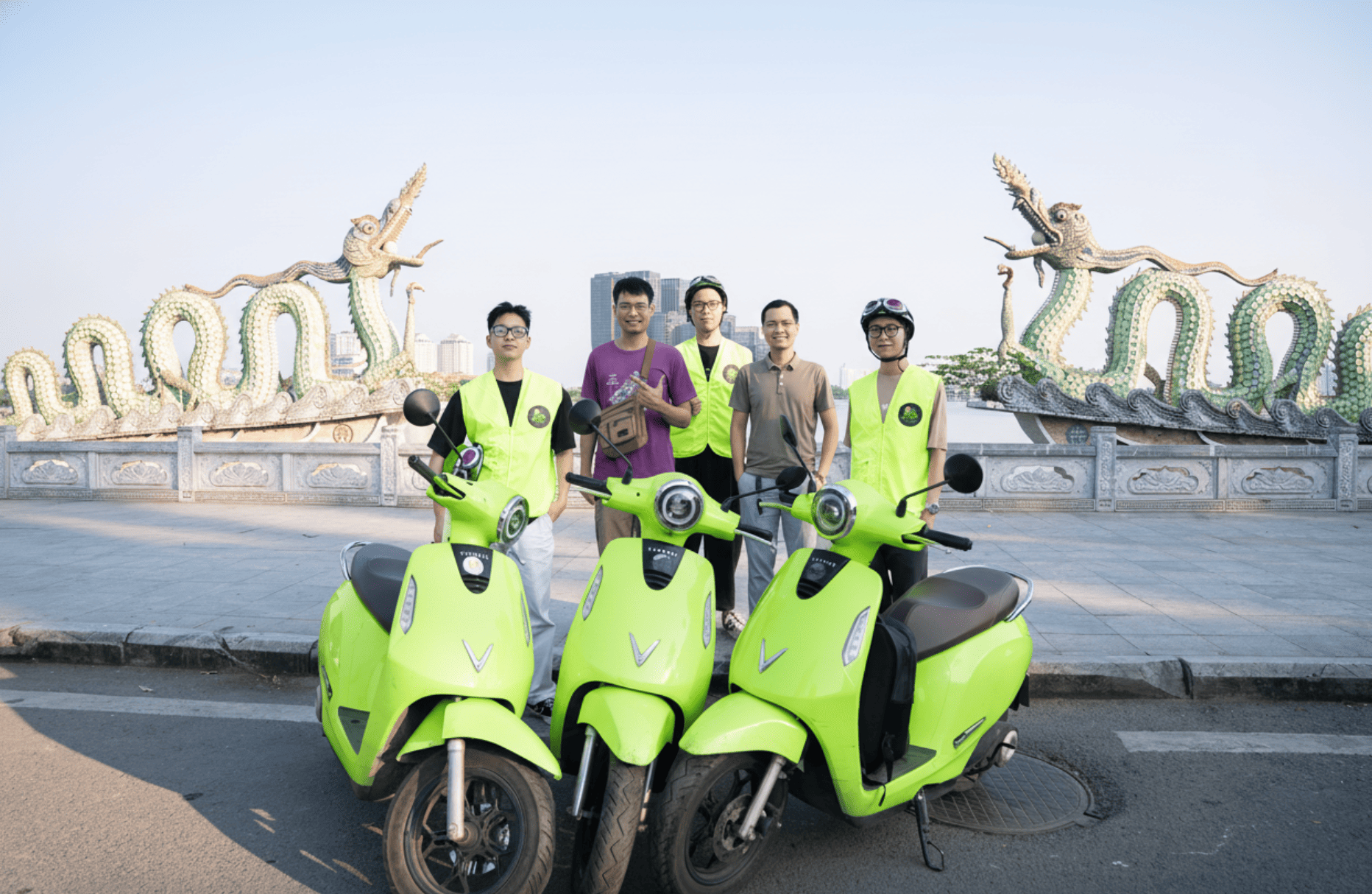
International travellers are increasingly interested in experiences that help them engage with a destination rather than simply move between its major attractions. For many, seeing the landmarks is still important, but so is understanding what happens between them: where local people eat, how neighbourhoods change throughout the day, what small businesses shape a community and how everyday life feels at street level.
This is where a Food Tour by Electric Bike introduces an interesting approach to destination discovery.
The concept brings together four familiar elements — food, local culture, exploration and electric mobility — and combines them into one connected experience. Rather than treating food tasting and transportation as separate parts of a tour, the journey between culinary stops becomes part of the cultural discovery itself.
The electric bike is not necessarily the attraction. It is the tool that makes a different style of exploration possible.
More Than a Traditional Food Tour
A conventional food tour often concentrates on a particular market, food street or compact neighbourhood. Travellers walk between selected stops, taste several dishes and learn about local ingredients and culinary traditions.
A sightseeing tour, meanwhile, generally focuses on landmarks and attractions, with transportation serving primarily to move travellers from one scheduled point to another.
An electric bike food experience sits somewhere between these formats while adding a different dimension.
Because travellers can move across a wider area than they normally would on foot, the experience can connect several different culinary and cultural environments within one journey. A busy commercial street might lead into a quieter residential district. A local market might be followed by a small family-run eatery, a café or a neighbourhood known for a particular food tradition.
The important difference is that these places are not experienced as isolated stops. The streets, transitions and neighbourhoods between them help tell the story.
Instead of simply asking, “What dishes will travellers taste?”, the experience can also ask, “What will travellers understand about the destination while moving from one dish to the next?”
Why Electric Bikes Change the Experience
The role of an electric bike is practical rather than purely recreational.
Walking remains one of the best ways to experience a destination closely, but it naturally limits how much ground can be covered within a few hours. Cars and larger vehicles can travel much further, yet they may separate travellers from the environment around them and can be less suitable for exploring smaller streets or making frequent local stops.
An electric bike can provide an alternative between these two approaches where local conditions are appropriate.
It allows travellers to cover a broader area while maintaining a relatively slow and observational pace. Stops can be made easily, and the traveller remains exposed to the changing sounds, smells, architecture and activity of the streets.
The assistance provided by the bike can also make light cycling more comfortable for some travellers, allowing the focus to remain on exploration rather than physical performance.
This does not mean that cycling conditions should be overlooked. Traffic, weather, road quality, traveller confidence and route design all need careful consideration. When those factors are properly managed, however, the bike can help turn transportation time into travel experience.
Discovering a Destination Through Food
Food is one of the most direct ways to understand a place.
A dish can reveal local ingredients, agricultural traditions, climate, migration, family habits and regional identity. The way it is prepared can tell another story, while the setting in which it is eaten often adds yet another layer.
A bowl served at a neighbourhood shop has a different context from the same dish presented in a hotel restaurant.
Neither experience is inherently better, but they communicate different things about the destination.
A food tour by electric bike creates opportunities to explore these connections more deeply because travellers can experience food in relation to the places where it forms part of everyday life.
They might encounter a local vendor preparing a familiar breakfast, observe the rhythm of a morning market, visit a small producer or learn why a particular dish is closely associated with one community or region.
The aim is therefore not simply to accumulate tastings. It is to connect food with people, place and daily life.
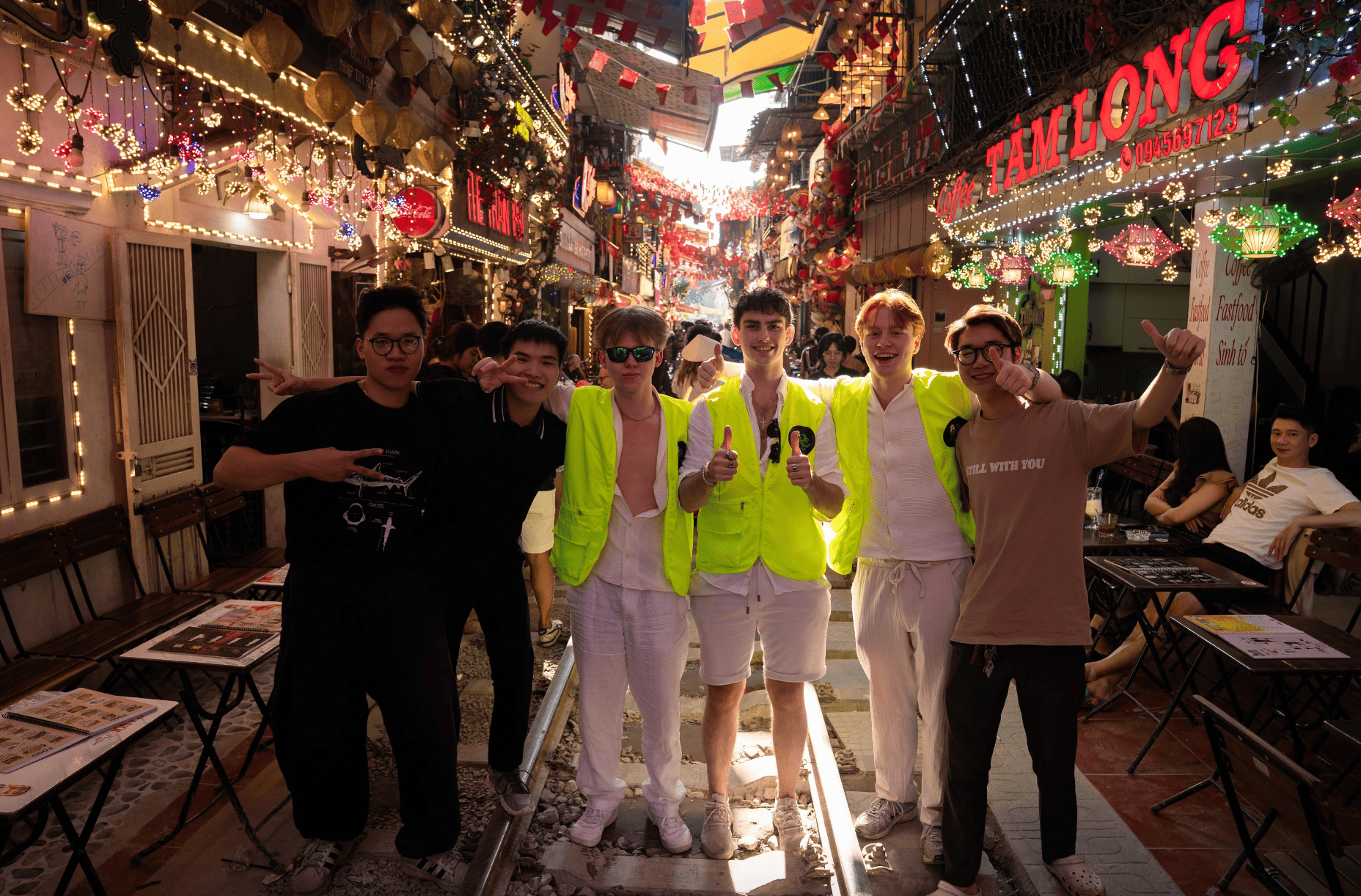
From Tourist Areas to Everyday Neighbourhoods
A traveller may begin in an area shaped heavily by tourism and gradually enter neighbourhoods where daily routines become more visible. Shopfronts change. Traffic patterns change. Buildings change. The food being sold changes. The pace of street life may change as well.
These transitions can help international visitors understand that a destination is not a collection of separate attractions. It is a living environment made up of interconnected communities.
When the Journey Becomes Part of the Experience
Traditional itinerary design often treats transportation as a practical necessity. Travellers finish one attraction, enter a vehicle and emerge at the next one. What happens between Point A and Point B receives relatively little attention. An electric bike food experience approaches this differently. Movement itself becomes part of the destination story.
Travelling at street level gives visitors time to notice details that are easily missed from inside a larger vehicle: small shops opening for the evening, families gathering outside their homes, people preparing food at the roadside, changing architectural styles or the shift from a busy centre into a quieter local community.
Even short journeys between food stops can therefore contribute to the experience. This is perhaps the most important idea behind the model. The food stops provide key moments, but the spaces between them create continuity. Instead of several disconnected tastings, travellers experience a journey through a destination’s food culture and neighbourhood life.
Who Could This Experience Appeal To?
A Food Tour by Electric Bike could be particularly relevant for travellers who enjoy being active participants in destination discovery.
That may include food lovers, culturally curious travellers, couples, small groups, repeat visitors and people looking for alternatives to conventional sightseeing. It may also appeal to travellers who like light activity but do not necessarily want a demanding cycling programme.
For repeat visitors to Vietnam, the concept could offer another way to experience a familiar city or region beyond its principal attractions.
For first-time visitors, it could complement traditional sightseeing by providing a more informal look at everyday life.
A New Experience for Vietnam Itineraries
Vietnam provides an interesting context for this type of experience because food and street life are closely connected to how many destinations are experienced.
Rather than limiting the concept to a single city, travel designers could consider where the combination of local cuisine, suitable cycling conditions and meaningful neighbourhood exploration works naturally.
Depending on the destination and programme, the experience might function as a half-day local discovery, an evening culinary activity, an alternative form of city exploration or a complementary element within a longer sightseeing programme.
It could also fit naturally into itineraries focused on slow travel, culinary discovery or local interaction.
In some places, the strongest experience may centre on urban neighbourhoods and street food. Elsewhere, it might connect a town with nearby communities, local producers or semi-rural food traditions.
Sources:
- https://ebikehanoitours.com/
- https://movcan.com/blogs/blog/e-bike-food-tours-the-ultimate-culinary-cycling-adventure?srsltid=AU7gw4V5hXBNxXEfiYkgDr-pgfexhijZ3C8EdgUCrLNBIK9v-qTlcUmp
- https://www.daytoursinvietnam.com/tour/hanoi-city-half-day-e-scooter-tour-with-street-foods-fun
What This Means for Travel Product Development
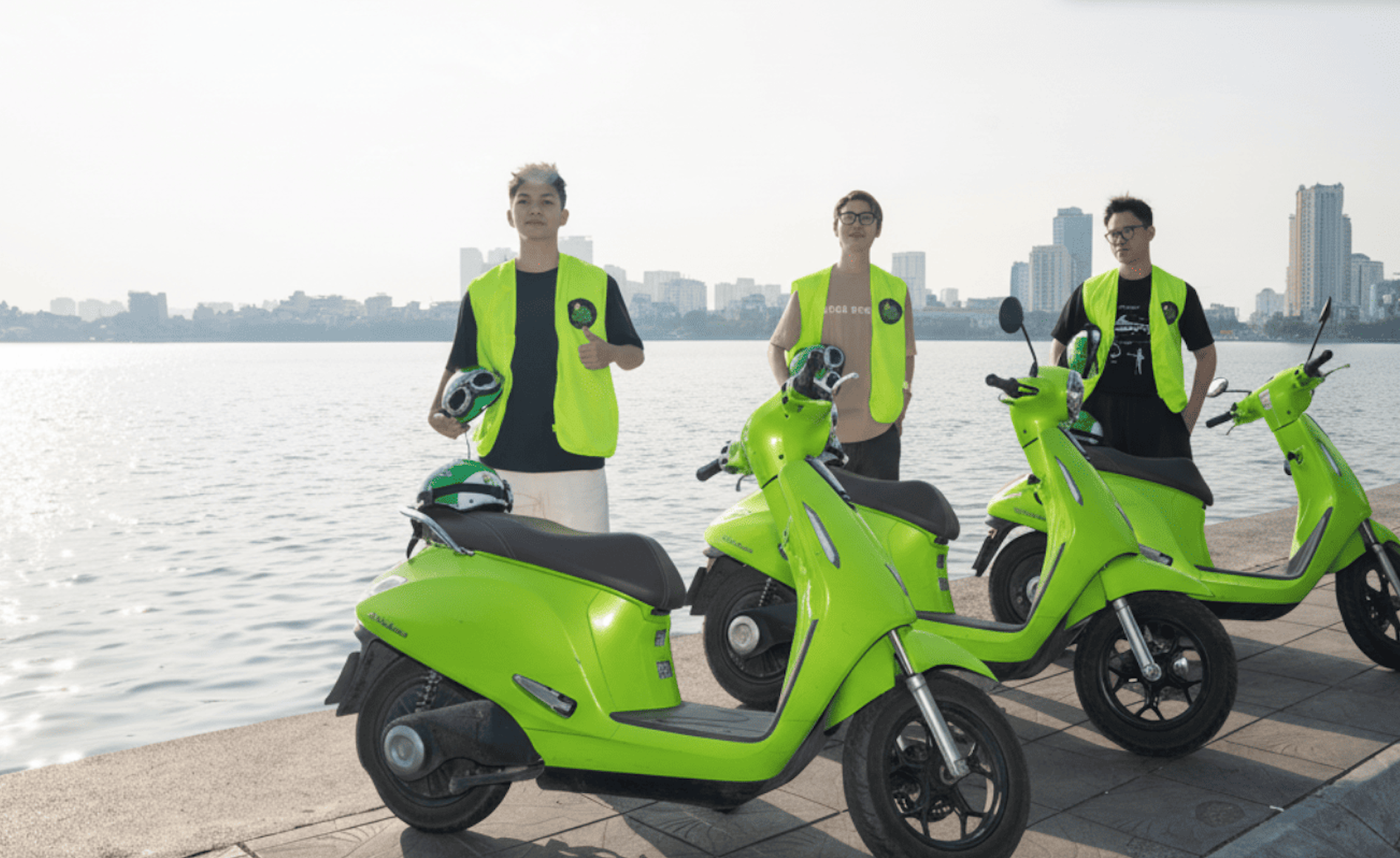
For international travel companies, the concept highlights a broader shift in itinerary thinking.
Product development is not only about deciding which places travellers visit. It is also about deciding how they experience those places.
Many of the components involved in an electric bike food experience are already familiar:
Food + transportation + local interaction + neighbourhood discovery.
What changes is the way those elements are connected.
This can be useful when developing Vietnam programmes because adding experiential value does not always require creating an entirely new attraction. Sometimes it involves redesigning the relationship between existing elements of a journey.
By connecting culinary discovery with local mobility and neighbourhood exploration, the experience can transform the journey between food stops into an important part of understanding the destination itself. Travellers are not simply riding somewhere to eat. They are seeing how food, streets, communities and everyday life connect along the way.
For international travel partners developing new Vietnam programmes, this type of experience can provide another perspective on itinerary design: focusing not only on what travellers see, but on how they move, interact and experience the destination between the major sights.
An Vui Travel welcomes discussions with travel partners interested in exploring new experiential concepts and locally connected ideas for customised Vietnam itineraries.
🔗 Let’s connect and grow together!
Headquarters / Sales Hub: 5th Floor, H&N Building, 329, 331 Hoang Quoc Viet Street, Cau Giay District, Hanoi, Vietnam.
Operation Offices: Vietnam (Hanoi, Danang, Ho Chi Minh), Laos (Vientiane), Cambodia (Siem Reap), Myanmar (Yangon), Thailand (Bangkok).
#AnVuiTravel #FoodTour #ElectricBikeTour #EBikeTravel