 Japanese
  English
  French
  German
  Italian
  Spanish
  Portuguese
  Korean
  Chinese
  Arabic
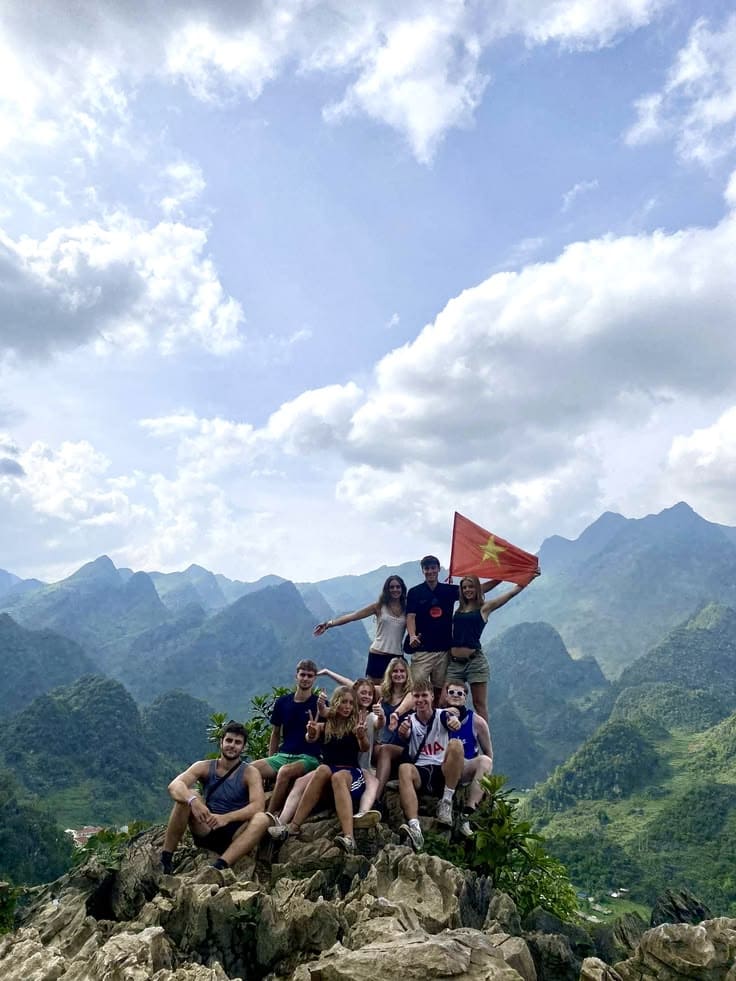
Mountain roads disappearing into the clouds. Rice terraces rolling across deep valleys. Limestone peaks rising above remote villages. At sunrise, entire mountain ranges seem to float above a sea of mist. For many international travellers, this is not the first image that comes to mind when they think of Vietnam.
Most first-time journeys still revolve around familiar names such as Hanoi, Ha Long Bay, Hoi An, Ho Chi Minh City and the Mekong Delta. These destinations remain essential to Vietnam’s tourism appeal, but a growing number of travellers are also looking for something different: stronger nature, slower journeys, more distinctive landscapes and experiences that feel less conventional.
For travel agents, this creates an interesting product opportunity. The question is no longer simply, “Which destinations should we add to a Vietnam itinerary?”, a more useful question is “What can we offer clients who want to see a completely different side of Vietnam?”
Travellers May Not Know the Destination, But They Know the Feeling They Want
Clients do not always arrive asking for Sapa, Ha Giang or Ta Xua by name. Instead, they often describe the type of experience they are looking for.
They may want mountains rather than cities. They may ask for somewhere less commercial, more scenic or more suitable for photography. Some want cultural interaction without spending the whole journey visiting museums and monuments. Others simply want a few days where the pace feels slower. This distinction matters for travel professionals.
Rather than waiting for travellers to request a specific destination, agents can identify the motivation behind the request and recommend the right place. A client saying, “We want somewhere memorable and surrounded by nature,” is already expressing a potential demand for Northern Vietnam, even if they have never heard of Ha Giang or Ta Xua. That gives travel companies an opportunity to sell the experience first and the destination second.
Why Northern Vietnam Fits This New Travel Motivation
Northern Vietnam offers a combination that is increasingly valuable for itinerary design: dramatic landscapes, road journeys, trekking, rural communities, cooler mountain climates, photography and opportunities for slower travel. It also creates a very different rhythm from the classic city–heritage–beach route.
Instead of moving quickly between landmarks, travellers can spend several days following mountain roads, walking through valleys, stopping in villages or simply watching the landscape change. For product managers, this means Northern Vietnam should not necessarily be positioned as “more sightseeing”. It can be positioned as a different reason to travel to Vietnam.
The region is especially relevant for travellers looking for:
- nature and landscape-focused journeys;
- soft or active adventure;
- photography;
- local culture;
- slower itineraries;
- second-time Vietnam experiences;
- destinations beyond the classic route.
Within this broader opportunity, Sapa, Ha Giang and Ta Xua each answer a different type of demand.
Sapa: An Accessible Introduction to Mountain Vietnam
Sapa is often the easiest starting point for clients who want a combination of mountain landscapes, local culture and reasonable tourism infrastructure. Its rice terraces, valleys and village landscapes provide a strong contrast to Hanoi, while trekking and community-based experiences add an active and cultural dimension.
For travel partners, Sapa works particularly well because it can appeal to a relatively broad client profile. First-time Vietnam travellers, couples, families, soft-adventure travellers and culture-and-nature clients can all potentially fit the destination, depending on itinerary design and activity level.
Ha Giang: When the Journey Becomes the Experience
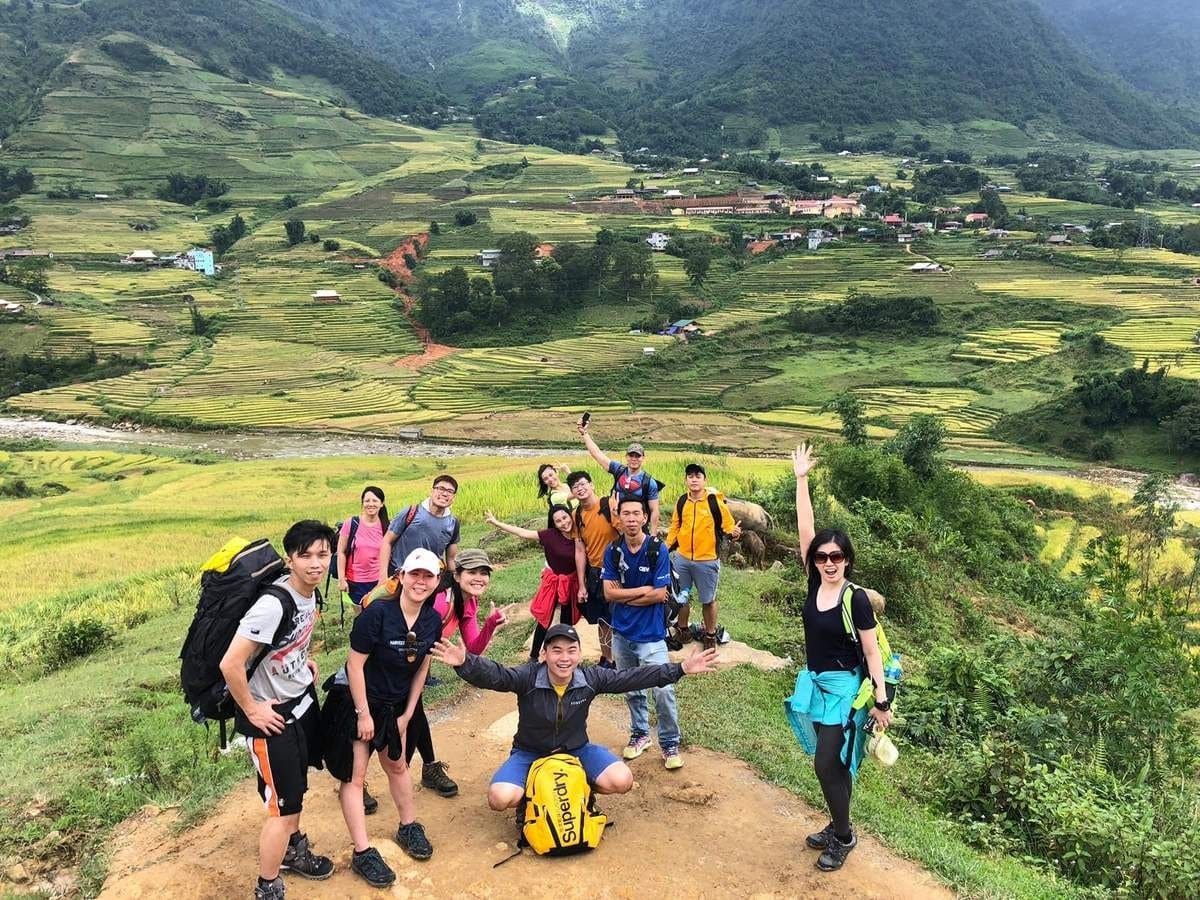
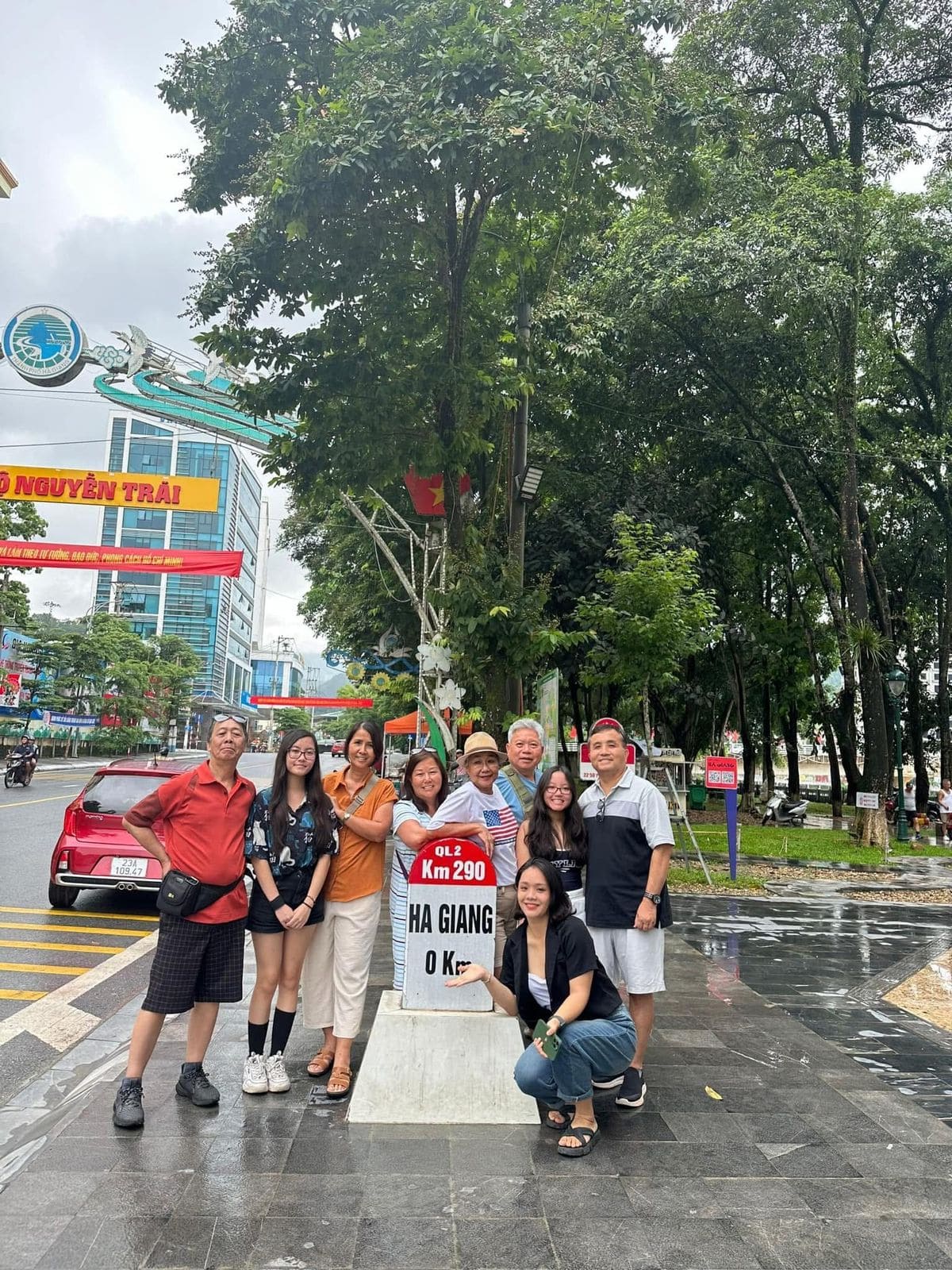
Ha Giang is a very different proposition. Here, the attraction is not only what travellers see when they arrive somewhere. The movement between places is one of the main reasons to go. Mountain roads, limestone landscapes, high passes, the Dong Van Karst Plateau and the Nho Que River create a journey where the route itself becomes part of the experience. This makes Ha Giang particularly suitable for adventure-oriented travellers, photographers, younger FIT clients, repeat visitors to Vietnam and travellers comfortable with longer road journeys.
For agents, realistic pacing is especially important in Ha Giang. Trying to compress the region into an overly short itinerary can undermine the exact experience being sold. If the promise is scenic, immersive and slow, the operation must allow enough time for the journey to feel that way.
Ta Xua: A More Niche and Highly Visual Mountain Experience
Ta Xua answers another type of demand. Rather than being positioned as a mainstream addition to every Northern Vietnam itinerary, it works better as a niche experience for travellers actively looking for emerging destinations, photography and remote mountain atmosphere. The area has become especially associated with mountain ridges, sunrise landscapes and the possibility of seeing dramatic cloud formations. This makes Ta Xua potentially attractive to photographers, content creators, younger FIT travellers, repeat visitors and nature-focused clients.
For travel professionals, expectation management is part of good product design. Ta Xua should be sold around the broader mountain experience rather than one specific natural phenomenon.

Turning Inspiration into a Well-Designed Itinerary
Once the experience has created interest, the itinerary needs to deliver on that promise. A journey positioned as slow and immersive should leave enough time to enjoy the landscape rather than moving quickly from one stop to another. A photography-focused programme needs flexibility for scenic stops and changing light conditions. An adventure itinerary must balance activity with realistic road travel and traveller comfort.
This is especially important in Northern Vietnam, where distances on a map do not always reflect actual travel time. Accommodation standards, road conditions, activity levels, local guiding and weather can all influence the experience. Good product design therefore means finding the right balance between what looks attractive in a brochure and what works comfortably on the ground. Seasonality also changes the character of these destinations.
Sapa’s terraces can shift from fresh green landscapes to golden harvest scenery. Ha Giang can offer very different road conditions and visibility depending on the time of year. In Ta Xua, cloud formations and mountain views depend heavily on weather conditions and can never be guaranteed.
Rather than selling exactly the same experience throughout the year, travel agents can use these seasonal differences to create stronger product stories for different travel periods. The objective is simple: the itinerary should deliver the experience that originally inspired the client to book it.
Creating More Opportunities to Explore Northern Vietnam
For travel partners, Sapa, Ha Giang and Ta Xua can play very different roles within a Vietnam portfolio. Sapa can work as an accessible nature-and-culture extension from Hanoi, particularly for travellers discovering Vietnam for the first time. Ha Giang can become the centrepiece of a longer mountain road journey for clients who value adventure, dramatic scenery and deeper exploration. Ta Xua can provide a more specialised option for photographers, repeat visitors and travellers interested in emerging destinations. These destinations can also be combined with wider Northern Vietnam programmes built around slow travel, landscape and local culture.
This gives agents greater flexibility when designing Vietnam products. Instead of offering the same classic route to every client, Northern Vietnam can help create programmes for different motivations, travel styles and levels of experience. It can also give repeat visitors a reason to return to Vietnam and discover a part of the country that feels very different from their first journey.

From Travel Idea to a Workable Vietnam Product
The starting point for a strong Northern Vietnam itinerary is not necessarily a destination. It is understanding what the traveller wants from the journey. Some clients want more nature and fewer conventional sightseeing stops. Others are looking for a slower pace, stronger photography opportunities, an adventurous road journey or closer interaction with local landscapes and communities. Once that motivation is clear, choosing between Sapa, Ha Giang and Ta Xua becomes much easier.
The next step is turning the idea into a programme that is both attractive to the traveller and realistic to operate. This is where local destination knowledge becomes valuable. Routing, transport, accommodation, guiding, seasonal conditions and the amount of time allocated to each area can all determine whether the final experience matches what was originally promised.
As a local DMC in Vietnam, An Vui Travel works with travel partners to develop these ideas into practical, tailor-made itineraries, supporting destination selection, routing, accommodation, transportation, local experiences and on-the-ground operations.
If you are exploring new Northern Vietnam products for your clients, An Vui Travel can help turn the initial travel idea into a programme that is marketable, realistic and suited to your target traveller.