 Japanese
  English
  French
  German
  Italian
  Spanish
  Portuguese
  Korean
  Chinese
  Arabic
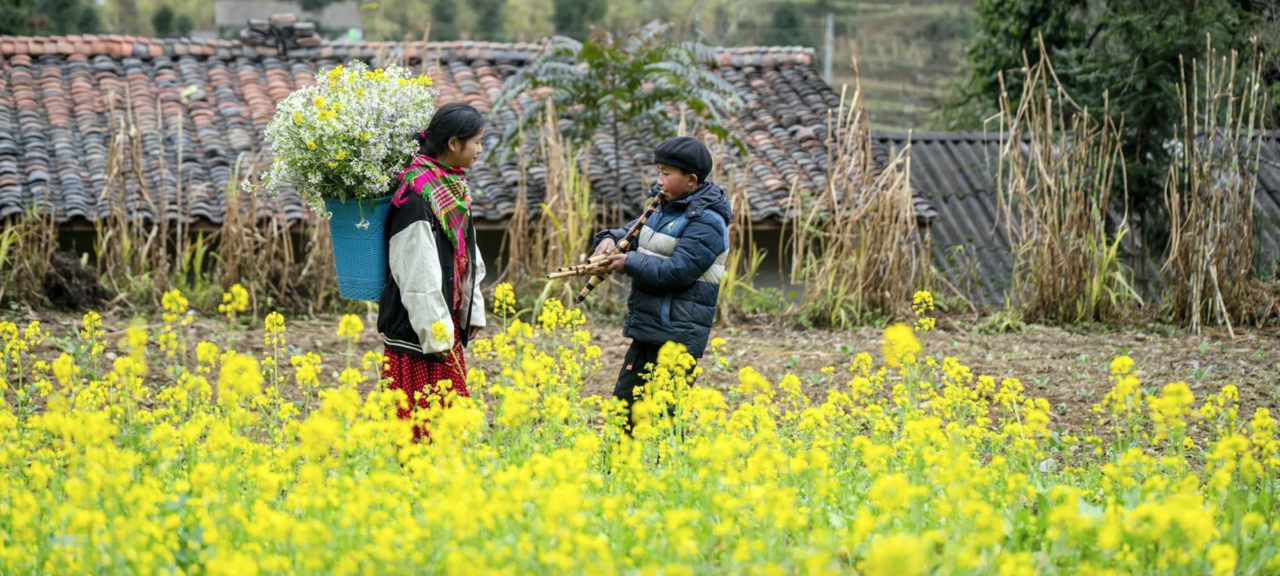
Vietnam’s tourism story is changing shape. For years the country was sold on volume: more cities, more highlights, more stamps in the passport. Today, the strongest demand signal coming from international markets points the other way: travelers, and increasingly the agents and DMCs who design their trips, are asking for depth instead of distance. Eco-luxury and sustainable tourism are no longer a niche add-on; they are becoming the frontier where Vietnam competes for the world’s most discerning, highest-spending guests.
For travel agents building programs in Vietnam, this shift changes what sells. It rewards operators who can pair genuine sustainability credentials with polished, high-touch delivery.
1. From Fast Circuits to Slow, Meaningful Journeys
The old north-to-south sprint (Hanoi one day, Ha Long Bay the next, a night train to Sapa, then three cities in four days) still looks efficient on a proposal. In practice it produces exhausted travelers with striking photos and little real connection to the country. Slow travel offers the depth, connection , and presence.
This is not simply a comfort preference. Long transfers, early departures, and constant repacking create cumulative fatigue that keeps guests at arm’s length from the culture they came to see. When itineraries instead allow three or four nights per region, conversations deepen, hosts become familiar rather than transactional, and cultural experiences, a shared meal, a market visit, a boat ride, are given the time they actually need to unfold.
For agents packaging Vietnam, this reframes pacing as a product feature rather than a limitation. An Vui Travel builds every itinerary around this principle, favouring fewer regions explored properly over long checklists that leave guests, and referring partners, unsatisfied.
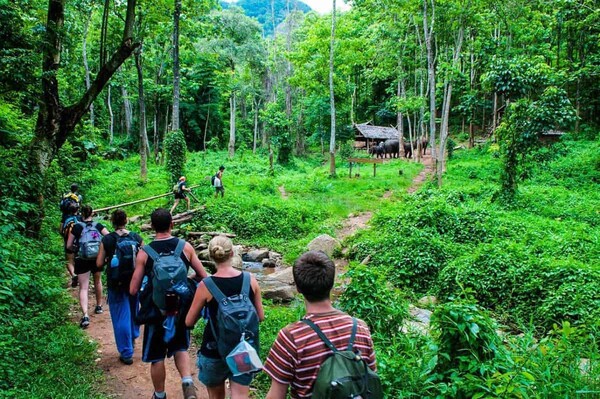
2. A National Shift Toward Experience-Driven, Sustainable Tourism
Global travel forecasting is confirming what operators on the ground have felt for several seasons. A recent CNBC trend outlook, compiled from 25 international tourism reports, points to a move away from counting destinations visited and toward experiential, sustainable and highly personalised travel. Secondary destinations, places outside the major hubs that still deliver rich, immersive experiences, are gaining ground over headline attractions.
Vietnam is positioned well inside this trend. Homestays, farmstays, wellness retreats, community-based tourism, trekking routes, walking tours and rail journeys built around “travel less, experience more” have expanded steadily across the country. Industry voices are explicit about where the advantage will sit long-term: as low-cost positioning erodes under regional competition, the destinations and operators able to tell a compelling story and protect cultural and natural value will capture the most durable demand.
That is precisely the positioning overseas travel agents need from a ground handler right now: not simply cheaper logistics, but a narrative and a network of local relationships that justify premium pricing. An Vui Travel can customize itineraries around that gap, pairing community-based experiences with the service standards eco-luxury travelers expect.
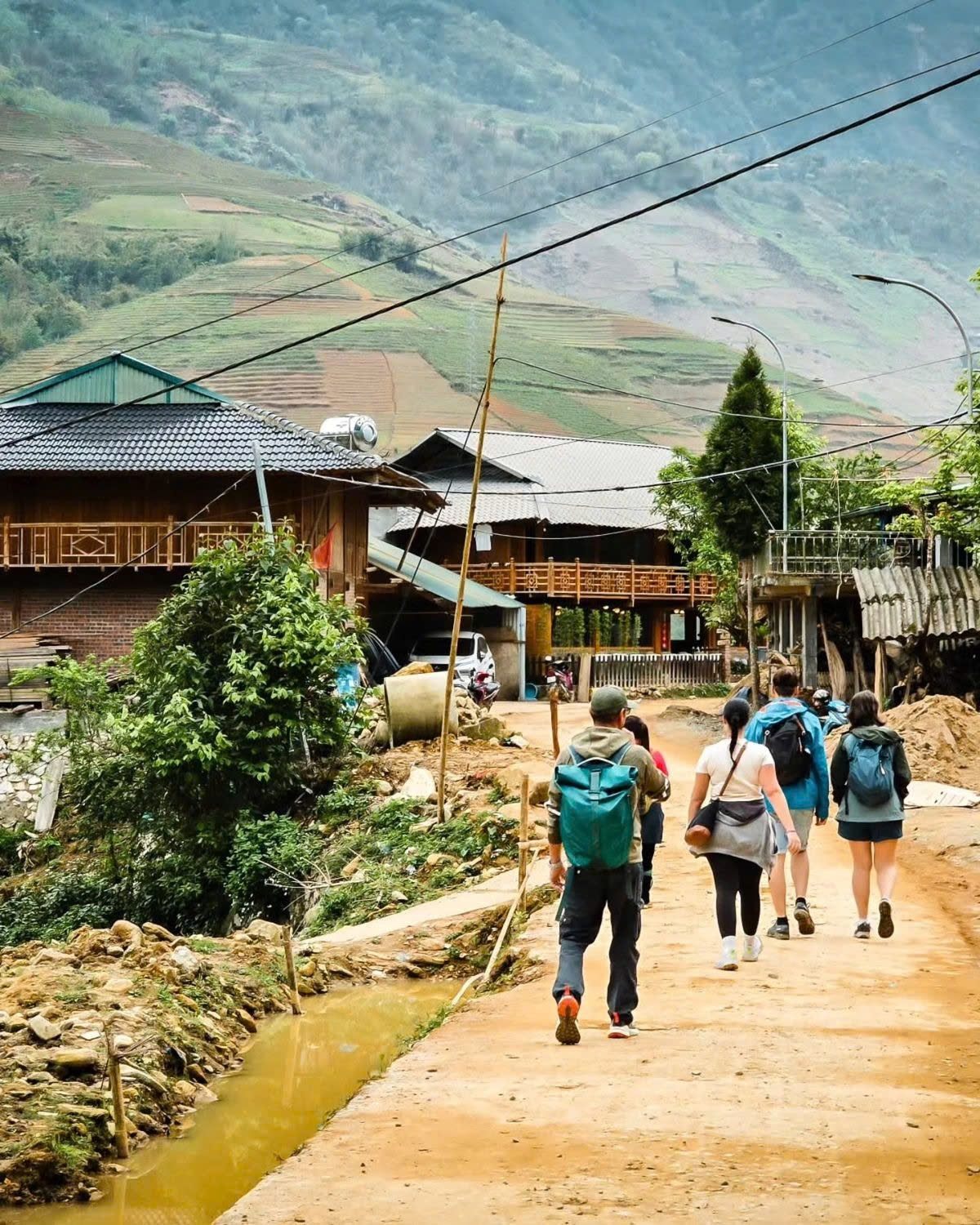
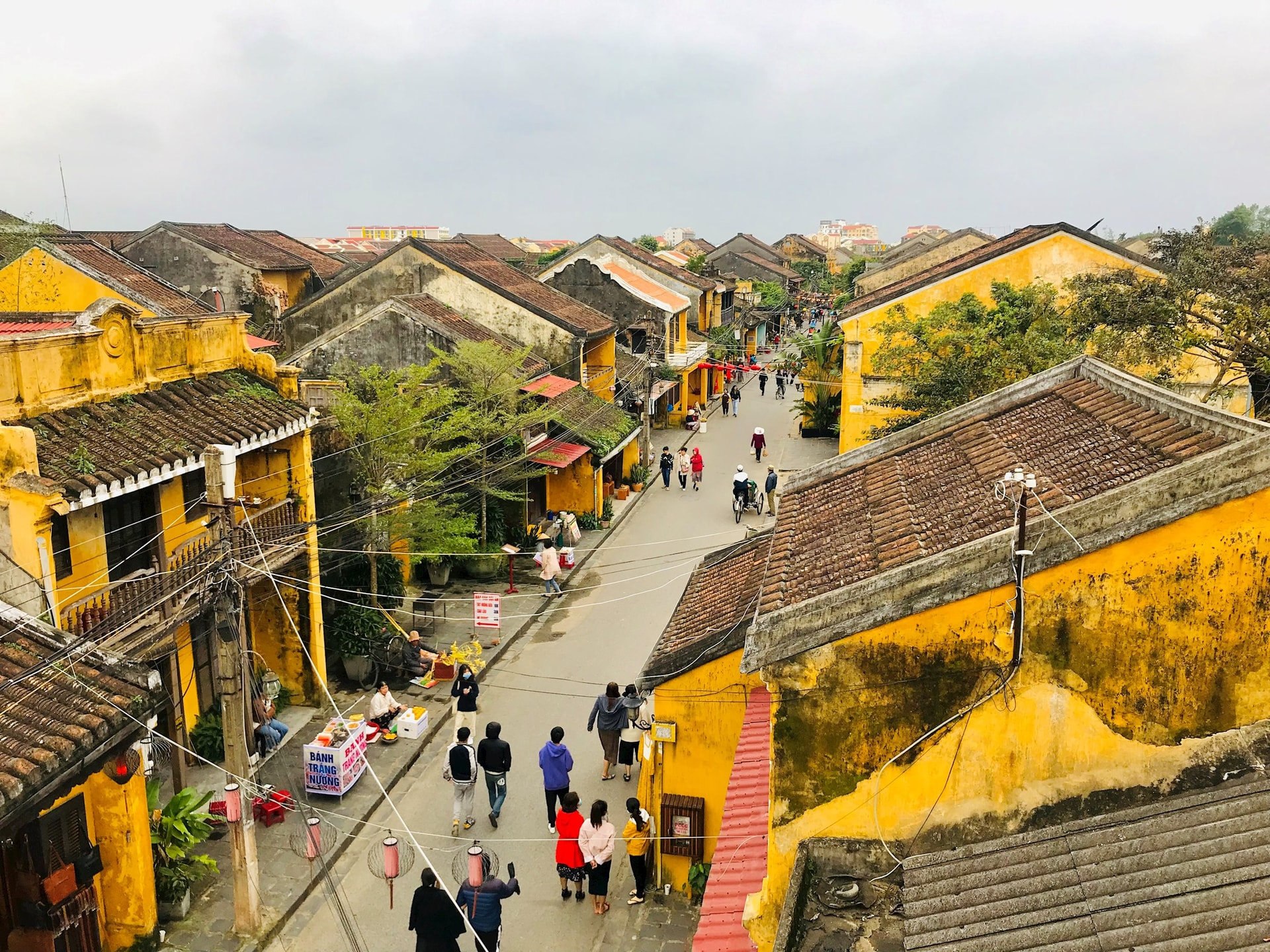
3. Hoi An and the Rise of Asia’s Slow Travel Icons
Nowhere illustrates the eco-luxury shift more clearly than Hoi An. The UNESCO-listed trading port, inscribed as a World Heritage Site in 1999, was recently named the top slow-travel destination in Asia by digital travel platform Agoda, placed above Ubud, Kyoto, Galle, Luang Prabang, Chiang Mai and Kerala. Its compact, walkable old town, layered Vietnamese, Chinese and Japanese trading history, and relaxed pace of tailor visits, cooking classes and countryside cycling routes have also earned it recognition for sustainable tourism and cultural preservation.
Nha Trang, Da Nang and Ho Chi Minh City have previously appeared on Agoda’s slow-travel shortlists too, and destinations such as Hanoi, Hue, Ninh Binh, Da Lat and Can Tho are increasingly cited for the same natural and cultural depth. For programming, this matters because it validates multi-night stays in these locations as a premium, defensible product, not a compromise on a tighter, faster route.
Because these destinations reward familiarity built over several days, An Vui Travel maintains long-standing partnerships with family-run guesthouses, tailors, and cooking-class hosts in Hoi An and comparable towns, so client groups are welcomed as returning friends rather than passing tour numbers.
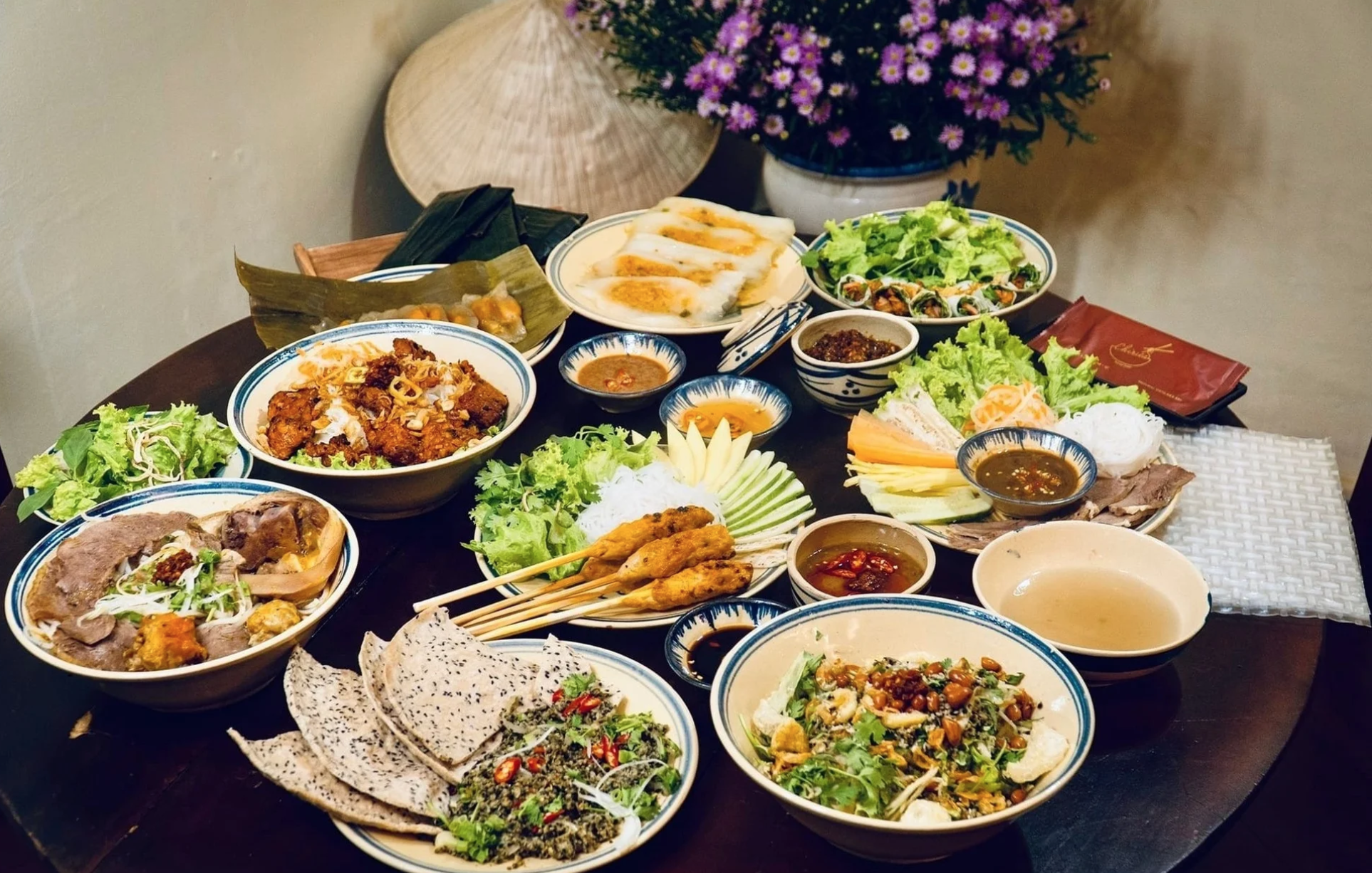
4. Gastronomy as the Heart of Eco-Luxury: A Deeper Look at Dishes
Food is where the eco-luxury argument becomes tangible for guests, and it deserves particular attention for B2B partners building culinary-led programs. On a fast itinerary, meals are logistics: a restaurant chosen for convenience, a menu simplified for turnover, regional distinctions blurred together. Slow travel reverses this. When guests stay long enough for breakfast to become routine rather than novelty, food re-enters the trip as culture rather than fuel.
- Southern cuisine tends toward sweeter, more abundant flavours shaped by the Mekong Delta’s abundance.
- Northern dishes lean restrained and seasonal, reflecting cooler climates and simpler markets.
- Central Vietnamese cuisine emphasises balance and intensity, the product of former royal kitchens meeting coastal ingredients.
These distinctions rarely surface on a rushed circuit, where repetition is minimal and context is missing. A bowl of noodle soup eaten at the same stall each morning, or a family meal cooked without any performance for a visiting guest, communicates more about hospitality and place than a single famous dish ever could. In Hoi An specifically, the town’s centuries of trade with Chinese and Japanese merchants remain visible in its architecture and just as clearly in its kitchens, a genuinely edible history lesson for guests willing to slow down.
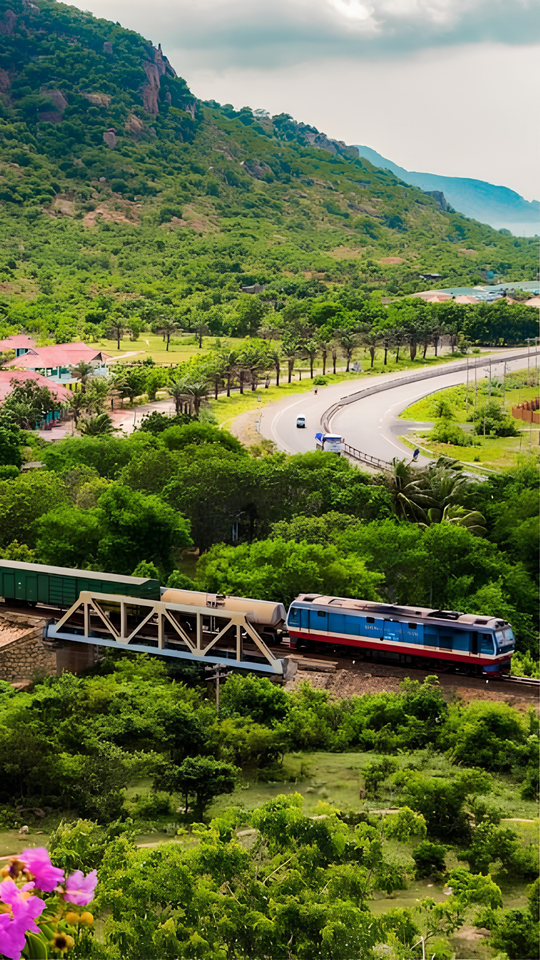
This same principle is now being built directly into Vietnam’s newest luxury rail products. The Hue to Da Nang Heritage Train pairs its transit through the Hai Van Pass and Lang Co Bay with menus built around authentic Central Vietnamese cuisine and live traditional music.
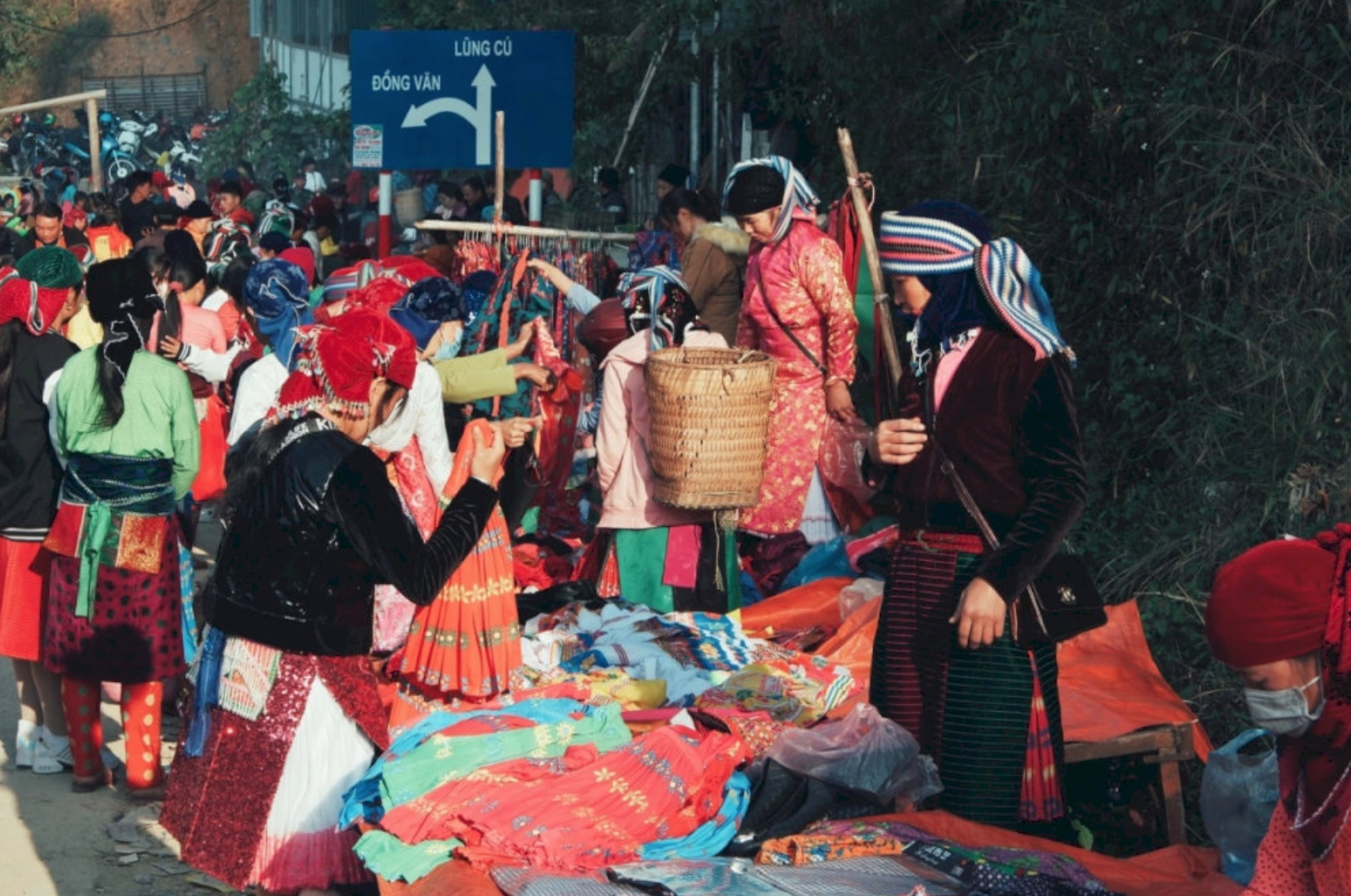
This is the layer where An Vui Travel adds the most value for B2B partners: market visits timed to when a village market is actually alive, home-hosted meals sourced from a family’s own garden or river catch, and chef-led sessions that explain why a dish tastes different a hundred kilometres away. These are the details that turn a generic “culinary tour” line item into a story your clients’ guests will actually retell.
5. Luxury Rail: Redefining Transit as Experience
Vietnam’s rail strategy is one of the clearest signals that eco-luxury is becoming a national priority rather than a boutique trend. Central Vietnam’s coastline, where mountains descend dramatically to the sea, is now the focus of an experiential rail push designed to spread tourism revenue beyond Hanoi, Da Nang and Ho Chi Minh City and into smaller coastal towns.
The new services anchor this shift. The Hue to Da Nang Heritage Train is purpose-built for travelers rather than commuters, with observation windows engineered around the coastal views through the Hai Van Pass.
Beyond the guest experience, the infrastructure case is strong: reducing reliance on short-haul flights between Da Nang and Nha Trang lowers the regional tourism circuit’s carbon footprint, while slower transit encourages spending in smaller towns such as Quy Nhon rather than concentrating it in Hoi An or Da Nang alone.
For partners assembling premium Central Vietnam programs, An Vui Travel is already integrating these new rail products into custom itineraries, sequencing Hue, the Heritage Train, and The Vietage so that transit itself becomes one of the trip’s most memorable days, not a gap between them.
6. What This Means for B2B Travel Partners
- Fewer, deeper stops: 2 to 3 regions over 2 to 3 weeks outperforms five destinations in ten days, both for guest satisfaction and for reducing transport emissions.
- Rail over road and air where possible: the historic Reunification Express and the new Hue to Da Nang and Vietage services turn transit days into scenic, story-rich experiences.
- Food as narrative: regional cuisine, market visits and home-hosted meals differentiate a premium program far more than another temple stop.
- Verified local partners: homestays, family guesthouses and community-run experiences that hire locally and communicate their sustainability practices transparently.
Eco-luxury and sustainable tourism are becoming the frontier on which Vietnam competes for the world’s most valuable travelers, and the operators who understand this shift early will be the ones trusted to deliver it well. An Vui Travel combines on-the-ground sustainability partnerships, slow-travel pacing, and a genuine depth of culinary knowledge to help travel agents partners package Vietnam as the meaningful, story-driven destination it is fast becoming.
If you are building 2026 to 2027 programs around Vietnam’s eco-luxury and slow-travel trend, we would welcome a conversation about how An Vui Travel’s destination expertise and supplier network can support your itineraries.
References:
https://ecobnb.com/blog/2026/02/slow-travel-vietnam-sustainable-guide/
https://vietnamtourism.gov.vn/en/post/21215
https://www.tnktravel.com/blogs/why-slow-travel-in-vietnam-beats-fast-itineraries/
https://vietnamnet.vn/en/slow-travel-increases-connections-reshapes-tourism-trends-2515761.html
https://en.vneconomy.vn/hoi-an-leads-agodas-list-for-slow-travel-destinations-in-asia.htm
🔗 Let’s connect and grow together!
Headquarters / Sales Hub: 5th Floor, H&N Building, 329, 331 Hoang Quoc Viet Street, Cau Giay District, Hanoi, Vietnam.
Operation Offices: Vietnam (Hanoi, Danang, Ho Chi Minh), Laos (Vientiane), Cambodia (Siem Reap), Myanmar (Yangon), Thailand (Bangkok).
#EcoLuxury #SlowTravelVietnam #SustainableTourism #AnVuiTravel #VietnamTravel