 German
  English
  French
  Italian
  Spanish
  Portuguese
  Japanese
  Korean
  Chinese
  Arabic
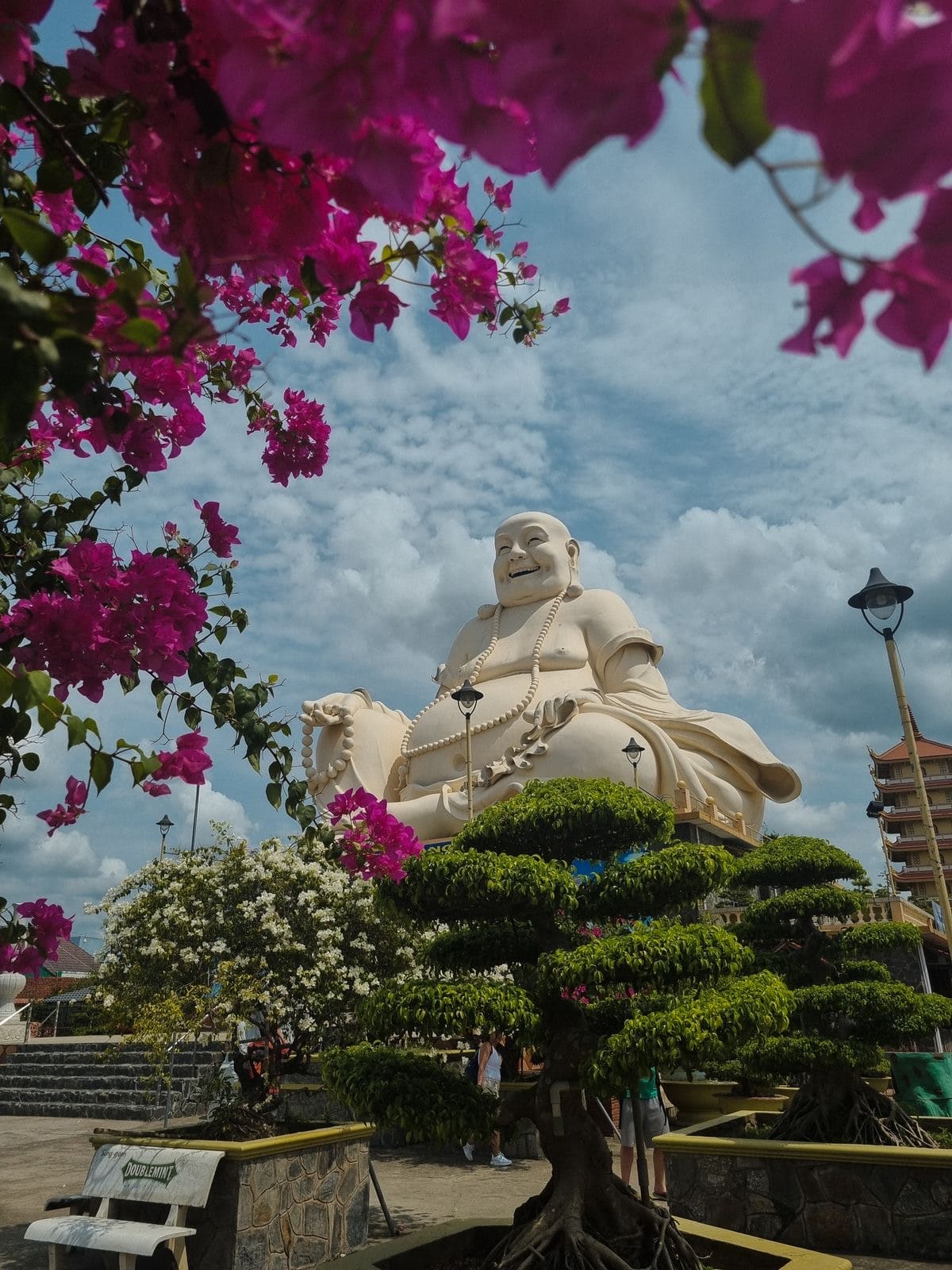
For decades, My Tho has operated under a persistent paradox. As the literal and historical gateway to the Mekong Delta, it has welcomed millions of travelers, yet its proximity to Ho Chi Minh City has traditionally condemned it to a transactional, low-yield fate: the ubiquitous day-trip destination. In the vocabulary of global tourism, My Tho was long defined by its efficiency rather than its depth—a quick checkbox of boat rides, coconut candies, and fleeting riverside lunches before the tour buses departed. However, as the global market witnesses a profound shift from the consumption of standard sightseeing to a demand for cultural preservation, authenticity, and intellectual travel, My Tho stands at a critical inflection point. The question is no longer how many visitors can pass through its canals in a single afternoon, but how the region can leverage its unique historical, architectural, and ecological assets to orchestrate a high-value tourism renaissance.
Relinking the Broken Narrative: Beyond the Standard Sampan
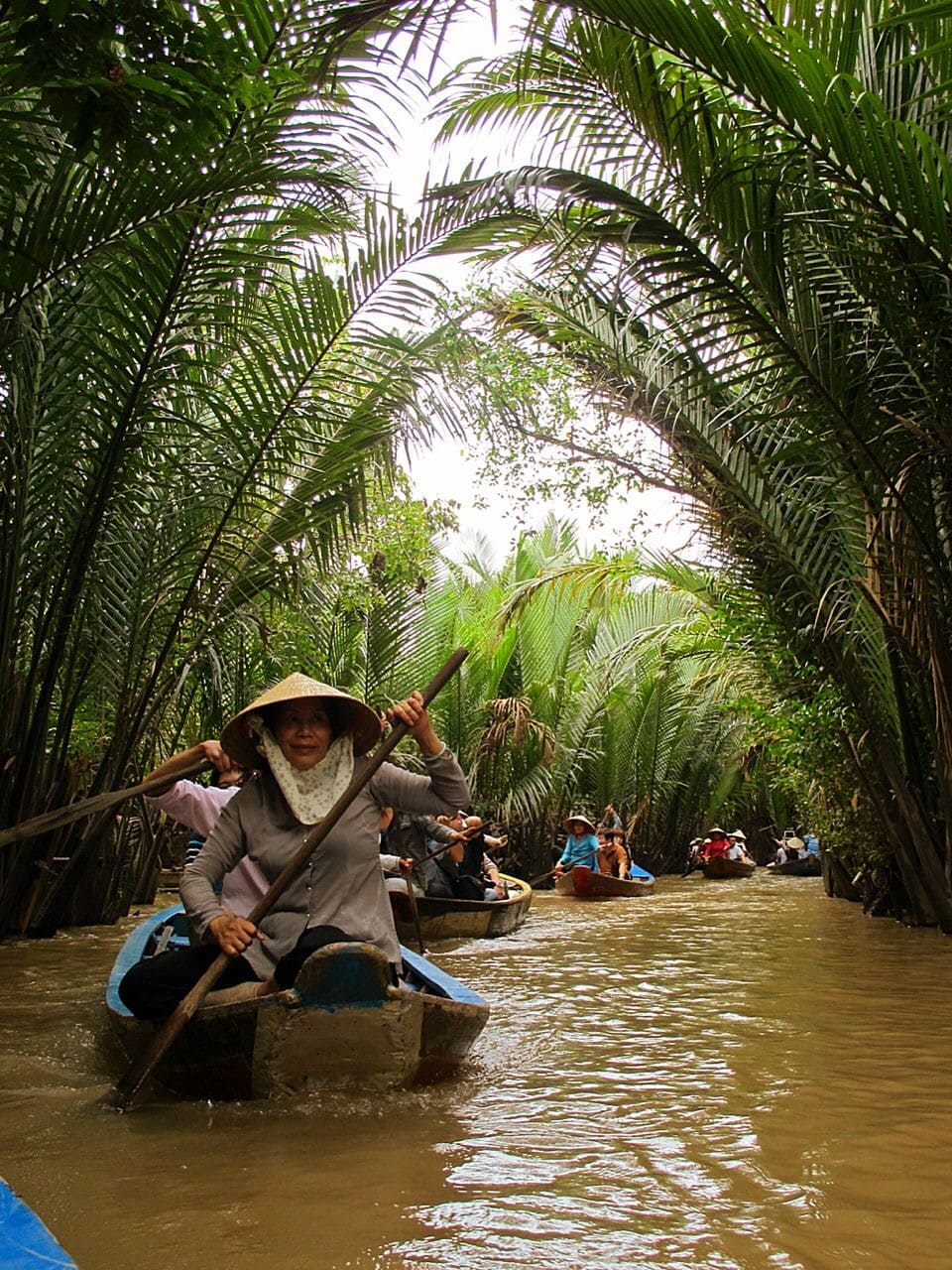
The mass-market era in the Mekong Delta often commoditizes the local way of life, turning rich riverine traditions into a repetitive, assembly-line experience. To unlock high-value tourism, My Tho must shift its focus from transactional logistics to narrative-driven exclusivity. The labyrinthine canals of My Tho—specifically around the Thoi Son archipelago—should not merely be viewed as conduits for a standard rowboat photo-op; instead, they are the vital arteries of a delicate, thousand-year-old eco-system. High-value travelers do not just seek a ride; they seek an understanding of the river’s pulse. By restructuring these excursions into private, guided journeys led by local conservationists or cultural historians, the simple act of gliding beneath the water coconut canopy becomes an educational masterclass, shifting the emphasis from the novelty of the sampan to the profound relationship between local communities and the changing dynamics of the Tien River.
Cultural Preservation as a Luxury Asset: The Sonic Heritage of Thoi Son
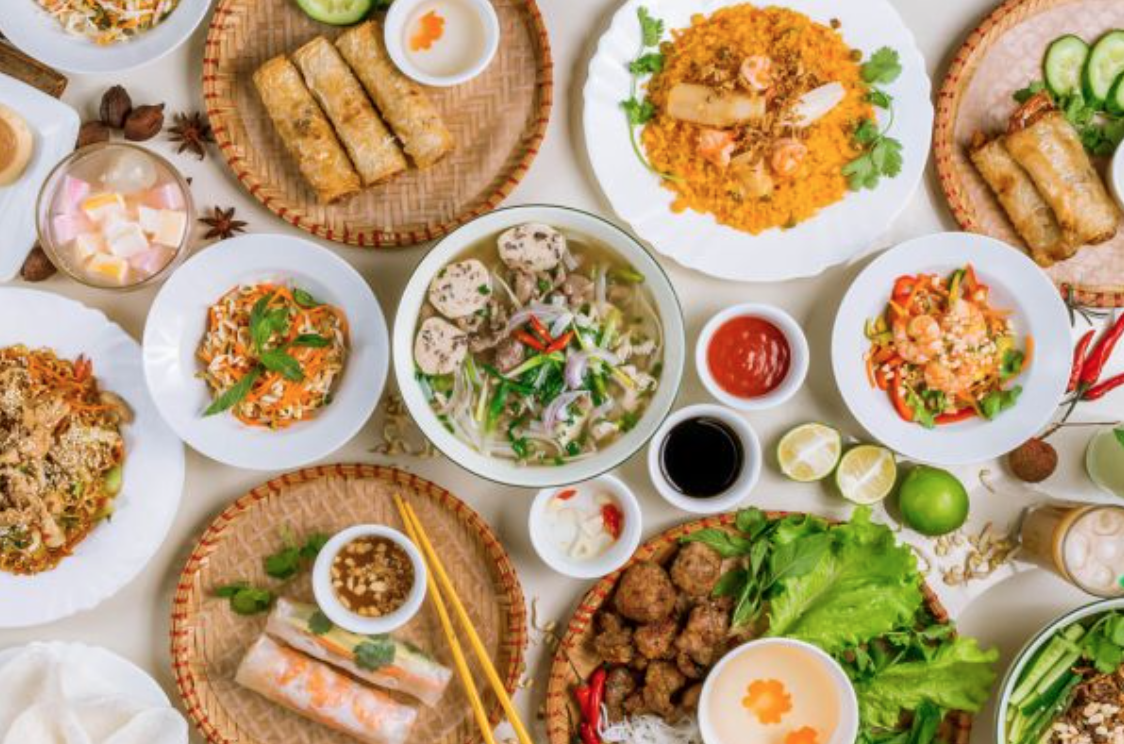
In the premium travel sector, luxury is no longer defined by opulence, but by exclusivity and cultural preservation. My Tho possesses a world-class intangible asset that has yet to be fully realized on this scale: Đờn ca tài tử. Under the mass-market model, this UNESCO-recognized folk music is often reduced to a brief, chaotic 15-minute performance in crowded fruit orchards, serving as background noise rather than a cultural centerpiece. To attract discerning, high-yield travelers, this sonic heritage must be elevated into an immersive, private evening experience. Imagine a curated twilight performance set within a meticulously restored, open-air colonial-era wooden villa, where the acoustics of traditional string instruments blend seamlessly with the nocturnal sounds of the delta. Coupled with a gastronomic journey featuring hyper-local, elevated interpretations of Southern cuisine—such as a modern take on Hủ tiếu Mỹ Tho using artisanal ingredients—this heritage transforms from a casual stopover into a destination-defining evening that commands premium value.
The Unexploited Aesthetic: Architectural Syncretism at Vinh Trang
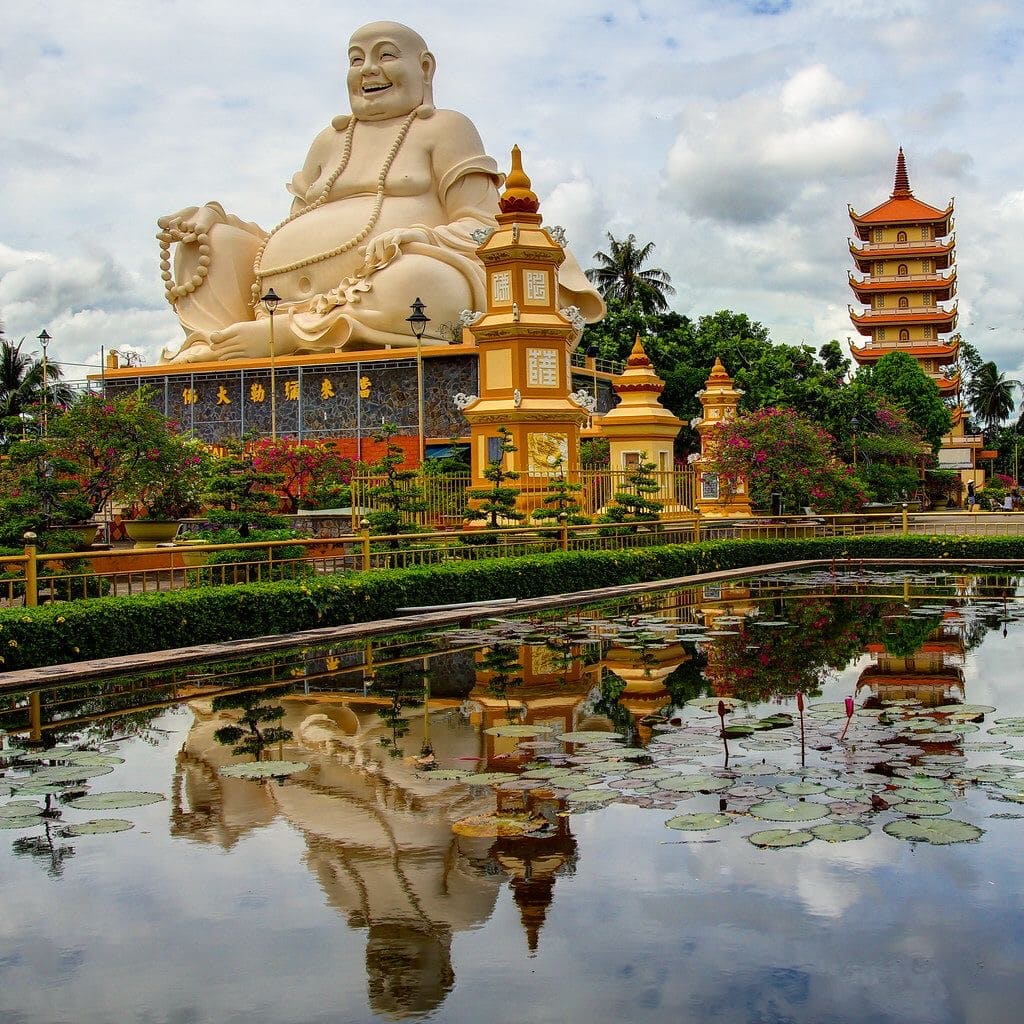
One of My Tho’s most compelling, yet under-analyzed differentiators is its architectural landscape, epitomized by Vinh Trang Pagoda. Built in the 19th century, this sacred monument is not just a place of worship; it is an extraordinary physical manifestation of globalization and syncretism. While mass tourism often treats Vinh Trang as a quick photography backdrop, a high-value tourism framework recognizes it as an intellectual treasure trove. The structure’s seamless blend of traditional Vietnamese rooflines with Romanesque arches, Gothic spires, and French Renaissance tiling speaks directly to the sophisticated traveler’s desire for historical intrigue. Developing curated architectural tours that unpack this complex historical dialogue—exploring how Western aesthetics were absorbed and reinterpreted by Southern Vietnamese artisans—repositions My Tho not as a rustic countryside escape, but as a historically sophisticated cultural hub at the crossroads of East and West.
The Strategic Shift: From Mass Volume to High-Yield Retention
The path forward for My Tho mirrors the strategic pivots seen in mature cultural destinations worldwide. The reliance on mass volume is inherently unsustainable, leading to cultural dilution, ecological strain, and low economic retention for the local populace. The blueprint for high-value tourism requires a deliberate deceleration. By investing in boutique, eco-conscious river lodges that encourage overnight stays, creating exclusive nocturnal river experiences, and focusing on high-margin, small-group itineraries, My Tho can successfully decouple its economic growth from sheer visitor numbers. The goal is to transform the Mekong gateway from a frantic day-trip corridor into a place of slow, deliberate discovery—where architecture inspires intellectual curiosity, intangible heritage is treated with dignity, and travelers leave behind a meaningful economic footprint.
✈️ The Strategic Query: As regional competition intensifies, will your next Southern Vietnam portfolio continue to compete in the low-margin mass market, or will it pioneer the high-value transformation of the Mekong’s most historic gateway?
Sources:
https://laodong.vn/xa-hoi/my-tho-dai-pho-hon-xua-tren-nen-pho-moi-1654097.ldo
https://mia.vn/cam-nang-du-lich/thanh-pho-my-tho-tay-nam-bo-16732