 Arabic
  English
  French
  German
  Italian
  Spanish
  Portuguese
  Japanese
  Korean
  Chinese
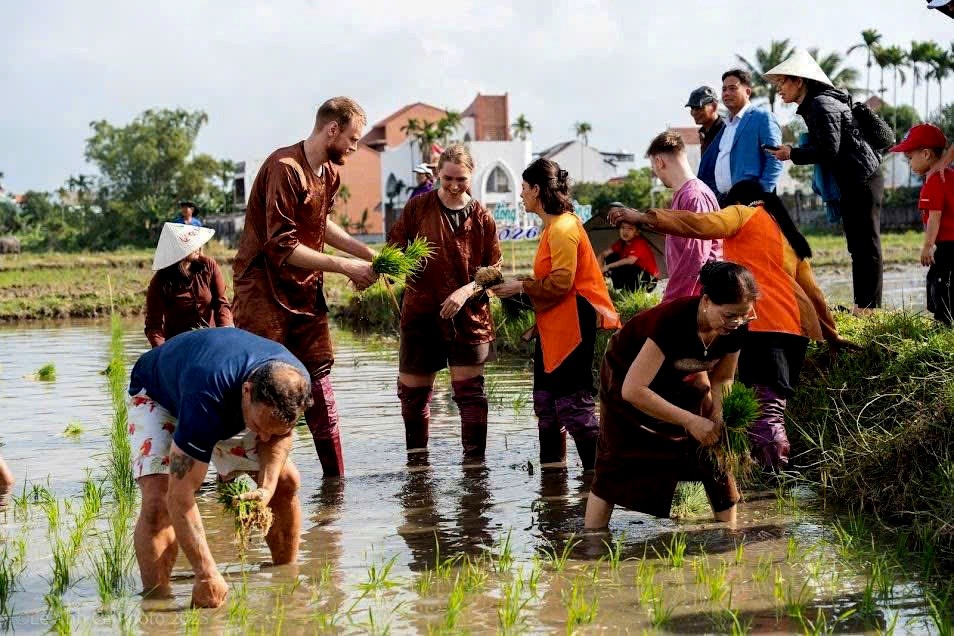
2026 marks a structural turning point for Vietnam’s tourism industry, as the market shifts from a recovery-focused, volume-driven phase toward optimizing economic value and depth of experience. In the first seven months of 2026, Vietnam welcomed 13,917,696 international visitors, up 13.8% year-on-year. By mode of transport, air arrivals reached 11,525,963 (+10.7%), land arrivals reached 2,180,792 (+33.6%), and sea arrivals reached 210,941 (+14.7%). Earlier in the year, the first six months of 2026 alone recorded 12.3 million international arrivals, with total tourism revenue estimated at VND 569 trillion.
The composition of source markets in 2026 highlights a boom in long-haul, high-spending travelers with extended lengths of stay. Over the first seven months, Europe contributed 2,350,274 arrivals (+53.4%), led by a surge from Russia (863,593 arrivals, +174%), alongside Poland (61,194, +51.3%), Sweden (29,977, +24.7%), and established markets such as Germany (192,502), France (220,843), and the United Kingdom (245,427). The Americas reached 796,814 arrivals, with the United States at 617,027 (+18.3%). Oceania reached 437,863, with Australia at 396,648 (+22.5%). India delivered 553,187 arrivals (+42.9%) and the Philippines 416,548 (+63.6%).
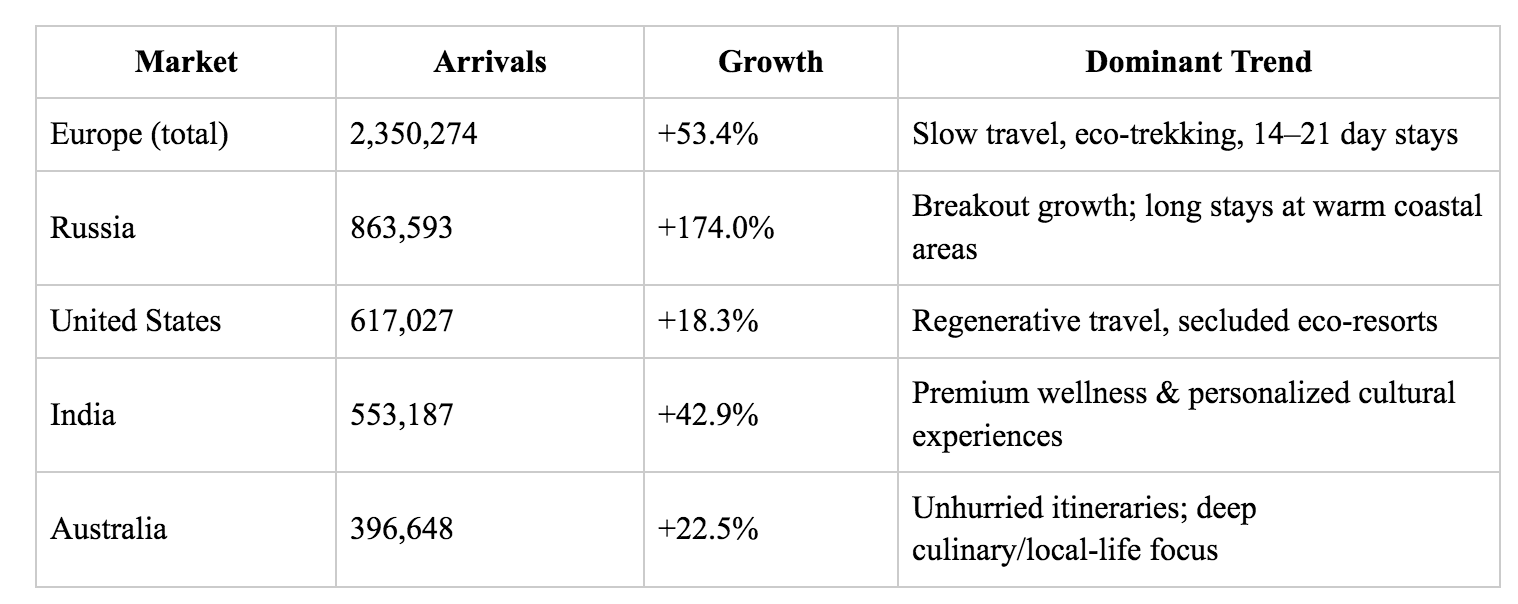
Table 1. Key international source markets, 7 months of 2026
This shift confirms that Vietnam has become a standalone destination, no longer dependent on fast-paced multi-country package tours. The industry has moved its core metric away from raw arrival numbers toward the quality of visitor flow — length of stay, average spending, and contribution to local livelihoods. Two converging trends, “Slow Travel” and “Deep Culture Experience,” are the defining forces reshaping the Vietnamese tourism market in 2026.
2. Slow Travel: A New Itinerary Structure
2.1 Longer Stays, Fewer Stops, Smaller Groups
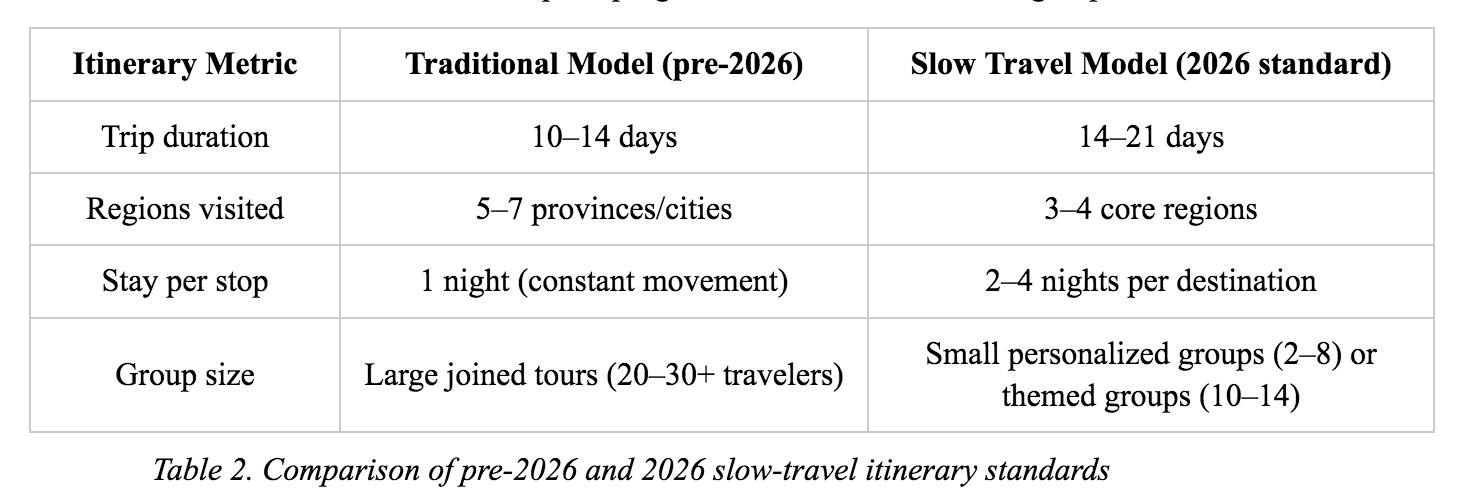
The Slow Travel philosophy in 2026 goes beyond simply staying still — it means remaining long enough to build an emotional connection with a destination and generate a positive impact on local communities. According to the American Express Travel 2026 Global Travel Trends Report, 82% of international travelers want to return home feeling recharged and mentally balanced. This mindset has reshaped itinerary design: 2026 field surveys show that 14–21 day tours now dominate among European and North American travelers, fully replacing the fast-paced 10–14 day tours of previous years, while average group sizes have shrunk to 2–8 travelers for bespoke programs and 10–14 for themed group tours.
2.2 Scenic Transport: Heritage Trains and Boutique Cruises
The slow travel trend is driving a revival of rail and small-scale cruise travel. The launch of the heritage rail route connecting Hue and Phong Nha on 28 August 2026 created a signature product, allowing travelers to enjoy winding natural scenery through the train window while reducing carbon emissions.
On the water, visitors are shifting from Ha Long Bay toward Lan Ha Bay and Bai Tu Long Bay. Boutique cruises with 10–20 cabins, designed around Vietnamese heritage aesthetics, report high occupancy thanks to 3-day, 2-night itineraries centered on privacy, kayaking, sunrise yoga, and organic dining.
- Deep Culture Experience by Region
International visitors in 2026 increasingly seek direct participation in local daily life rather than passive observation.
3.1 Northern Highlands: “Coolcation” and Authentic Craft Villages
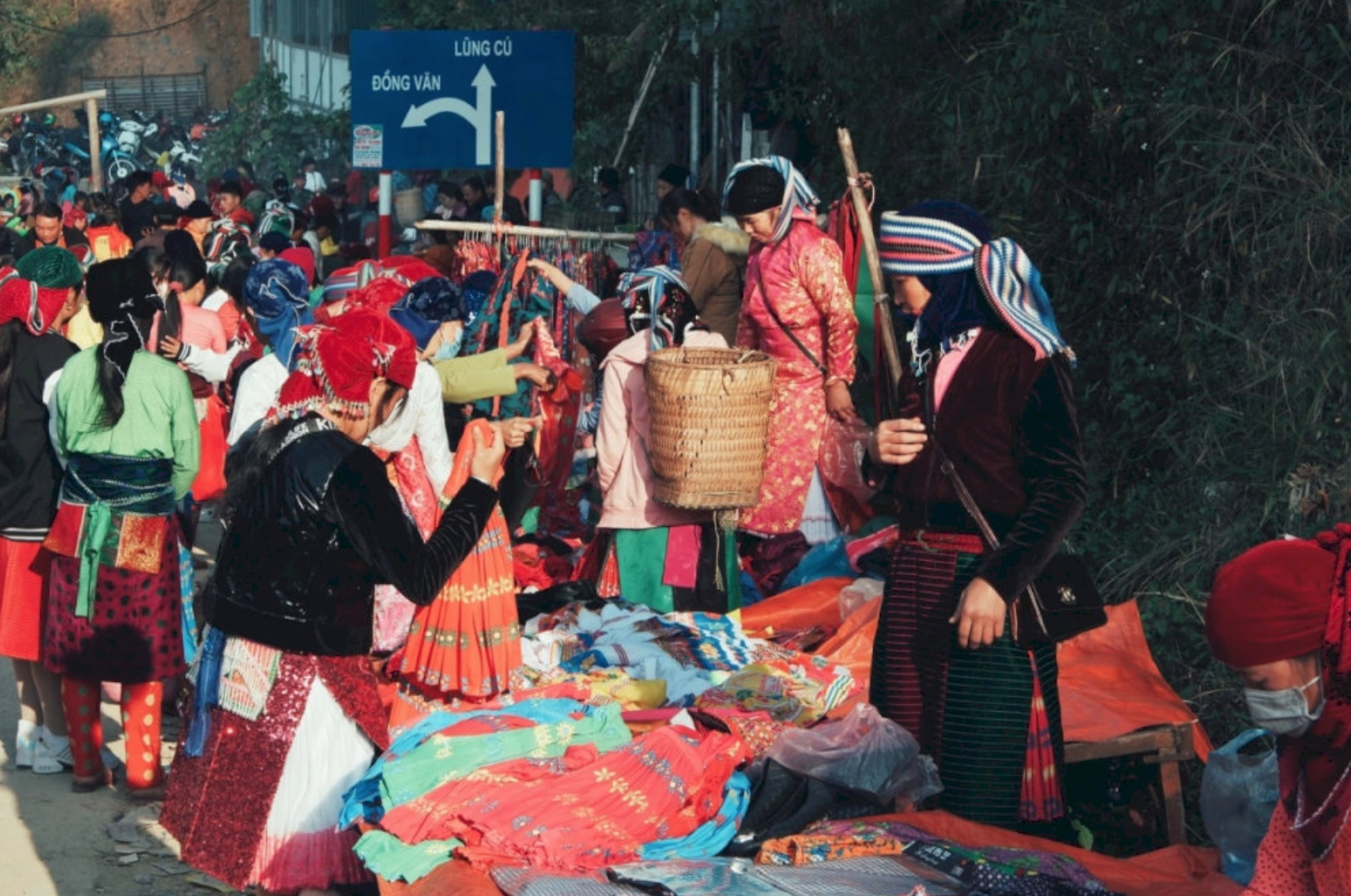
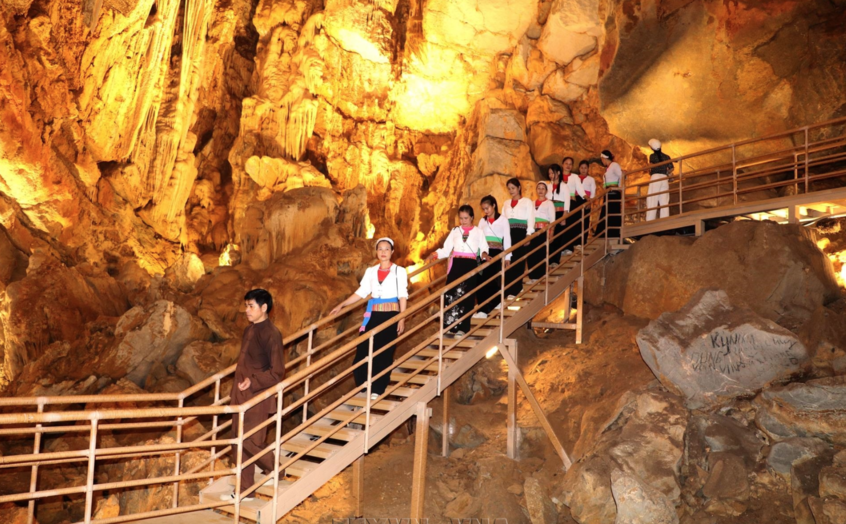
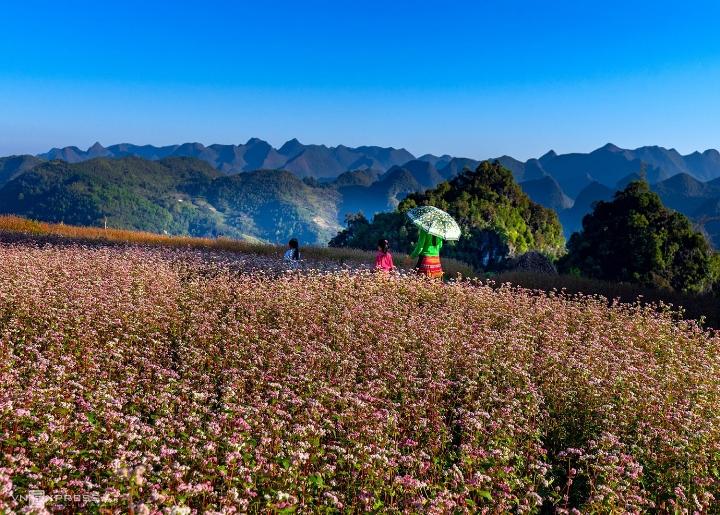
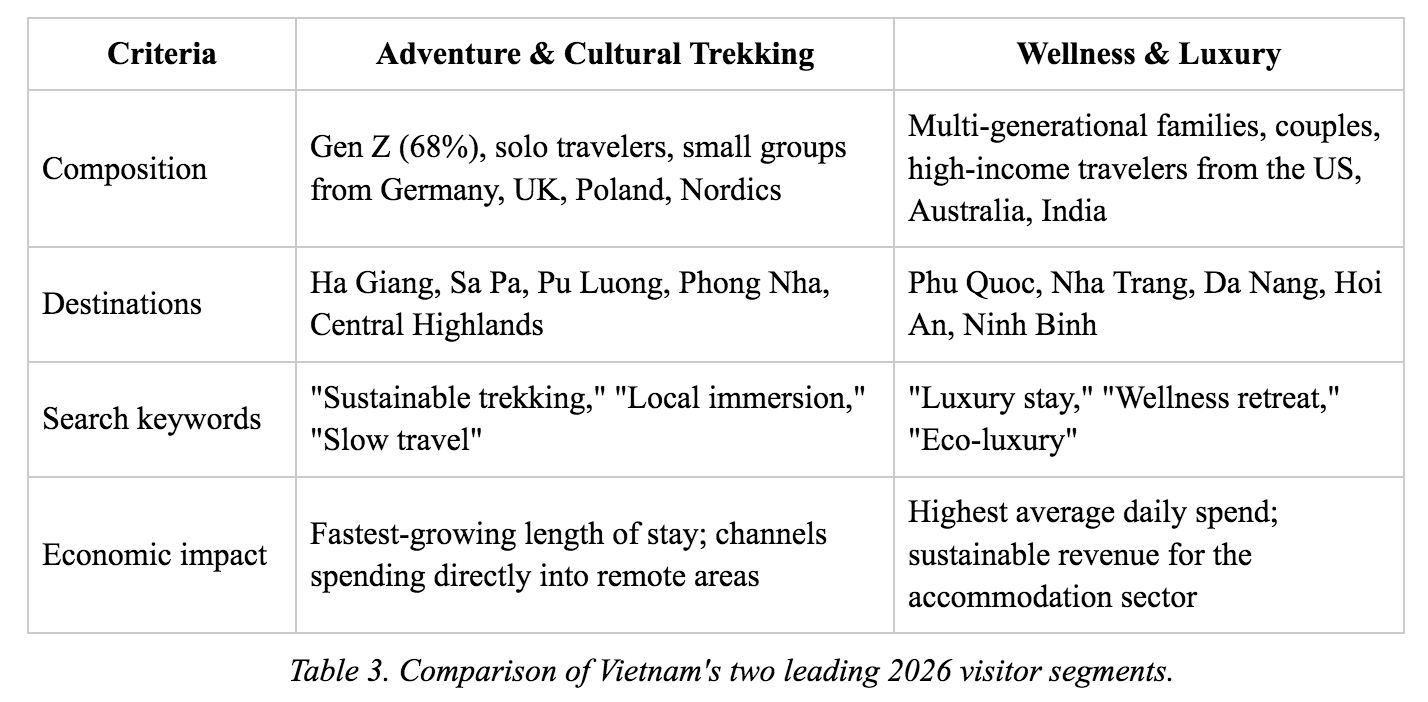
In the north, travelers actively avoid overcrowded sites in favor of “hidden gems” such as Ha Giang, Pu Luong (Thanh Hoa), Mai Chau (Hoa Binh), Ta Xua (Son La), and Ba Be Lake (Bac Kan). Gen Z travelers make up 68% of the adventure and exploration segment and are driving the “coolcation” trend — combining cool mountain climates with eco-trekking, astrotourism, and cultural exchange with ethnic minority communities. In Ha Giang, visitors stay 2–3 days in villages such as Lo Lo Chai or Hoang Su Phi, joining locals in terraced-field farming and learning about traditional rammed-earth architecture.
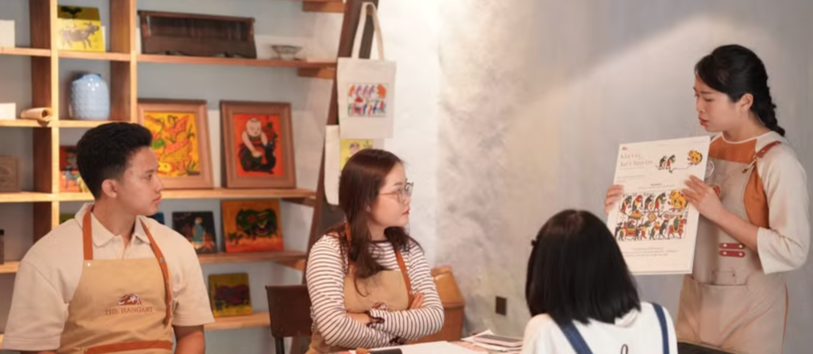
In the delta region, community tourism models such as Ecohost Nam Dinh, along with craft workshops in Hanoi (silver ring making, traditional coffee brewing, wooden clog making), report strong booking growth from European and North American travelers.
3.2 Central Vietnam: The Hue–Hoi An Heritage Axis and “Go Slow, Feel Deep”
The UK’s Time Out magazine ranked Central Vietnam 8th on its list of the world’s greatest destinations for 2026.
The former imperial capital of Hue has successfully implemented a “go slow, feel deep” philosophy. International visitors cycle through the ancient villages of Kim Long and Thuy Bieu, take part in royal tea tastings, join meditation retreats, and make incense at Thuy Xuan village. Slow-travel tours in Hue and Hoi An report room occupancy rates above 80%. In Hoi An, the experience zone has expanded into surrounding areas such as Cam Thanh, Phuoc Tich, and An Bang, featuring Thanh Ha pottery making, basket-boat rides through the coconut forest, and live cultural performances.
3.3 Mekong Delta: From “Floating Market Check-ins” to “Living Culture”
As road infrastructure has improved and local lifestyles have evolved, Mekong Delta tourism has shifted from rushed floating-market visits to a “Living Culture” model. International visitors now stay a minimum of 2–3 days at riverside ecolodges or family homestays in Can Tho, Ben Tre, and Vinh Long, cycling through village lanes, harvesting fruit, visiting coconut-processing workshops, and cooking regional dishes such as grilled snakehead fish and fermented-fish hotpot alongside host families.
4.2 The Standout 2026 Product: “Trek by Day, Luxury by Night”
The overlap between these two segments has created the market’s leading hybrid product for 2026.Travelers want to trek through forests and pristine villages such as Hoang Su Phi or Bac Ha during the day, then unwind at high-end eco-lodges in the evening, complete with infinity pools, herbal foot soaks, and refined farm-to-table dinners. This hybrid product line is significantly boosting profit margins for tour operators.
- Eco-Accommodation and Community-Based Tourism (CBT)
In early 2026, search volume for upscale accommodations tagged “wellness,” “sustainable,” and “healing” grew by 30% to 45%. Large-scale concrete hotel developments are gradually giving way to the following models:
- Ecolodges and eco-resorts: built from bamboo, wood, and stone and run on a plastic-free basis, increasingly a baseline expectation for European travelers; properties such as Topas Ecolodge (Sa Pa), Cheer Du Gia Ecolodge (Ha Giang), and Avana Retreat (Mai Chau) consistently report high occupancy.
- “Living with locals” homestays: host families live alongside guests, sharing meals and local culture.
- Heritage boutique hotels: such as NHAAN Resort & Spa Hoi An (part of Tapestry Collection by Hilton), which opened in August 2026 and brings local architectural heritage into an internationally branded property.
- Community-Based Tourism (CBT): generates direct income for remote communities through guiding, food, and lodging services, helping preserve forest resources and cultural identity.
Slow Travel and Deep Culture Experience have established themselves as the long-term growth drivers of Vietnamese tourism in 2026. International travelers are increasingly willing to pay a premium for journeys that deliver mental balance, authentic cultural connection, and ecological sustainability.
For international travel agents, forming strategic partnerships with professional local destination management companies (DMCs) — such as An Vui Travel — offers an effective route to designing differentiated itineraries, ensuring quality on-the-ground service delivery, and capturing the high-value tourism wave in Vietnam in 2026 and beyond.
References:
https://bvhttdl.gov.vn/viet-nam-trong-lan-song-du-lich-trai-nghiem-toan-cau-20260107144255885.htm
https://en.vietnamplus.vn/vietnam-finds-ways-to-lure-international-tourists-post350147.vnp
https://inboundvietnam.com/market-insight-analyzing-vietnam%E2%80%99s-2026-travel-trends-and-top-tier-products
https://vietnamtourism.gov.vn/statistic/internationalhttps://alotravelasia.com/tour-operator-dmc-partner-vietnam/exploring-vietnam-travel-trends-2026/
https://www.vietnamplus.vn/dien-dan-lu-hanh-quoc-te-nam-2026-tang-toc-thu-hut-du-khach-den-viet-nam-post1130497.vnp
https://diendandoanhnghiep.vn/viet-nam-don-dau-xu-huong-du-lich-cham-10162163.html
https://workshop.thescentnote.com/mindful-travel-vietnam-10-slow-experiences-2026/
https://thanhtra.com.vn/du-lich-E19590D86/du-lich-cham-len-ngoi-5085a1198.html
https://vietnamtourism.gov.vn/post/66155
🔗 Let’s connect and grow together!
Headquarters / Sales Hub: 5th Floor, H&N Building, 329, 331 Hoang Quoc Viet Street, Cau Giay District, Hanoi, Vietnam.
Operation Offices: Vietnam (Hanoi, Danang, Ho Chi Minh), Laos (Vientiane), Cambodia (Siem Reap), Myanmar (Yangon), Thailand (Bangkok).