 Arabic
  English
  French
  German
  Italian
  Spanish
  Portuguese
  Japanese
  Korean
  Chinese
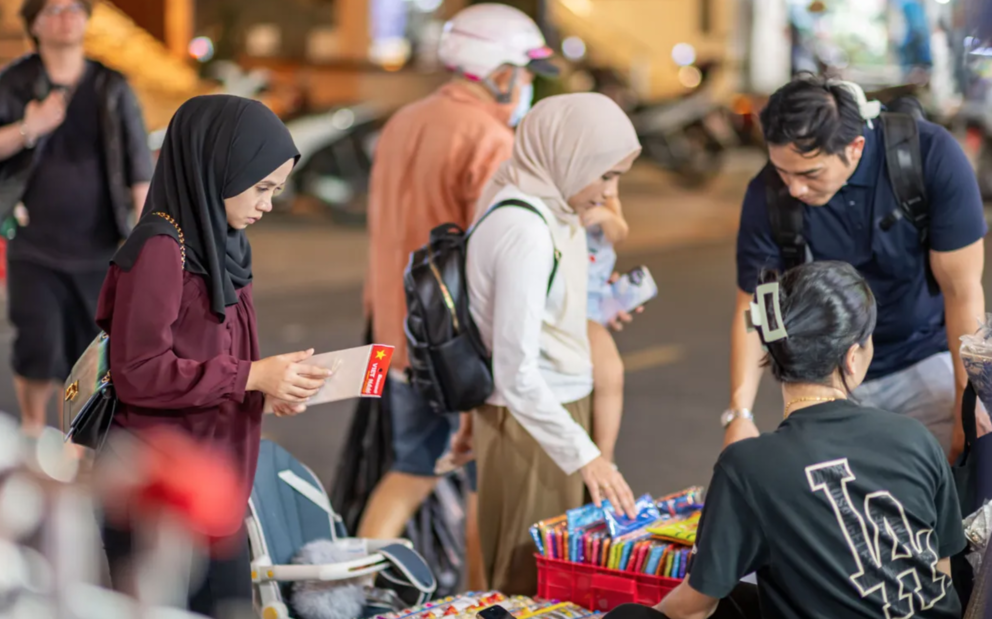
Vietnam is having a moment on the global Halal tourism map. Government ministries, provincial authorities and private operators have spent 2026 rolling out certification schemes, prayer facilities, Halal-compliant hotels and specialised food service standards.
This briefing pulls together the latest developments and translates them into what they mean for overseas agents planning Muslim-friendly itineraries in Vietnam, with highlighting the culinary side in particular, since food is consistently the first thing Halal travellers — and the partners who serve them — ask about.
1. A Market Moving From Niche to National Strategy
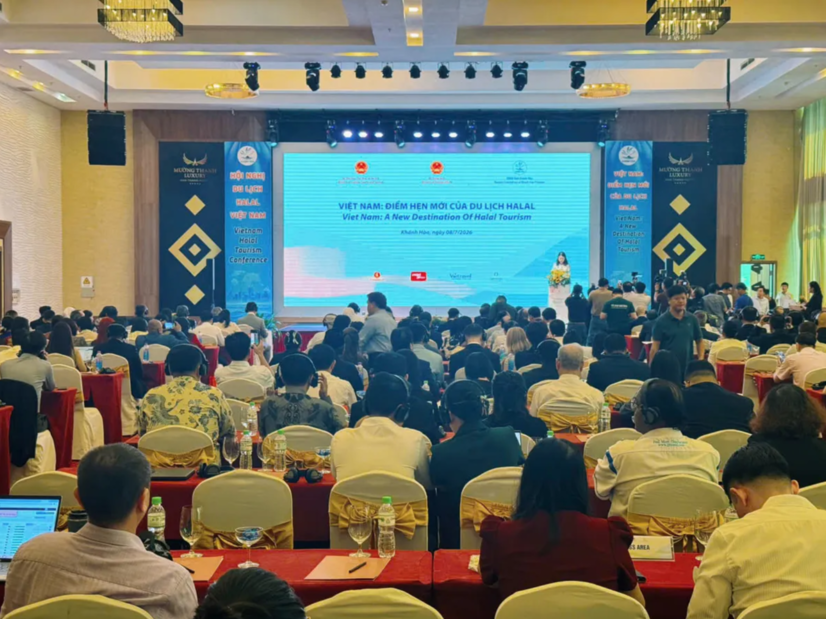
For years, Halal tourism in Vietnam existed as a handful of certified restaurants and hotels operating in isolation. That is changing quickly. At the Vietnam Halal Tourism Conference 2026, held in Khánh Hòa under the theme “Vietnam: A New Destination of Halal Tourism,” Deputy Minister of Foreign Affairs Nguyễn Minh Hằng told delegates that of the more than 21 million international arrivals Vietnam welcomed in 2025, just over 600,000 were Muslim travellers — under 3 percent of the total, despite Halal tourism being recognised as one of the fastest-growing travel segments in the world.
The scale of the opportunity is significant: more than 2 billion Muslims live across over 100 countries and territories, and demand is intensifying in the very markets Vietnam is best placed to court — Malaysia, Indonesia, Brunei, Singapore, India, the UAE, Qatar, Saudi Arabia and Kuwait among them
Officials from the Ministry of Culture, Sports and Tourism have framed Halal development as a shared task across ministries, provinces and businesses rather than a niche tourism product — improving legal frameworks, training staff, expanding certified services, and building international partnerships. According to Vietnam’s National Tourism Administration, the country has also climbed from 43rd to 25th place on the Global Muslim Travel Index between 2018 and 2026, a tangible signal that its destination image is gaining credibility with Muslim travellers even as the gap between potential and actual visitor numbers remains wide.
It is a government-backed growth priority, and the operators who build reliable Halal-friendly infrastructure into their itineraries now will be first in line as demand accelerates. An Vui Travel has been tracking this shift closely and is already building it into itinerary design for partner agencies serving Southeast Asian, South Asian and Middle Eastern source markets.
2.Building an Ecosystem, Not Just a Product
According to Vietnam’s National Tourism Administration, the country’s approach is shifting from offering isolated Halal services — a certified hotel here, a Halal restaurant there — to building a coordinated ecosystem across accommodation, food and beverage, transport, staff training and prayer facilities. The Administration has proposed an ACES framework to guide this: Access (air connectivity, visa facilitation, infrastructure), Communication (digital platforms and destination marketing to Muslim travellers), Environment (safety, cleanliness and cultural respect), and Service (standardised Halal offerings, prayer spaces and trained staff).
Ho Chi Minh City, Hanoi, Da Nang, Phu Quoc and Khánh Hòa are all being woven into this network, giving travellers multiple linked destinations within a single Halal-friendly itinerary rather than one isolated resort. By 2040, the roadmap envisions a fully developed Halal destination system meeting international standards.
As Dr. Hà Văn Siêu, Deputy Director of the Vietnam National Authority of Tourism, put it, developing Halal tourism is not just about capturing a new customer segment — it is also a chance to diversify markets, lift service quality, and project Vietnam as an open, safe destination that respects cultural and religious diversity
3. The Dishes That Will Define the Halal Guest Experience
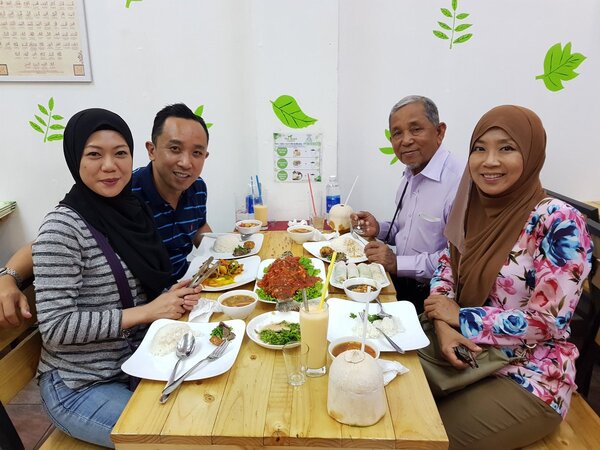
Food is where the Halal proposition is won or lost. It is the first question agents ask and the first thing guests judge on arrival. Vietnam’s culinary strengths — fresh herbs, seafood, rice, and produce-forward cooking — translate unusually well into Halal-friendly menus once sourcing, preparation and certification are handled correctly. Below is a closer look at the dishes and ingredients most relevant to Halal itinerary planning.
Naturally Halal-Friendly Vietnamese Staples
- Phở — a beef or chicken noodle soup built on a slow-simmered broth; naturally Halal-adaptable when the meat is sourced from certified suppliers and no pork-based stock or fish sauce with non-Halal additives is used.
- Gỏi cuốn (fresh spring rolls) — rice paper rolls of prawns or chicken, herbs, rice vermicelli and lettuce, typically dipped in a peanut or hoisin sauce; easy to adapt and popular with Middle Eastern and Southeast Asian Muslim travellers alike.
- Cơm tấm and grilled meats — broken rice served with grilled chicken, beef or lamb; a strong fit for Halal-certified meat programmes and a favourite among GCC visitors used to grilled proteins.
- Bánh mì — Vietnam’s iconic baguette sandwich, easily built Halal-compliant with certified chicken, beef or egg fillings in place of pork-based cold cuts.
- Fresh seafood — Vietnam’s long coastline supplies naturally Halal seafood (fish, prawns, squid, crab), a major draw for coastal itineraries in Nha Trang, Phú Quốc and Đà Nẵng.
Khánh Hòa’s Emerging Halal-Certified Specialities
- Rong nho (sea grapes) — a delicate, caviar-textured seaweed and one of Khánh Hòa’s first Halal-certified export products, already sold fresh, dehydrated and as savoury snacks.
- Yến sào (bird’s nest) and trầm hương (agarwood) — premium local products increasingly positioned for Halal-certified wellness and gifting experiences, with strong resonance in Gulf markets.
- Halal-certified goat and sheep — the centrepiece of Khánh Hòa’s 2030 development plan, expected to anchor grilled-meat and stewed-meat menus at Halal-certified restaurants and resorts as the certified supply chain scales up.
- Nha đam (aloe vera) — being developed under Halal standards for use in desserts, drinks and spa-adjacent food experiences.
What This Means for Menu and Itinerary Design
The dishes above only deliver value to Halal travellers if the surrounding infrastructure supports them: separate preparation areas, Halal-certified sourcing, staff trained in cross-contamination awareness, and clear labelling.
An Vui Travel curates its Halal-friendly food itineraries around exactly this standard — pairing certified kitchens, trained service staff and traceable sourcing with the regional dishes above, so partner agencies can present a menu story their clients can trust without doing the verification work themselves.
4. Why Partner With An Vui Travel on Halal Itineraries
- Vetted network, An Vui Travel works only with hotels, restaurants and transport partners that meet verifiable Halal standards, so your clients’ expectations are met on the ground, not just on paper.
- Regional depth from Khánh Hòa’s resort and farmstay cluster to Halal-friendly options opening in Hanoi, Ho Chi Minh City, Đà Nẵng and Phú Quốc, An Vui Travel can structure multi-city itineraries that follow Vietnam’s growing Halal destination network.
- Culinary storytelling, An Vui Travel builds food-forward itineraries around Vietnam’s Halal-adaptable staples and Khánh Hòa’s newly certified specialities, giving partner agencies a menu narrative that resonates with Muslim travellers.
- Responsive planning as certification and infrastructure expand month to month, An Vui Travel keeps partner itineraries current, saving agencies the burden of re-verifying suppliers themselves.
https://en.qdnd.vn/travel/news/vietnam-emerges-as-new-destination-for-muslim-travelers-593011
https://www.vietnam.vn/mo-canh-cua-don-thi-truong-du-lich-halal
#HalalTourism #AnVuiTravel #Food #Travel