 English
 French
 German
 Italian
 Spanish
 Portuguese
 Japanese
 Korean
 Chinese
 Arabic


Why Traditional Villages Matter for Cultural Tour Operators
For international tour operators, designing a Vietnam itinerary that stands out from competitors is becoming increasingly challenging. Famous attractions such as Ha Long Bay, Hoi An Ancient Town and Hue Imperial City remain important, but including these destinations alone does not necessarily create a distinctive travel product. One opportunity lies in the traditional villages surrounding these well-known destinations. These communities offer more than sightseeing. Travellers can meet local families, learn traditional crafts, participate in agricultural activities and discover how cultural practices remain part of everyday life.
For travel businesses, these experiences create opportunities to develop itineraries built around slow travel, cultural participation and meaningful local connections.
1. Ri Village: Turning Rural Life into a Cultural Experience
Located in the countryside near Hanoi, Ri Village offers an alternative to conventional city-based sightseeing. Rather than observing village life from a distance, visitors can participate in daily activities alongside local residents.
Experiences featured in An Vui Travel’s programme include:
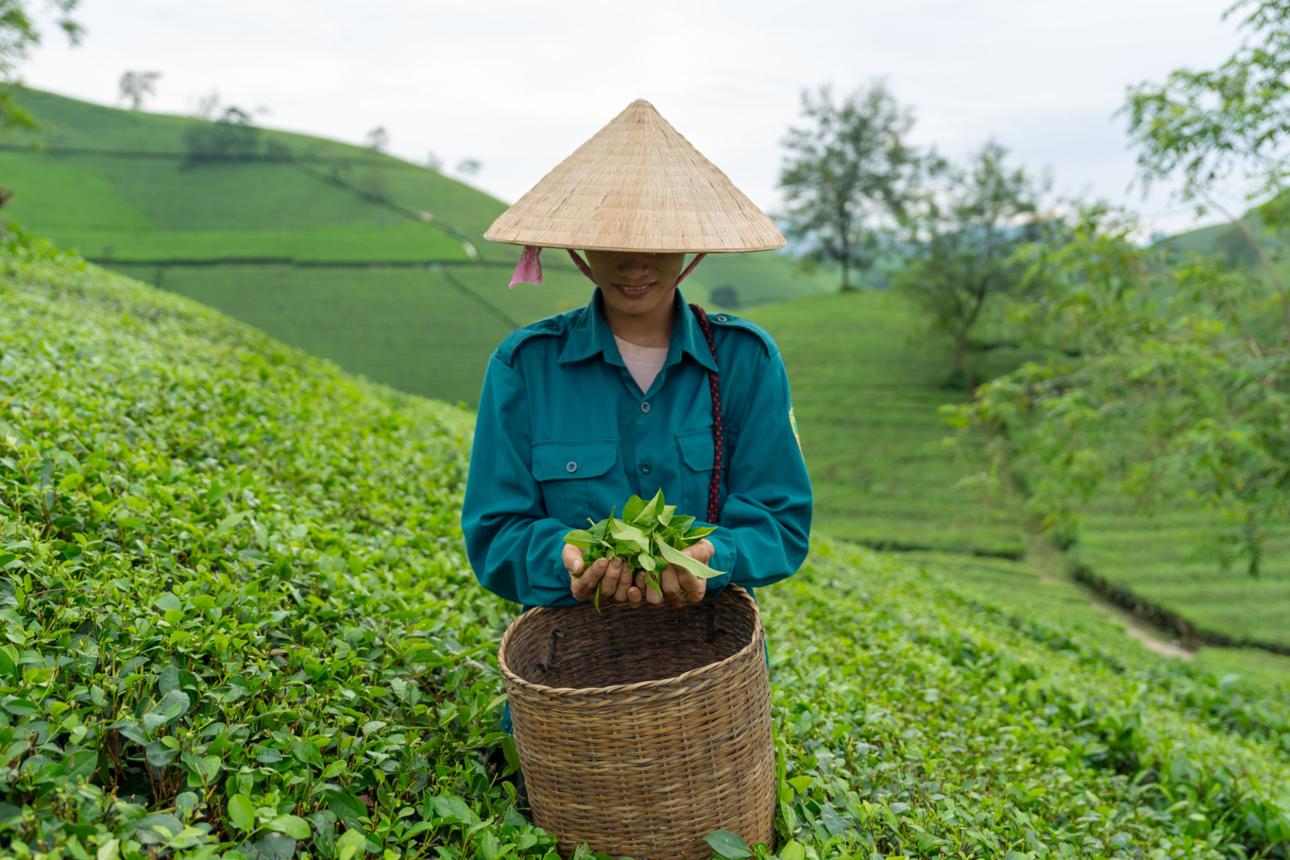
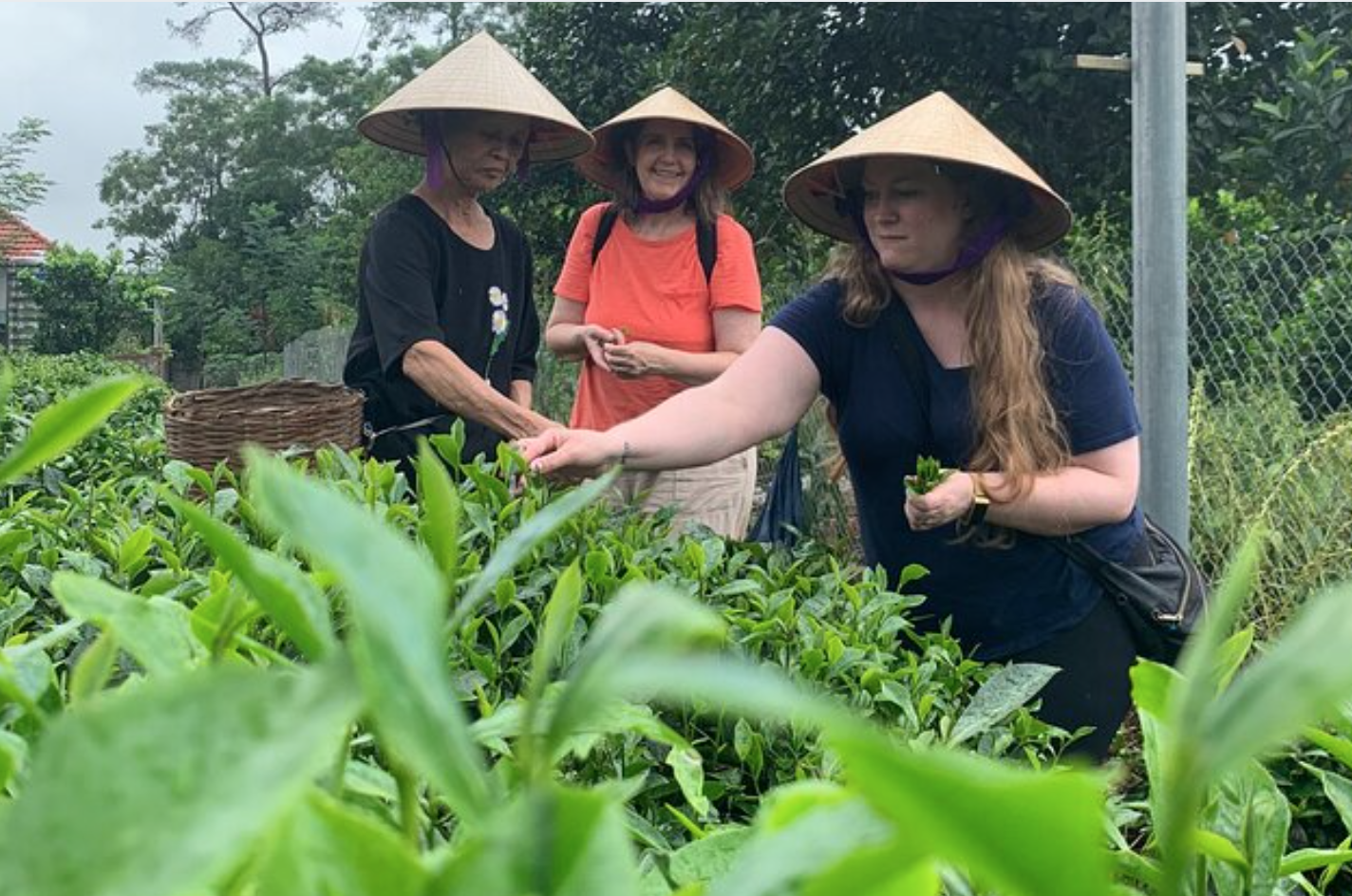
- Tea harvesting: Meet a local tea farmer, explore a traditional tea plantation and learn how leaves are harvested and processed.
- Home-style cooking: Prepare Vietnamese dishes with a local host before enjoying a shared lunch.
- Traditional workshops: Discover how tofu, conical hats and other everyday products are made.
- Countryside cycling: Explore rice fields, village lanes and the surrounding rural landscape.
- Muong herbal foot soak: Experience a traditional herbal practice after an active day.
These activities create a natural progression from learning and participation to relaxation.
What Makes Ri Village Valuable for Tour Operators?
Ri Village allows travel businesses to combine several experiences within one countryside excursion rather than arranging multiple unrelated attractions. For cultural travellers, conversations with local hosts provide personal context that conventional sightseeing may not offer. For families, cooking and tea harvesting introduce interactive learning opportunities. Operators can position this excursion as a cultural day trip from Hanoi, suitable for clients interested in rural traditions, community interaction and slower-paced travel.
2. Tra Que Vegetable Village: Making Vietnamese Food Culture More Interactive
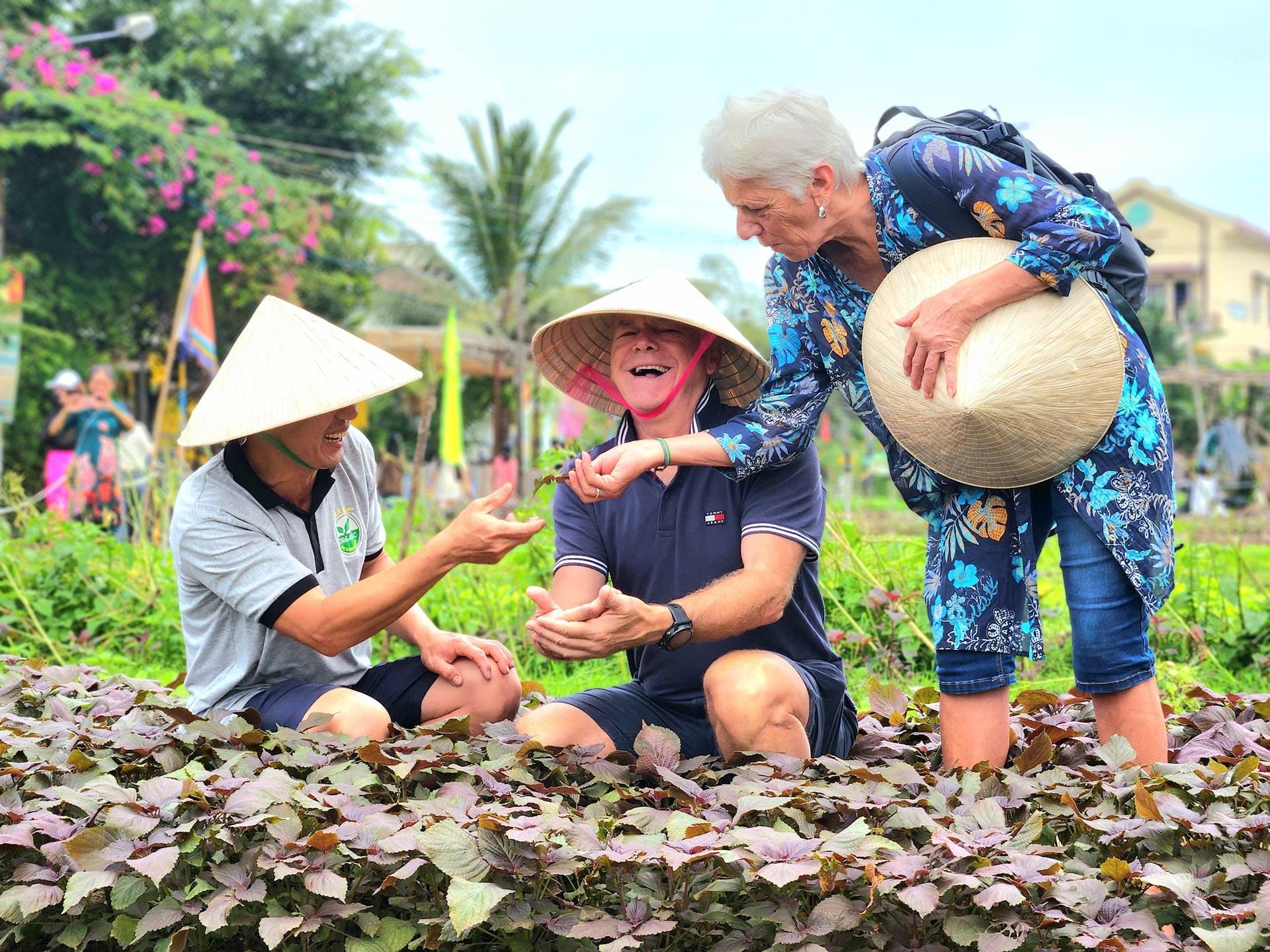
Food is an important part of Vietnam’s cultural identity. However, simply including local dishes in a tour programme does not always explain the people, agricultural practices and traditions behind them. Tra Que Vegetable Village, near Hoi An, offers an opportunity to connect culinary experiences with local farming. Visitors can walk through herb gardens, learn traditional cultivation methods, prepare the soil and participate in planting or harvesting vegetables. The experience continues with a cooking class featuring regional dishes such as Tam Huu, Cao Lau and Banh Xeo.
 How Can Tour Operators Develop This Experience?
 How Can Tour Operators Develop This Experience?
The value comes from connecting different stages of the food journey. Travellers discover where ingredients are grown, participate in agricultural activities and learn how fresh produce becomes part of local cuisine. This approach is especially relevant for culinary tour operators, family travel specialists and small-group cultural programmes. Instead of marketing another Vietnamese cooking class, businesses can offer a farm-to-table cultural experience rooted in Hoi An’s agricultural traditions.
3. Thanh Ha Pottery Village: Bringing Traditional Craftsmanship into the Itinerary
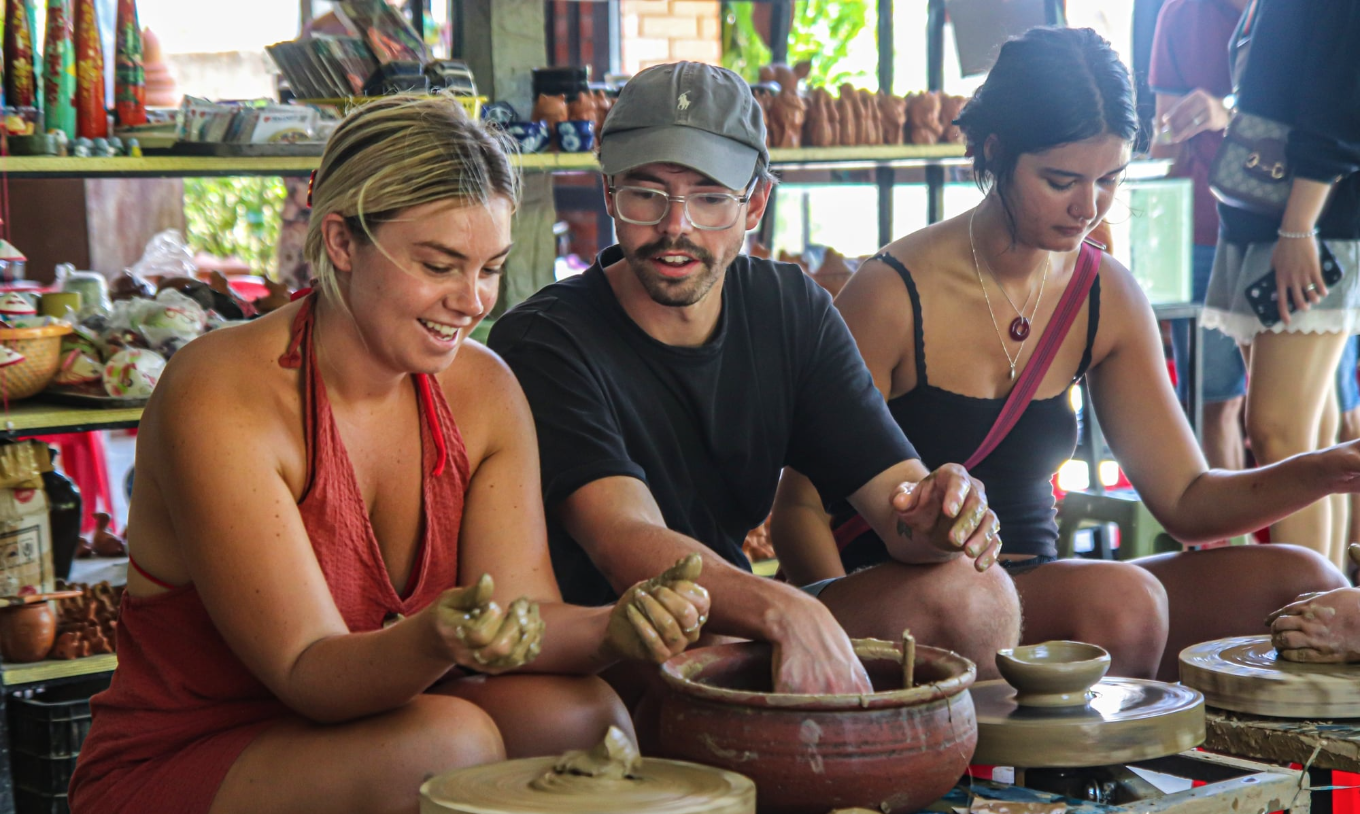
Traditional craft villages provide opportunities for travellers to understand Vietnam through the skills and knowledge passed between generations. At Thanh Ha Pottery Village, visitors can explore a community associated with traditional pottery production and observe local artisans working with clay.
The experience becomes more engaging when guests try shaping their own ceramic products with guidance from local craftspeople. For cultural operators, this provides a practical way to turn craft demonstrations into participatory experiences.
The Commercial Opportunity
Pottery-making can be positioned as a creative cultural workshop rather than a brief shopping stop.
It offers several potential advantages:
- Provides a hands-on activity suitable for different generations.
- Creates opportunities for interaction between visitors and artisans.
- Introduces travellers to local craftsmanship and heritage.
- Adds a creative component to conventional Hoi An itineraries.
Combining Thanh Ha Pottery Village with Tra Que Vegetable Village also creates an appealing full-day programme connecting agriculture, food and traditional craftsmanship.
4. Mekong Delta Villages: Discovering the Culture Behind Local Industries
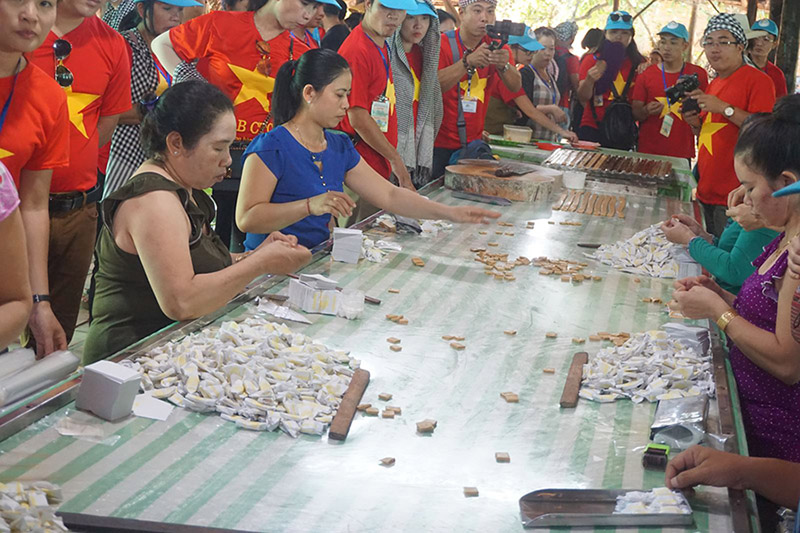
The Mekong Delta is often associated with river cruises, coconut trees and peaceful waterways. Yet its local industries offer additional opportunities for cultural product development. In Ben Tre, travellers can discover how traditional livelihoods remain connected to the river environment. An Vui Travel’s programme introduces several experiences, including visits to a traditional brick kiln, coconut-processing workshops, coconut candy production and mat weaving in Nhon Thanh Village.
Visitors can observe how coconut materials are processed, taste freshly made coconut candy and learn about handmade products used in everyday life. A journey through narrow nipa palm canals by sampan adds another perspective on the region’s river-based lifestyle.
Why Does This Work for Cultural Travel?
The Mekong Delta allows operators to connect local livelihoods, craftsmanship, food and waterways within one experience. Rather than presenting the destination solely as a scenic boat excursion, travel companies can build a stronger narrative around how communities live and work in the region. Different activity options, including walking, cycling and local motorized transport, also provide flexibility for varied traveller profiles.
5. How Can Tour Operators Turn Village Experiences into Sellable Products?
Traditional villages become commercially valuable when activities are thoughtfully integrated into an itinerary and matched with the right client segments.
For travel businesses, several product-development approaches are worth considering.
- Build thematic cultural itineraries. Instead of organizing an itinerary around destinations alone, connect experiences through themes such as Vietnamese craftsmanship, traditional food production, rural hospitality or local livelihoods.
- Create meaningful interaction. Give travellers opportunities to speak with hosts, participate in workshops and understand the cultural significance of each activity.
- Match experiences with traveller profiles. Cooking and pottery workshops can appeal to families and culturally curious travellers, while village cycling and agricultural activities may suit more active clients. Walking alternatives can help accommodate different mobility levels.
- Balance iconic destinations with local experiences. Ha Long Bay, Hue and Hoi An remain important attractions, but traditional village visits can complement them with experiences that are less focused on sightseeing.
- Support stronger storytelling in sales materials. Describing a day spent harvesting tea with a local farmer or preparing food with a village family can communicate the character of a journey more effectively than a generic sightseeing description.
Successful product development also requires attention to group size, local host capacity, seasonality, accessibility, fair compensation and the authenticity of the activities being offered.
Make Local Culture a Reason to Travel
Vietnam’s traditional villages offer more than additional stops on a sightseeing route. They provide opportunities to build itineraries around people, traditions, craftsmanship and daily life. By integrating village experiences with established destinations, cultural tour operators can create programmes that offer stronger storytelling, greater product differentiation and more meaningful traveller participation.
#VietnamCulturalTourism #TraditionalVillages #SlowTravelVietnam #TravelTrade #anvuitravel