 English
  French
  German
  Italian
  Spanish
  Portuguese
  Japanese
  Korean
  Chinese
  Arabic
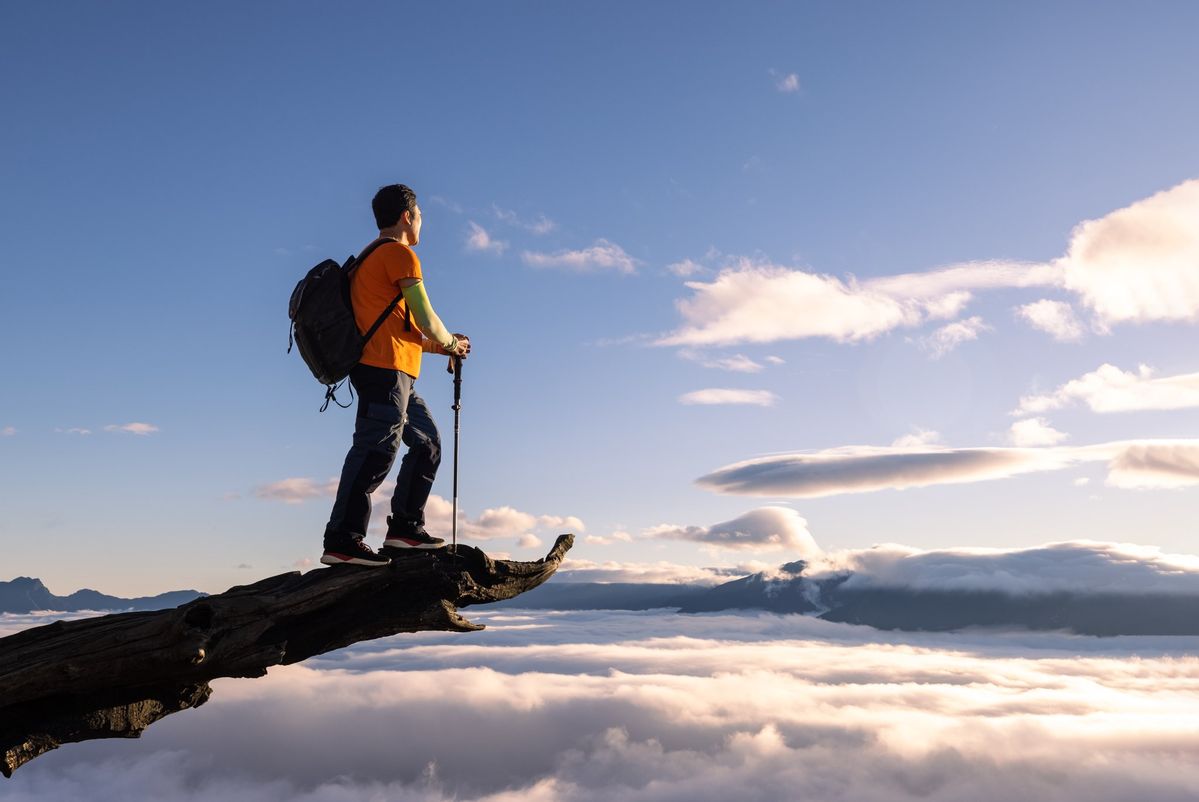
For decades, the north’s mountain provinces were a footnote on most itineraries, a two-day detour for the unusually adventurous. That has changed. Five specific routes have emerged as the backbone of this product category, each with a distinct profile of difficulty, distance, and cultural texture. Understanding what sets them apart is the first step to positioning them correctly for different client segments and to unlocking the upsell opportunities layered underneath.
What Makes Each of the Five Routes Different
Ta Xua (Yen Bai–Son La border)
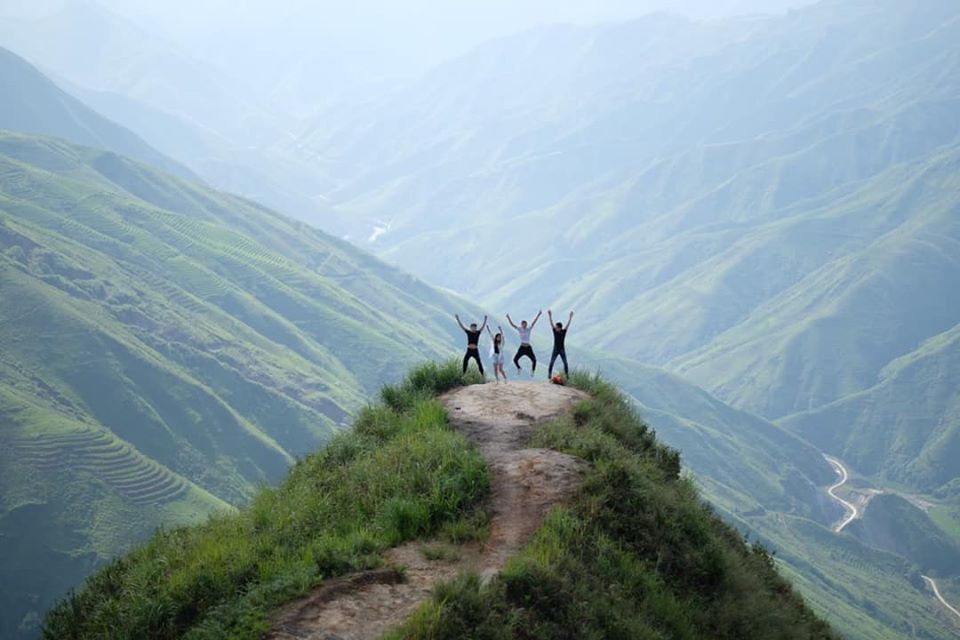
Ranked the 10th-highest peak in the country, Ta Xua has built its reputation on drama rather than altitude alone winding, exposed routes that locals openly call “a great challenge,” rewarded by close-up views of cloud banks pouring through the valleys below. It has become one of the most searched trekking spots among domestic Vietnamese travelers in recent years, a signal that it photographs exceptionally well and travels fast on social media. December to March is peak cloud season ideal for a short, high-impact 2-day product that pairs naturally with a Hanoi stopover.
Fansipan (Sapa, Lao Cai)
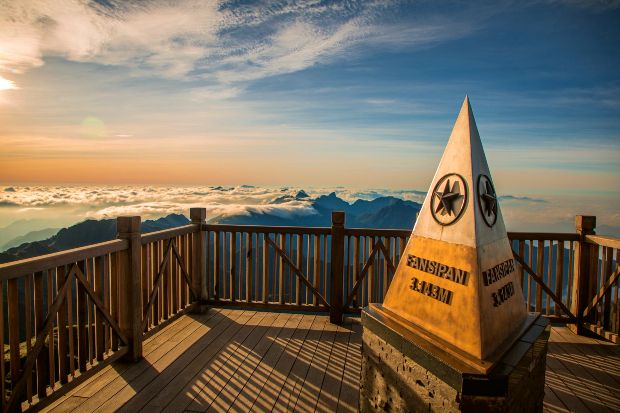
At 3,143 meters, this is Vietnam’s and Indochina’s highest point, yet it is only 9 km from the tourist town of Sapa. That proximity is the commercial advantage: agencies can sell two very different experiences off the same mountain. A two-day trek satisfies the serious hiker, while a 20-minute cable car to the summit station opens the same view to clients who want the bragging rights without the physical demand. Few destinations in the portfolio offer this kind of built-in tiering for both budget and effort level.
Bach Moc Luong Tu (Lai Chau–Lao Cai border)
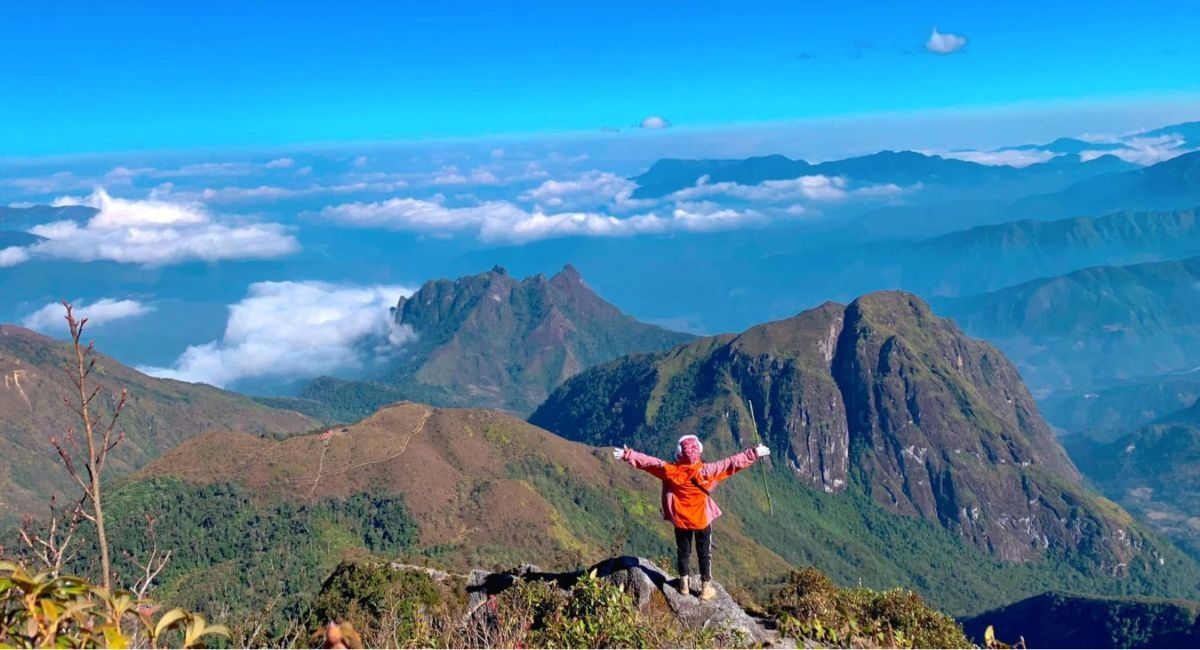
The fourth-highest mountain in Vietnam at 3,046 meters, and by most accounts the toughest of the five a 30-km forest route across bare hills, bamboo forest, and sheer rock face. Only opened to trekkers around 2012, it still carries a “discovery” narrative that resonates strongly with repeat adventure clients looking for something beyond the well-trodden Fansipan trail. This is the route to position for experienced, multi-day trekking groups rather than first-timers.
Y Ty (Bat Xat District, Lao Cai)
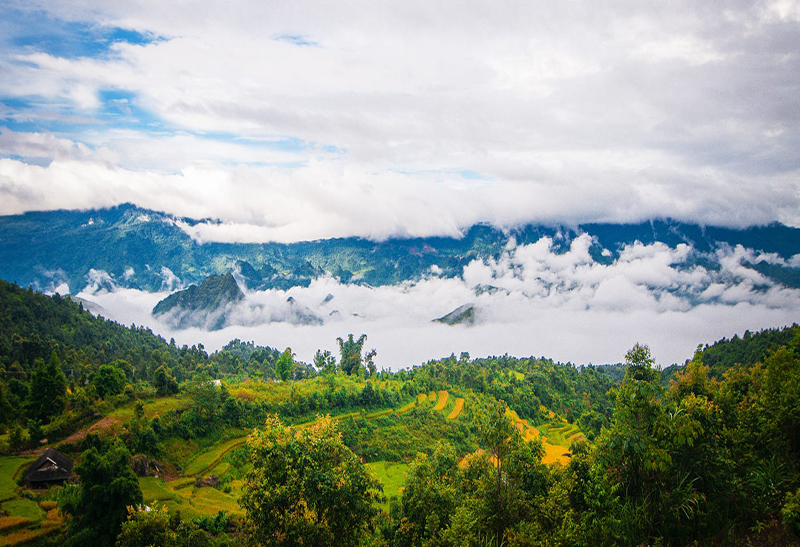
Unlike the first three, Y Ty isn’t sold on summit-conquering, it’s sold on atmosphere. Known locally as “the land of fog” for cloud cover that lingers nearly year-round, its appeal lies in winding roads, terraced valleys, and the everyday life of the ethnic communities who live there. This makes Y Ty a strong fit for photography-focused travelers, slower-paced senior groups, or as a scenic add-on to a Sapa itinerary rather than a standalone physical challenge.
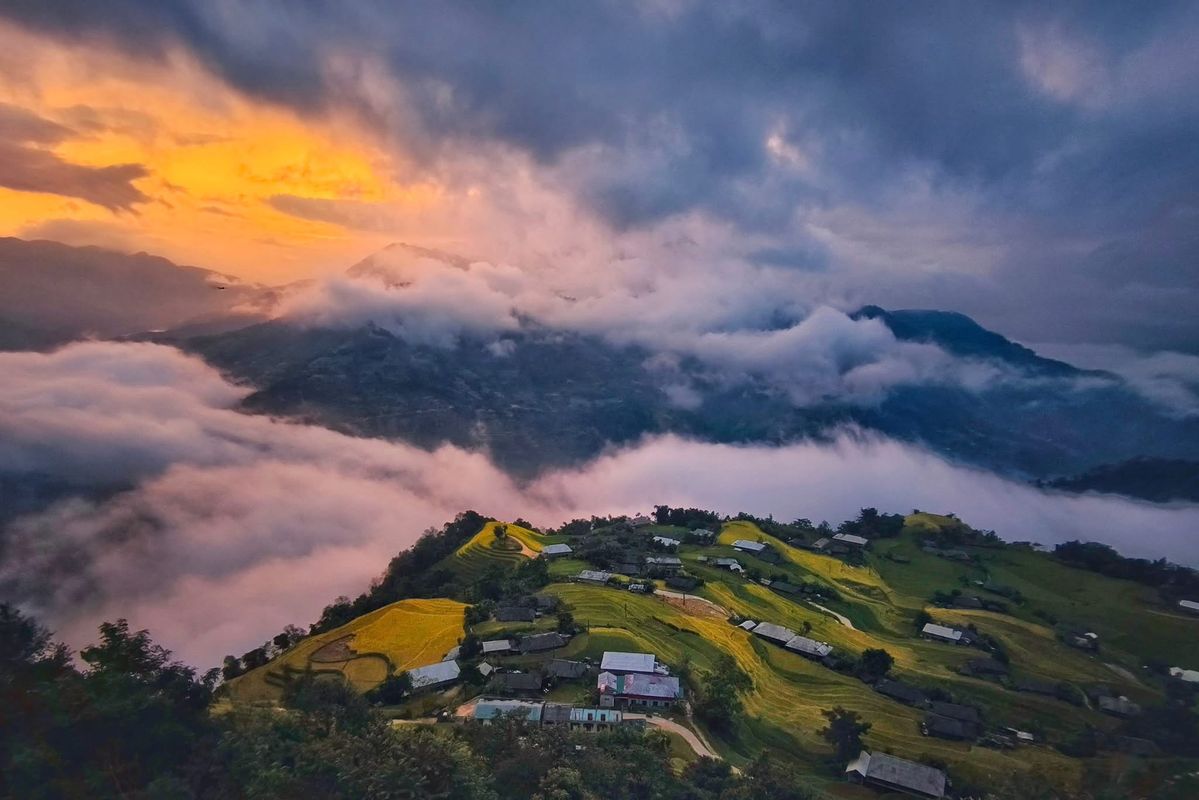
Sin Ho (Sin Ho Plateau, Lai Chau, 430 km north of Hanoi). The most remote of the five, and arguably the most culturally immersive. Its Sunday market draws waves of ethnic families arriving by foot, horse, and motorbike loaded with farm produce, a scene that gives clients an authentic, unstaged encounter that no curated cultural show can replicate. For agencies, Sin Ho is the natural anchor for a “deep highlands” itinerary aimed at clients who have already done Sapa and want to go further off the map.
Sources:
Why “Cloud Hunting” Is Outpacing Generic Sightseeing
Adventure and nature tourism has quietly become the growth engine of Vietnam’s post-pandemic travel recovery. Where clients once asked for a week of temples and beaches, a growing share of European, Australian, and North American travelers are now searching for altitude, exertion, and a story to bring home and the five routes above sit squarely at the center of that demand curve.
What makes this segment attractive from a distribution standpoint is seasonality discipline. The cloud season in Ta Xua and its neighbors runs reliably from December to March precisely the shoulder period when beach and city itineraries slow down. For an agency, that means a second high-demand window layered on top of the traditional peak season, filling calendar gaps that would otherwise sit empty. Search interest for “Vietnam trekking tour” and “Sapa cloud hunting” has shown consistent double-digit year-on-year growth in outbound markets over the past three seasons, a signal that content discovery is translating into booking intent, not just casual browsing. 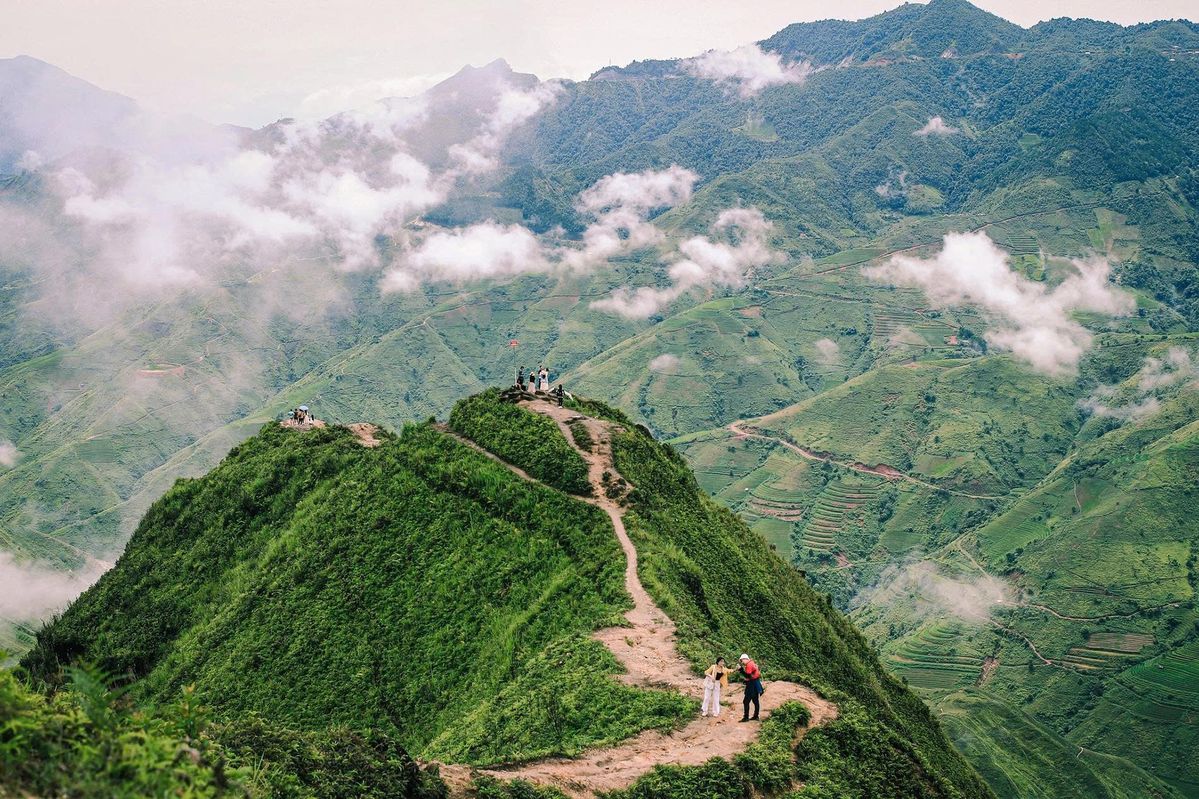
Why Partner Agencies Should Add This Product Line
The economics make the case on their own: porters, homestays, permits, and private transfer bundle naturally into a trekking itinerary, lifting the average basket well above a standard city tour, and rarely does a client book just one mountain a Fansipan trek is as much a lead-in to Sapa homestays, Bac Ha market extensions, or a Ha Giang loop as it is a standalone sale.
Beyond the numbers, this is a product that markets itself forward: the ocean-of-clouds shot is inherently shareable, turning happy trekkers into free advertising for your agency, while the judgment calls behind each trip which route suits which client, how the weather is shaping up, which homestay still has room are exactly the kind of expertise a search engine can’t offer, and exactly what turns a one-time booking into a client who calls you first next time.
As a direct local operator – not a reseller – An Vui Travel controls the full chain: guides, homestays, permits, and transport across Yen Bai, Son La, Lao Cai, and Lai Chau provinces. That means faster confirmations, fewer intermediary markups, and pricing your agency can compete on. Our ground teams hold on-the-ground expertise in each of these five regions, from reading weather windows for cloud visibility to managing altitude and terrain risk on routes like Bach Moc Luong Tu, rated among the hardest treks in the country. And because trekking logistics can shift quickly with weather and terrain conditions, we provide 24/7 partner support, so your team is never left without a real-time answer when a client is mid-itinerary.
Somewhere between Ta Xua’s exposed ridgelines and Sin Ho’s Sunday market, there’s an itinerary that fits almost any traveler your agency serves, and a season, from December through March, when that itinerary sells itself; if you’d like to see how these five routes could fit your upcoming season — pricing, timing, or which mountain suits which client — our partnership desk is one message away on WhatsApp, or we can send over the full brochure for your team to look through at your own pace.
#AnVuiTravel #VietnamTrekking #B2BTravel #TravelAgencyPartner #CloudHuntingVietnam #SapaFansipan #VietnamAdventureTravel #DMCVietnam